Heart & Circulation
Shop By Health Concern
Heart & Circulation
Cardiovascular support divides into a few clear jobs: supplying the heart muscle with what it burns, keeping blood moving well, and supporting healthy lipid and homocysteine handling.
- CoQ10 & ubiquinol
- Circulation support
- Lipid metabolism
- Homocysteine & methylation
Four jobs, four different shelves
Knowing which job you are trying to do makes this category far easier to navigate.
Fuel
Heart muscle energy
Cardiac tissue carries among the highest CoQ10 concentrations in the body because it never rests. Statin medications are known to lower circulating CoQ10, which is why supplementation is a common conversation for people taking them.
Flow
Circulation and viscosity
Nattokinase, garlic and salvia are used to support healthy blood flow and viscosity. Anyone on anticoagulant medication should treat this shelf as a conversation with their provider rather than a self-directed choice.
Chemistry
Lipids and homocysteine
Methylation nutrients — TMG, active folate, methylcobalamin, B6 — support the conversion of homocysteine to methionine. Gugulipid, policosanol and tocotrienols address lipid metabolism from a different angle.
Minerals the heart runs on
Magnesium and potassium
Both participate in the electrical activity that governs a steady rhythm and in the muscle relaxation phase of each beat. Magnesium is also commonly low in ordinary diets, which is why it appears across so many categories in this store.
Taurine
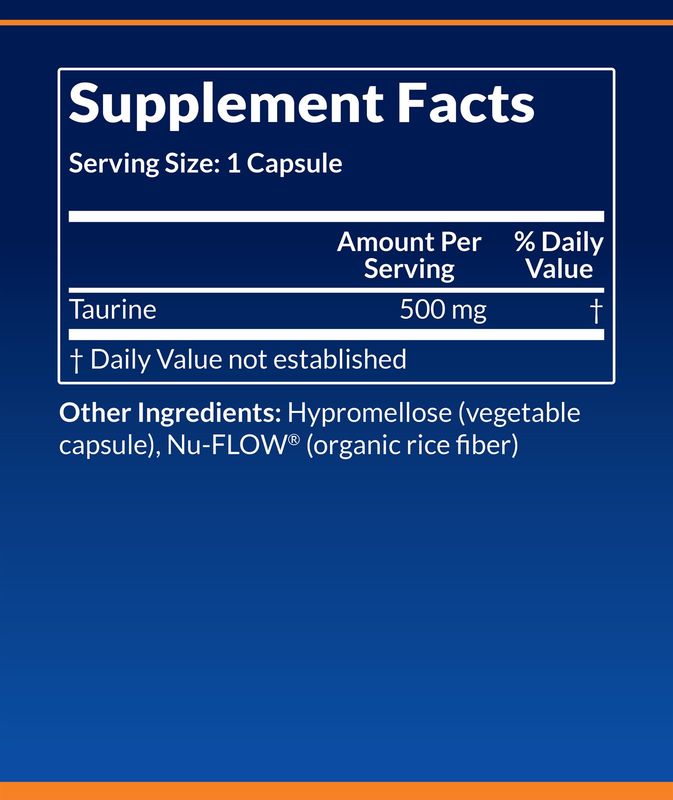
Taurine is concentrated in heart muscle and acts as a calming neurotransmitter elsewhere. It is found mainly in animal foods, so people eating little or no meat are the most likely to be running short.
Where the mineral picture fits
Magnesium is what keeps calcium in solution. When that relationship drifts far out of balance, calcium becomes more inclined to precipitate in soft tissue rather than staying where it belongs — a mechanism that makes the calcium to magnesium relationship worth watching rather than the calcium level alone.
Toxic element exposure belongs in this conversation too. Cadmium and lead compete with the nutrient minerals that occupy the same sites, and a hair tissue mineral analysis shows both alongside each other.
Please read this one. Cardiovascular concerns warrant medical care, and several products here interact meaningfully with prescribed medication — particularly anticoagulants and statins. Bring the specific formulas to the provider managing your prescriptions so they can advise on timing and suitability. Blood work and hair tissue mineral analysis both contribute useful and different information.
The mineral I check before anything on this shelf — Eileen Durfee
People arrive at this category thinking about cholesterol. I start somewhere less expected: the calcium to magnesium relationship, because it governs whether calcium stays dissolved or starts settling into tissue where it is not wanted.
Magnesium is what holds calcium in solution. When the ratio drifts well outside its ideal range — roughly 6.67 to 1 in this framework — the tendency toward precipitation rises. That is a mechanism worth understanding before adding more calcium to the picture, which is what a lot of people do by default.
The second thing I look at is whether the sodium/potassium ratio has inverted, because chronic stress physiology and cardiovascular chemistry are not separate stories. Prolonged demand further depletes magnesium and potassium specifically, and those are the minerals the heart depends on for steady electrical activity.
To be plain about scope: none of this substitutes for cardiac care. What a mineral chart adds is the nutritional layer underneath — the part your cardiologist is not measuring and would generally be glad to have addressed.
Where to start
Progressive Laboratories Co-Enzyme Q10 (60 Tablets)CoQ10 100mg with vitamin E for cardiovascular health and cellular energy.
Arthur Andrew Medical - Nattovena 4,000 FU/cap, 180 CapsulesNattokinase at 4,000 fibrinolytic units per capsule for circulatory support. Endo-met Taurine (180 Capsules)Taurine, concentrated in heart muscle and acting as a calming neurotransmitter. Endo-met Magnesium (180 Tablets)Magnesium as hydrolyzed rice protein chelate for muscle, nerve and cardiovascular function. Progressive Laboratories Garlic (100 Capsules)Aged garlic extract for cardiovascular circulation and immune support. Dragon Herbs Salvia (100 Capsules)Red salvia root, Dan Shen, traditionally used for blood circulation and microcirculation.
Common questions
I take a statin. Should I add CoQ10?
Statins are known to lower circulating CoQ10, and supplementation is a common practice for that reason. Because it concerns a prescribed medication, raise it with the provider who prescribed the statin rather than deciding independently.
Is nattokinase safe with blood thinners?
This is exactly the combination to clear with your provider first. Nattokinase is a fibrinolytic enzyme and anticoagulant medication works on related pathways, so the two should not be combined without medical guidance.
Why do methylation nutrients appear in a heart category?
Because TMG, active folate and methylcobalamin support the conversion of homocysteine to methionine, and homocysteine handling is part of the cardiovascular picture. Methylation Support covers those formulas in more depth.
Why is taurine here rather than under sleep?
It belongs in both. Taurine is concentrated in heart muscle and also acts as a calming neurotransmitter. It appears here for the cardiac role and shows up in calming contexts for the other.
Can supplements replace cardiac care?
No, and nothing here should be read that way. These formulas address the nutritional layer alongside medical care. Your provider can help you fit them into what you are already doing.
The layer your cardiologist is not measuring
Mineral status and toxic element exposure sit underneath cardiovascular chemistry, and standard cardiac panels do not capture them. A hair tissue mineral analysis does, and it complements rather than replaces your medical care.
These statements have not been evaluated by the Food and Drug Administration. These products are not intended to diagnose, treat, cure, or prevent any disease. Wellness Shopping Online is operated by Nuco Enterprise Solutions LLC. Your healthcare provider can help you shape a program that fits your individual situation.
التحسين حسب
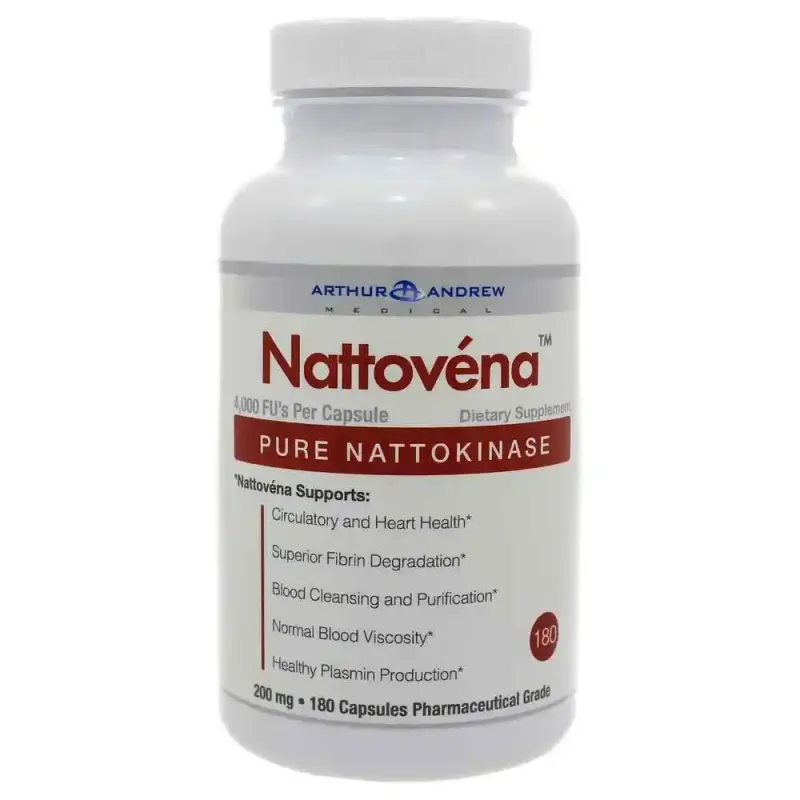
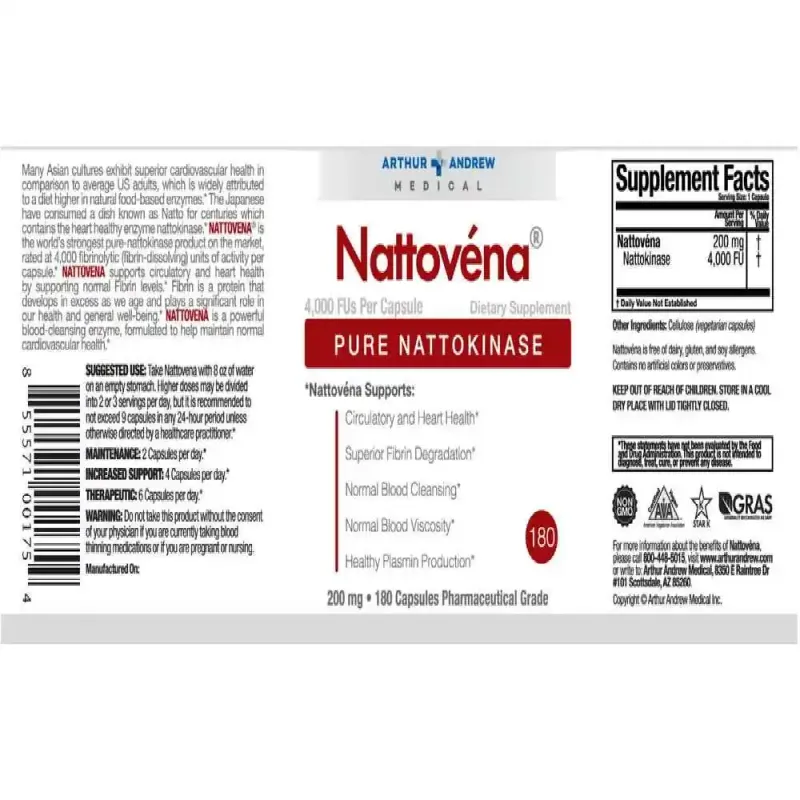
Arthur Andrew Medical - Nattovena 4,000 FU/cap, 180 Capsules
Arthur Andrew Medical - Nattovena 4,000 FU/cap, 180 Capsules
NATTOVENA® provides broad support for overall health by promoting balanced blood viscosity and fibrin levels.
SKU 2262
$64.99
Adaptogen
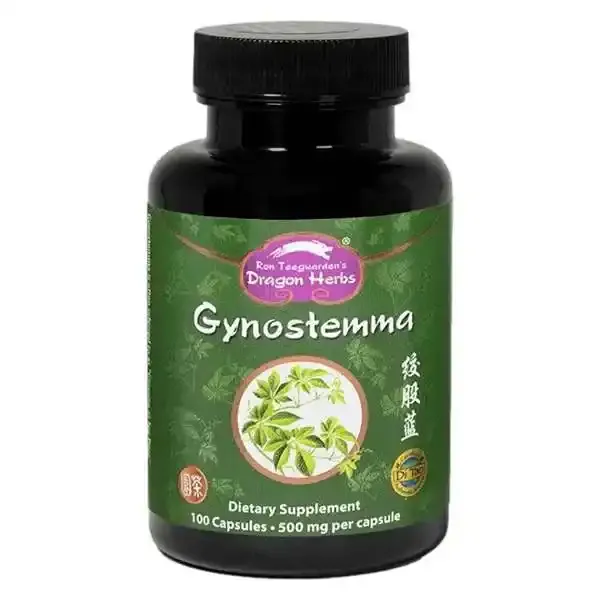
Dragon Herbs Gynostemma (100 Capsules)
Dragon Herbs Gynostemma (100 Capsules)
Premium Adaptogenic Gynostemma Capsules – Stress Resilience & Vitality Support
SKU 1977
$25.00
Blood Tonic
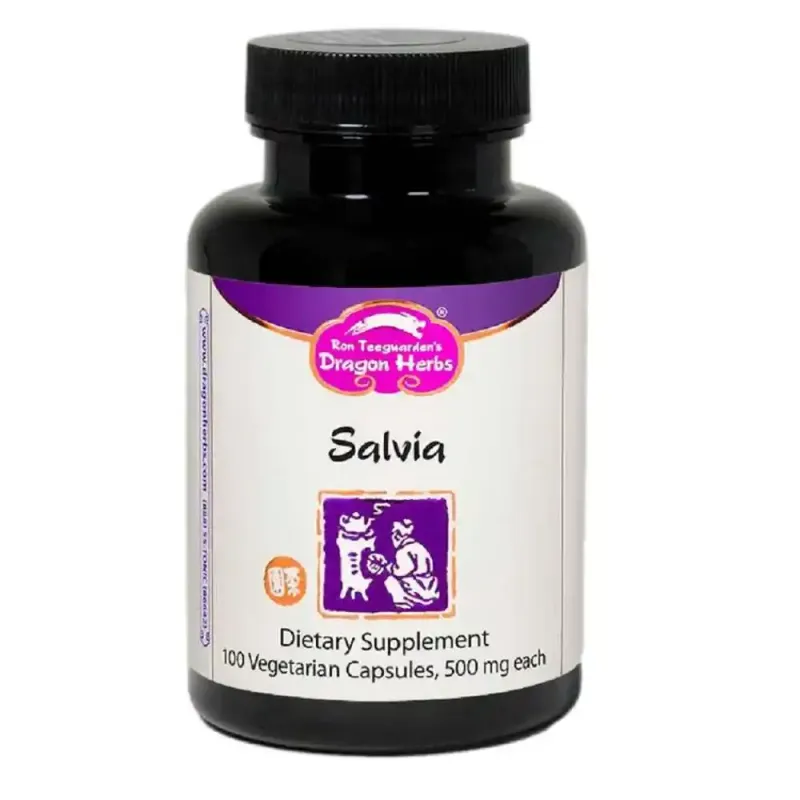
Dragon Herbs Salvia (100 Capsules)
Dragon Herbs Salvia (100 Capsules)
Supporting heart and vascular health, promoting blood circulation and microcirculation
SKU 2188
$23.00
Blood Tonic
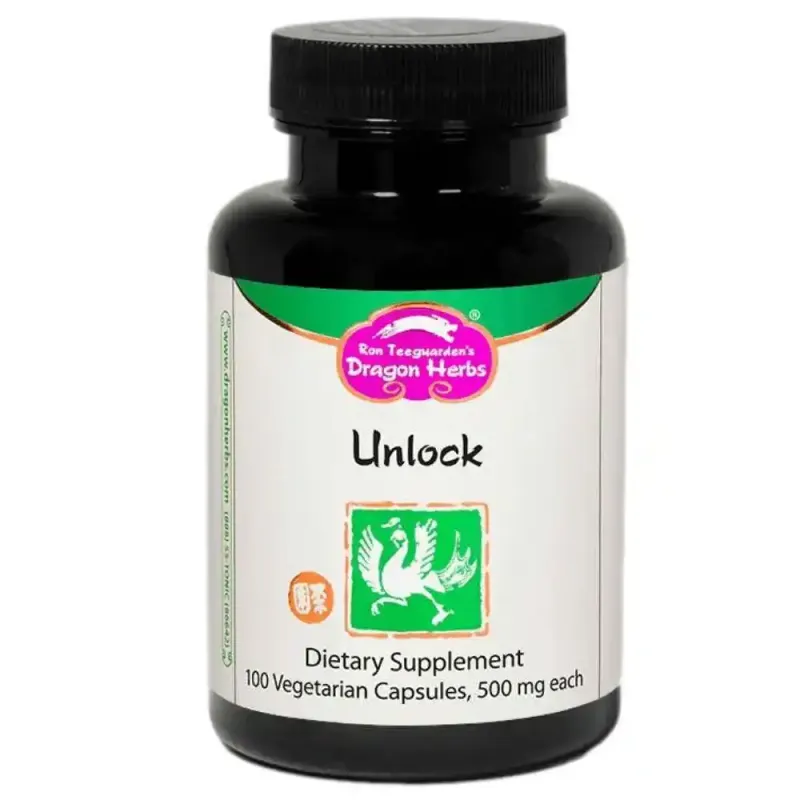
Dragon Herbs Unlock (100 Capsules)
Dragon Herbs Unlock (100 Capsules)
Support Pelvic Health, Relaxation, and Overall Vitality with a Time-Tested Herbal Formula
SKU 2179
$29.00
All Oxidation Types
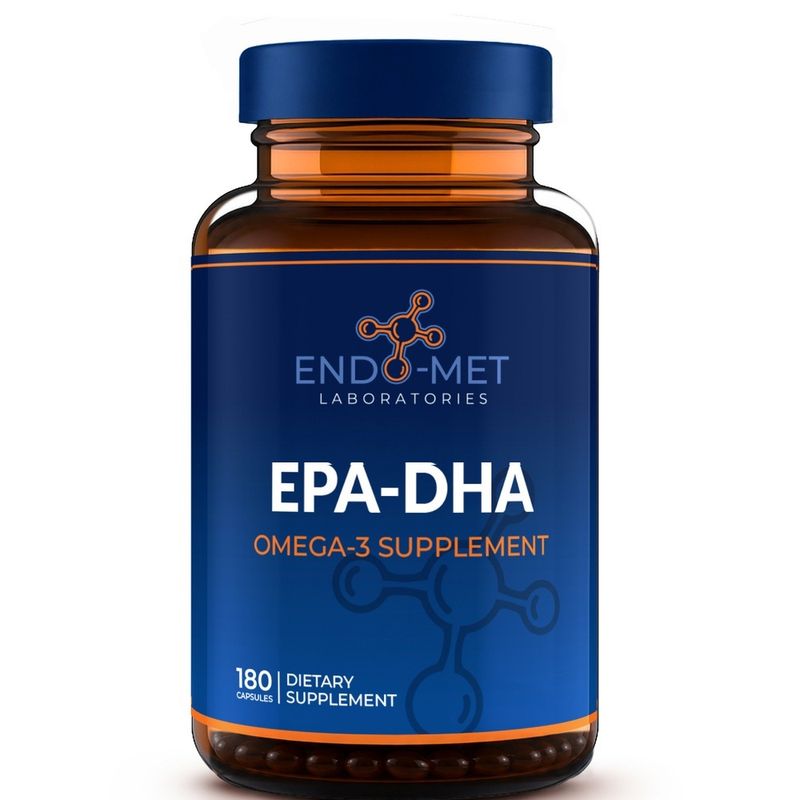
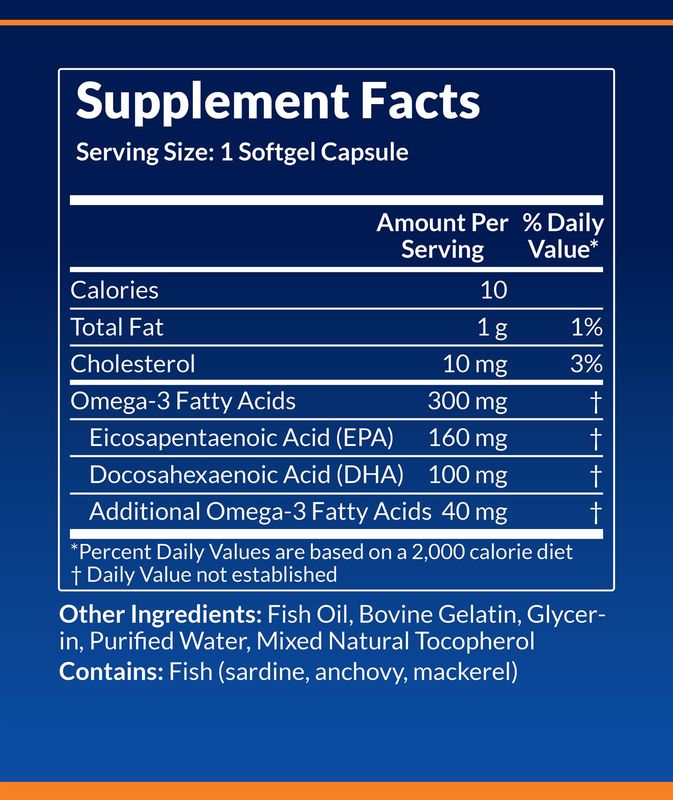
(معامل إندوميت-أوميجا 3 (180 كبسولة
(معامل إندوميت-أوميجا 3 (180 كبسولة
Extended Omega-3 Supply for Heart, Brain, and Joint Wellness
SKU 1468
$55.00
All Oxidation Types
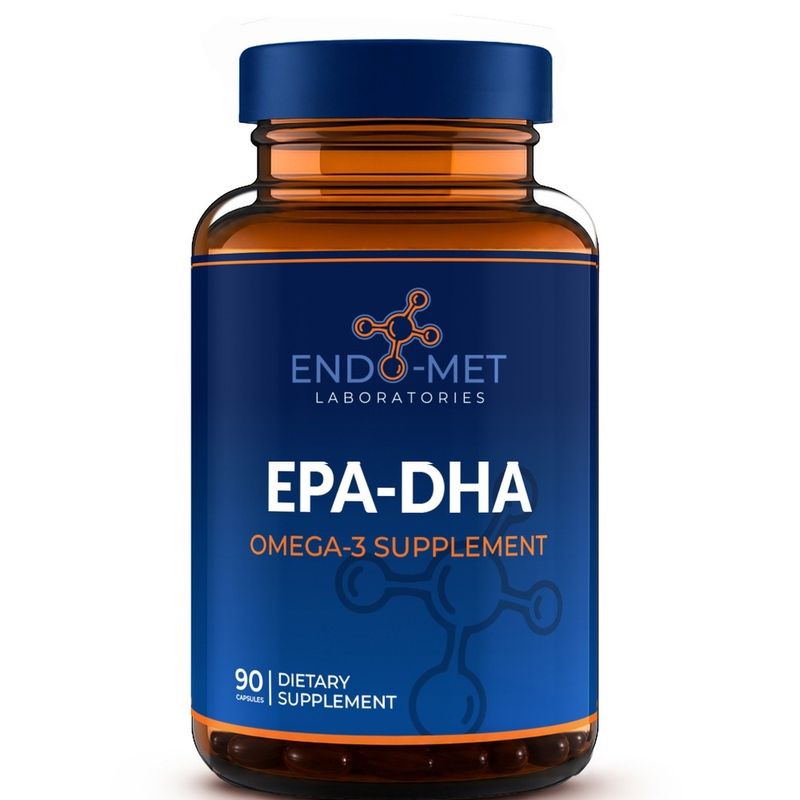
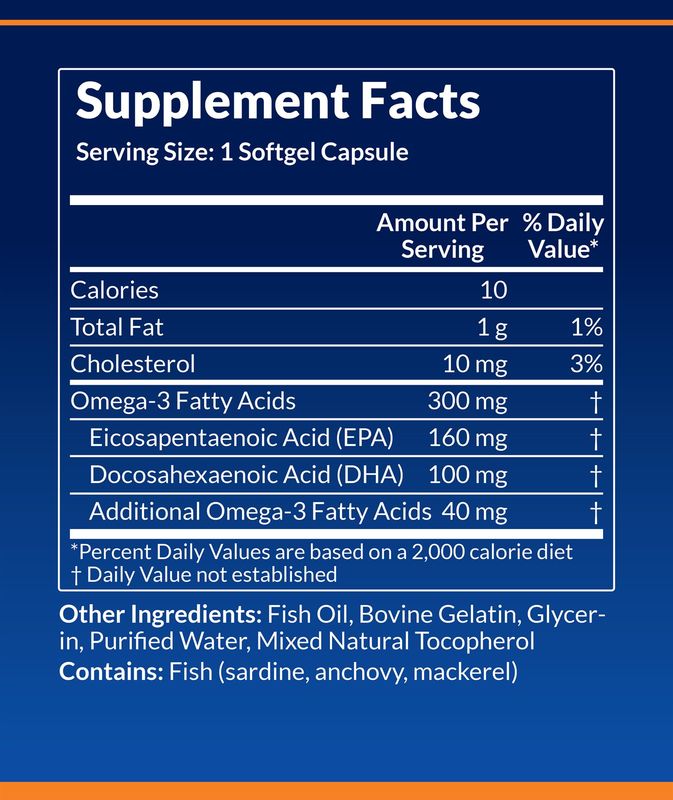
(معامل إندوميت-أوميجا 3 (90 كبسولة
(معامل إندوميت-أوميجا 3 (90 كبسولة
Omega-3-Rich Softgels for Essential Heart, Brain, and Joint Support
SKU 1084
$28.00
Fast Oxidizer
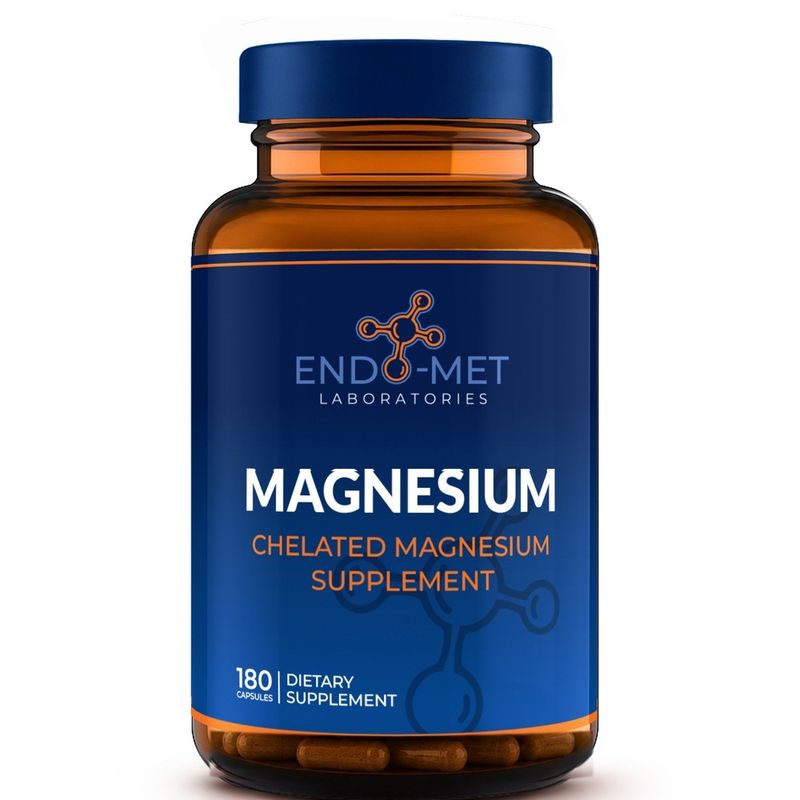
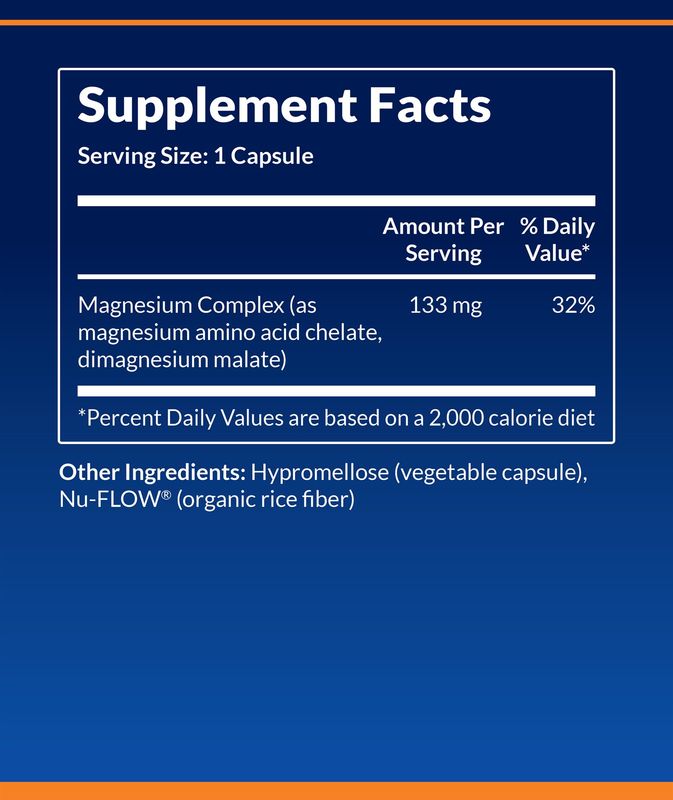
(معامل إندوميت-تركيبة الماغنيسيوم (180 قرص
(معامل إندوميت-تركيبة الماغنيسيوم (180 قرص
Optimize Your Health – Essential Support for Muscle Function, Energy, and Detoxification
SKU 1104
$25.00
Fast Oxidizer
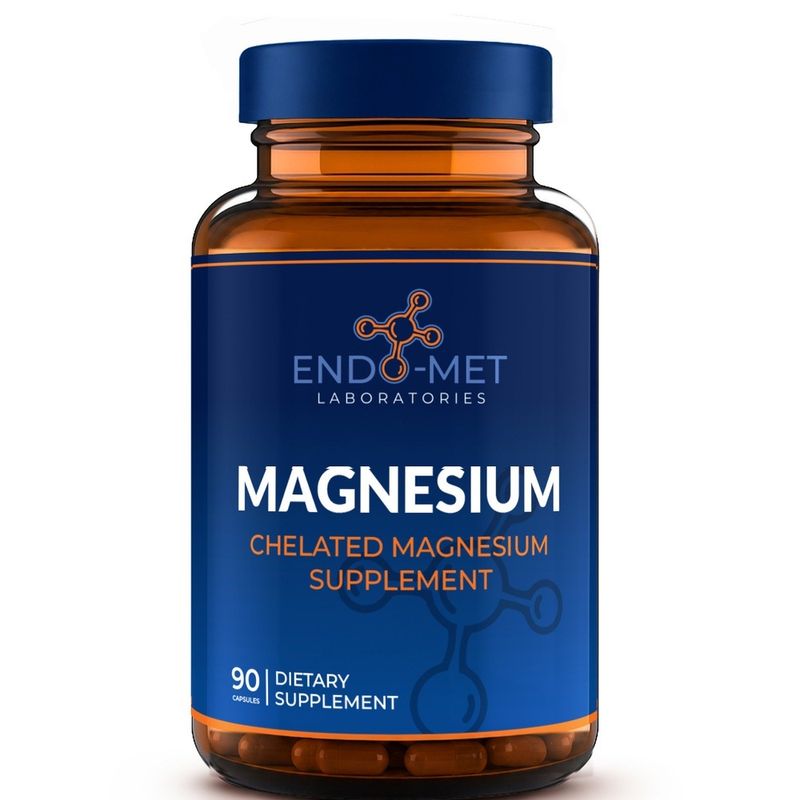
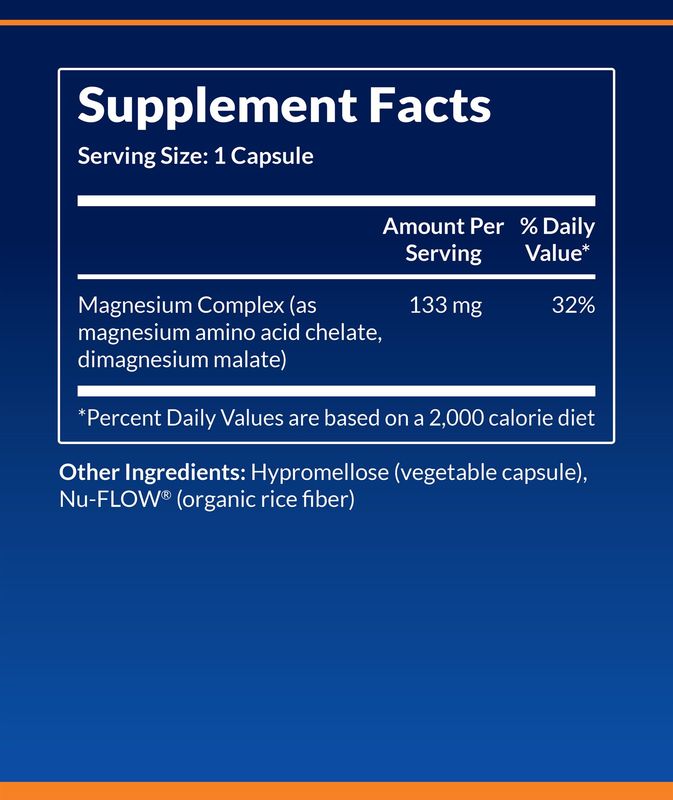
(معامل إندوميت-تركيبة الماغنيسيوم (90 قرص
(معامل إندوميت-تركيبة الماغنيسيوم (90 قرص
Daily Support for Muscle Relaxation, Energy, and Overall Wellness
SKU 1103
$13.00
All Oxidation Types
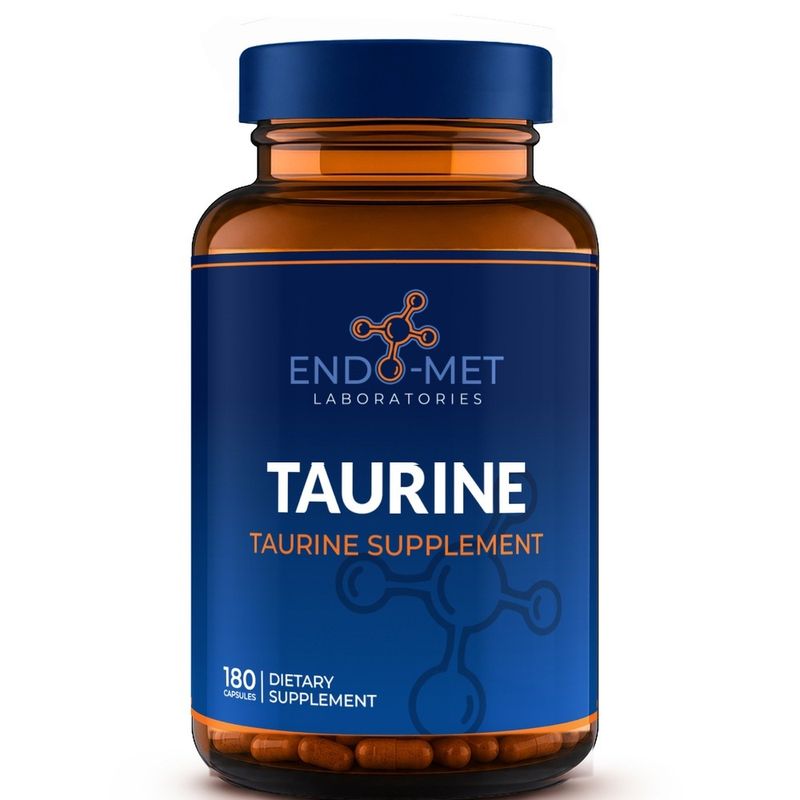
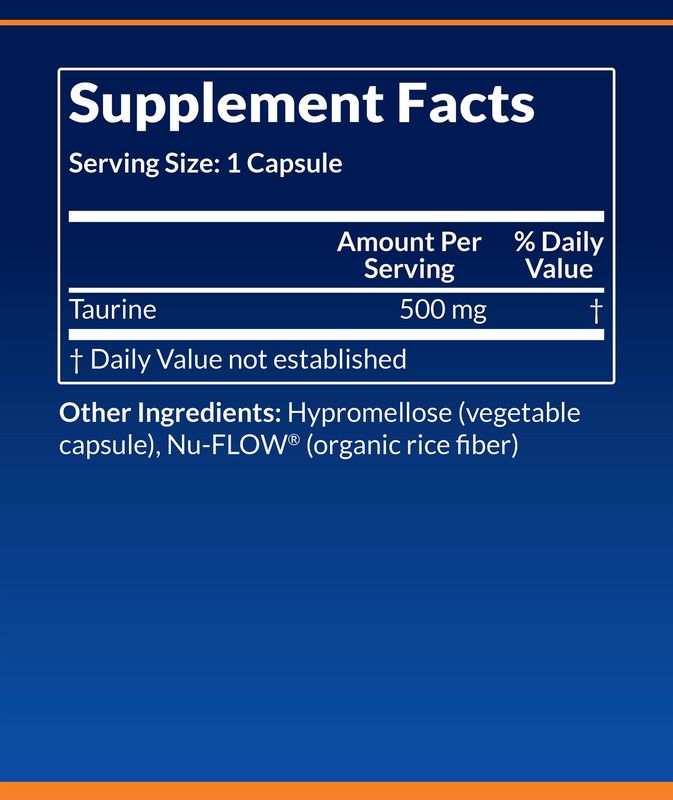
(معامل إندوميت-تركيبة التورين (180 كبسولة
(معامل إندوميت-تركيبة التورين (180 كبسولة
Extended-Release Amino Acid Support for Heart and Fat Digestion
SKU 1074
$55.00
All Oxidation Types
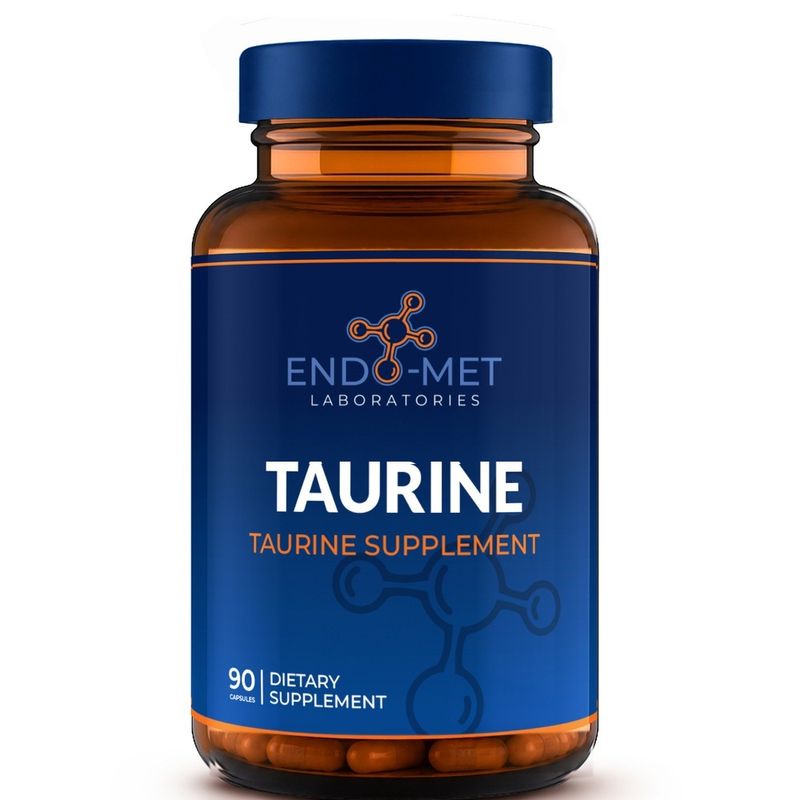
(معامل إندوميت-تركيبة التورين (90 كبسولة
(معامل إندوميت-تركيبة التورين (90 كبسولة
Amino Acid Support for Heart Health and Fat Digestion
SKU 1073
$28.00
Olivie Plus 30X
Olivie Plus 30X
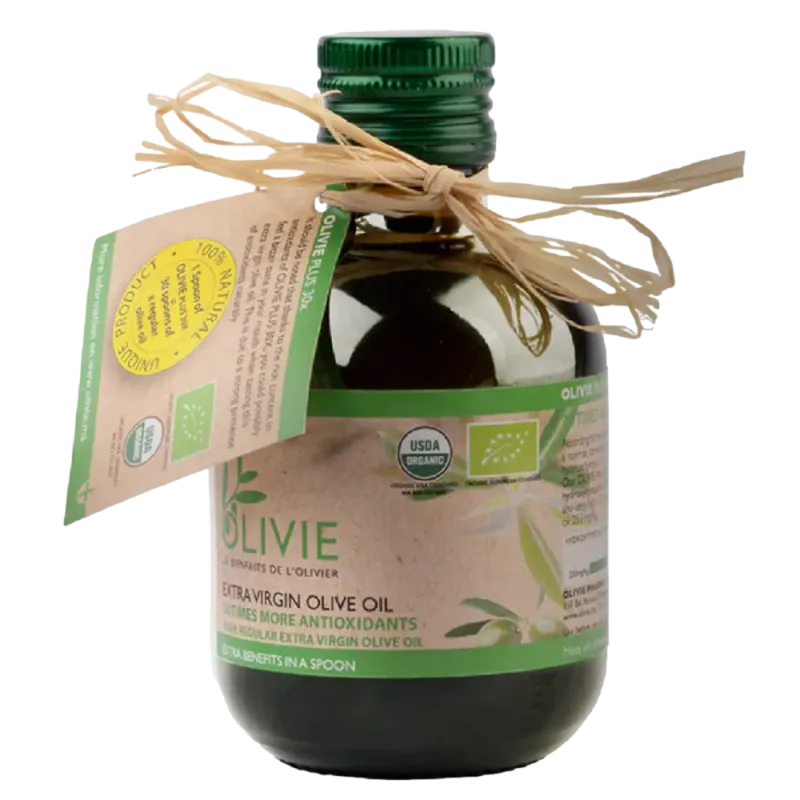
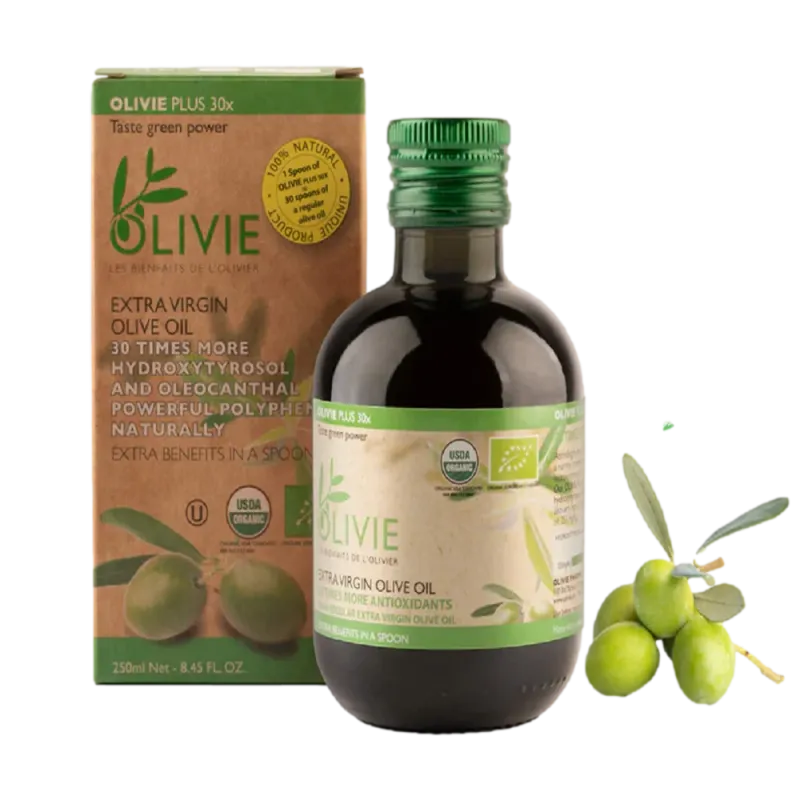
It’s a certified organic, first cold press extra virgin olive oil made to deliver exceptionally high levels of beneficial polyphenols—especially hydroxytyrosol.
SKU 2273
$31.00
Heart & Circulation
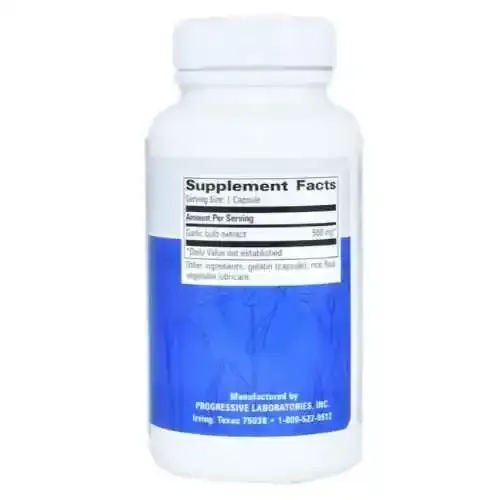
Progressive Laboratories Garlic (100 Capsules)
Progressive Laboratories Garlic (100 Capsules)
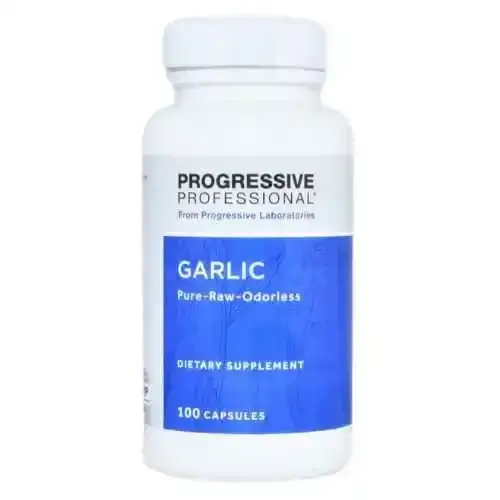
Deodorized garlic extract capsules to support cardiovascular and immune health.
SKU 1094
$24.00
Blood Sugar & Weight
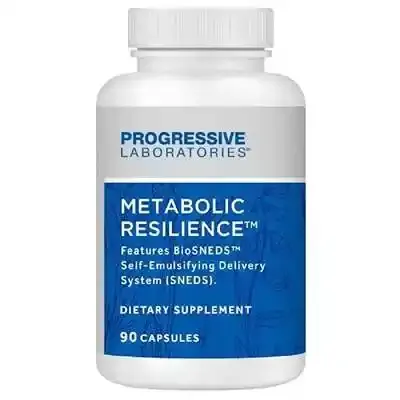
Progressive Laboratories Metabolic Resilience (90 Capsules)
Progressive Laboratories Metabolic Resilience (90 Capsules)
Metabolic Resilience™ is a specialized formula formulated for health professionals to support healthy insulin sensitivity, optimize metabolism and blood sugar regulation, and enhance antioxidant defenses
SKU 2224
$79.99
Heart & Circulation
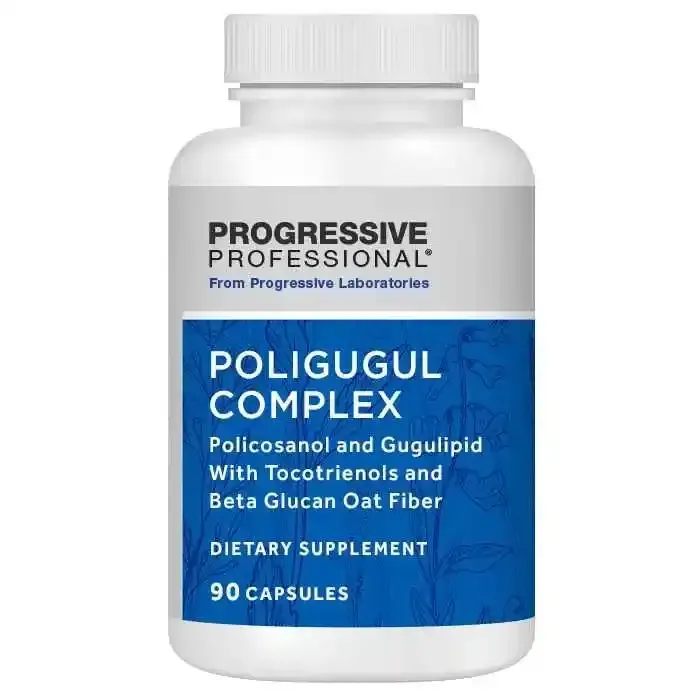
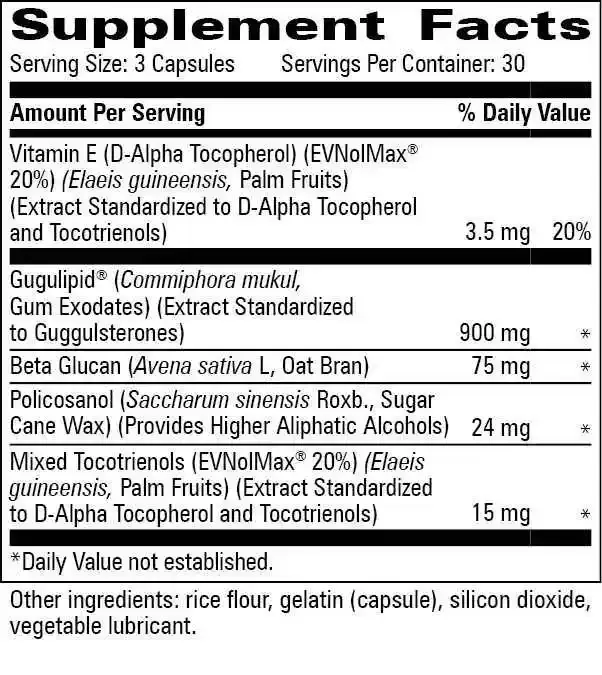
Progressive Laboratories Poligugul Complex (90 Capsules)
Progressive Laboratories Poligugul Complex (90 Capsules)
Comprehensive Cardiovascular, Thyroid, and Joint Support with Clinically-Studied Nutrients for Heart Health, Cholesterol Management, and Arthritis Relief
SKU 2181
$42.00
Slow Metabolic Type
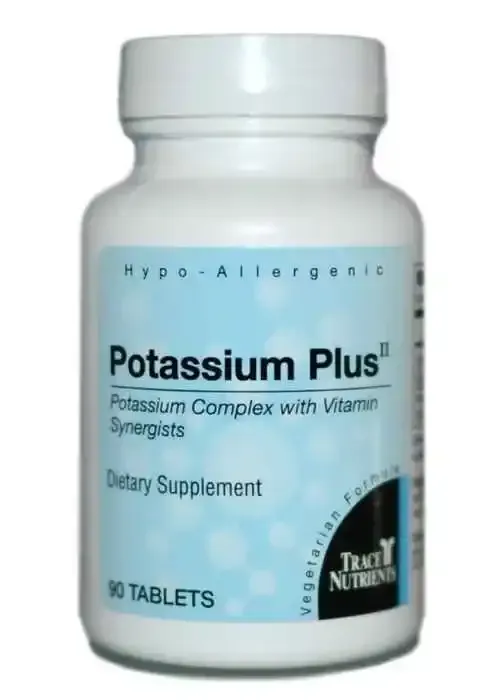
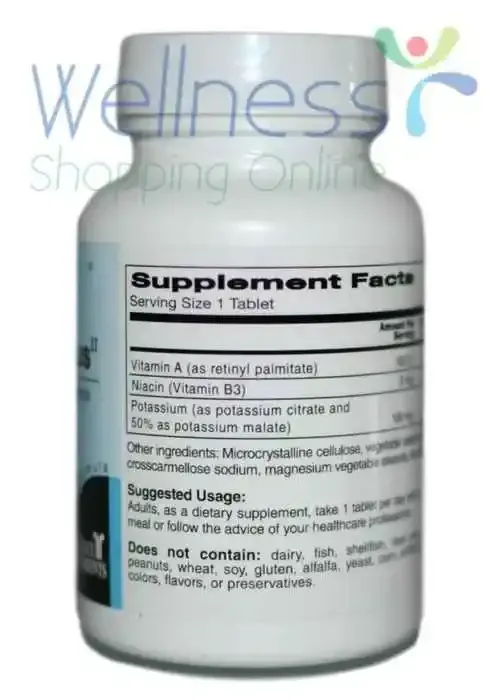
Trace Elements Potassium Plus II (90 Tablets)
Trace Elements Potassium Plus II (90 Tablets)
A hypoallergenic blend of potassium citrate and malate with Vitamin A and niacin to support electrolyte balance, muscle health, and overall energy.
SKU 1367
$12.80