Bone & Muscle Support
Shop By Health Concern
Bone & Muscle Support
Bone is not a calcium warehouse. It is living tissue in constant turnover, and whether calcium stays where it belongs depends heavily on the minerals sitting alongside it.
- Calcium & magnesium
- Vitamin D & K
- Collagen & cartilage
- Muscle relaxation
What actually holds bone together
Calcium gets the attention, but it does not act alone. The cofactors around it determine whether it is deposited into bone or precipitated somewhere less useful.
Structure
Calcium and its cofactors
Microcrystalline hydroxyapatite supplies calcium in the form bone actually uses, alongside the collagen matrix and phosphorus that come with it. Boron, vitamin D and vitamin K2 govern absorption and direct where the calcium ends up.
Balance
Magnesium
Magnesium keeps calcium in solution. Without enough of it, calcium is more inclined to precipitate in soft tissue instead of mineralizing bone — which is why balanced calcium-magnesium formulas outperform calcium taken alone.
Connective
Collagen and cartilage
Tendons, ligaments and cartilage are collagen structures with their own requirements. Collagen peptide formulas, glucosamine, chondroitin and MSM support that side rather than bone density.
Bone work and muscle work are not the same shelf
Bone density
Calcium, magnesium, vitamin D3, vitamin K1 and K2, boron and manganese. These are slow-moving targets measured over years, and the formulas are taken continuously rather than in response to symptoms.
Muscle and joint comfort
Magnesium for contraction and relaxation, collagen peptides for tendon and ligament resilience, and turmeric and boswellia blends for the soreness that follows exertion. These act on a much shorter timescale.
Why more calcium is often the wrong answer
On a hair tissue mineral analysis, the calcium to magnesium relationship carries more information than either number alone. The reference framework puts the ideal near 6.67 to 1, and ratios drifting well outside that range are read as a sign that calcium is not being handled well — not that more of it is needed.
A high tissue calcium reading is frequently the opposite of what people assume. Elevated levels of a nutrient element on a hair test often reflect biounavailability — the mineral is being lost into tissue rather than used. Adding calcium on top of that pattern tends to make it worse, while magnesium, zinc, vitamin B6 and taurine are the nutrients that support putting it back into circulation.
Worth knowing. Lead and cadmium displace calcium from bone, so toxic element exposure belongs in any serious conversation about bone chemistry. A hair tissue mineral analysis shows both mineral levels and toxic element exposure; blood work answers different questions and the two complement each other. The interpretive framework comes from the combined work of Dr. Paul Eck, Dr. Lawrence Wilson and Dr. David Watts at Trace Elements Inc.
Why I rarely start with calcium — Eileen Durfee
When someone comes to me worried about bone density, the instinct is almost always to add calcium. I usually do not start there, and the chart is the reason.
Magnesium is what keeps calcium in solution. When the calcium to magnesium ratio drifts far outside its ideal range — roughly 6.67 to 1 — what I am looking at is a handling problem, not a supply problem. Pushing calcium into a body that is already struggling to keep it dissolved is how it ends up precipitating where nobody wants it rather than mineralizing bone.
There is also a stress mechanism here that gets missed. Cortisol increases the activity that pulls calcium out of bone, so a long stretch of unrelenting stress can raise tissue calcium while bone quietly gives it up. That is why a bone conversation so often turns into an adrenal conversation once I have the chart in front of me.
And when both the Ca/Mg and the Na/K ratios are depressed together — a double inversion — the order is settled: correct the sodium/potassium picture first. The calcium ratio commonly follows on its own, and the two tend to alternate as they improve across months.
Where to start
Endo-met Paramin (180 Caps)Balanced calcium and magnesium with boron and vitamin D3 for bone and muscle. Progressive Laboratories M.C.H.C. with K (120 Capsules)Microcrystalline hydroxyapatite with vitamins D3, K1 and K2 plus boron. Bio-Nutritional Formulas – Osteo-Gest (180 Capsules)MCHA calcium with magnesium, boron, vitamin D, K, phosphorus and manganese. Trace Elements Magnesium Plus (90 Tablets)Three forms of magnesium with vitamin B6 for muscle function and relaxation. Salt Wrap Collagen SynthesisFortigel and Tendoforte collagen peptides with vitamin C and hyaluronic acid.
Progressive Laboratories GC/MSM 3550 (120 Capsules)Glucosamine, chondroitin and MSM for cartilage and joint mobility.
Common questions
Should I take calcium on its own?
Generally not. Magnesium keeps calcium in solution, and vitamin D, vitamin K and boron govern absorption and placement. Balanced formulas exist precisely because calcium taken in isolation is more likely to end up somewhere other than bone.
What does a high calcium reading on a hair test actually mean?
Often the opposite of sufficiency. An elevated level of a nutrient element on a hair analysis frequently indicates biounavailability — the mineral is being lost into tissue rather than used well. That is why interpretation is done through ratios rather than single values.
What is the difference between the bone products and the joint products?
Bone formulas supply calcium, magnesium and the vitamins that direct their placement, and they work over years. Joint and connective tissue formulas supply collagen peptides, glucosamine, chondroitin and MSM, and they act on tendons, ligaments and cartilage rather than bone density.
Does stress affect bone chemistry?
It does. Cortisol increases the activity that releases calcium from bone, which can raise tissue calcium while bone stores decline. Addressing the adrenal picture is often part of a bone program rather than separate from it.
Do toxic metals matter for bone?
Yes. Lead and cadmium displace calcium from bone, so exposure history is relevant. A hair tissue mineral analysis shows toxic element exposure alongside mineral levels, which is one reason it is used in this area.
Is it a supply problem or a handling problem?
The calcium to magnesium relationship tells you which, and adding calcium to a handling problem tends to backfire. A hair tissue mineral analysis shows your mineral ratios and toxic element exposure. The mailed kit includes a scale — the sample is about a teaspoon of new growth.
These statements have not been evaluated by the Food and Drug Administration. These products are not intended to diagnose, treat, cure, or prevent any disease. Wellness Shopping Online is operated by Nuco Enterprise Solutions LLC. Your healthcare provider can help you shape a program that fits your individual situation.
Refine by
Minerals
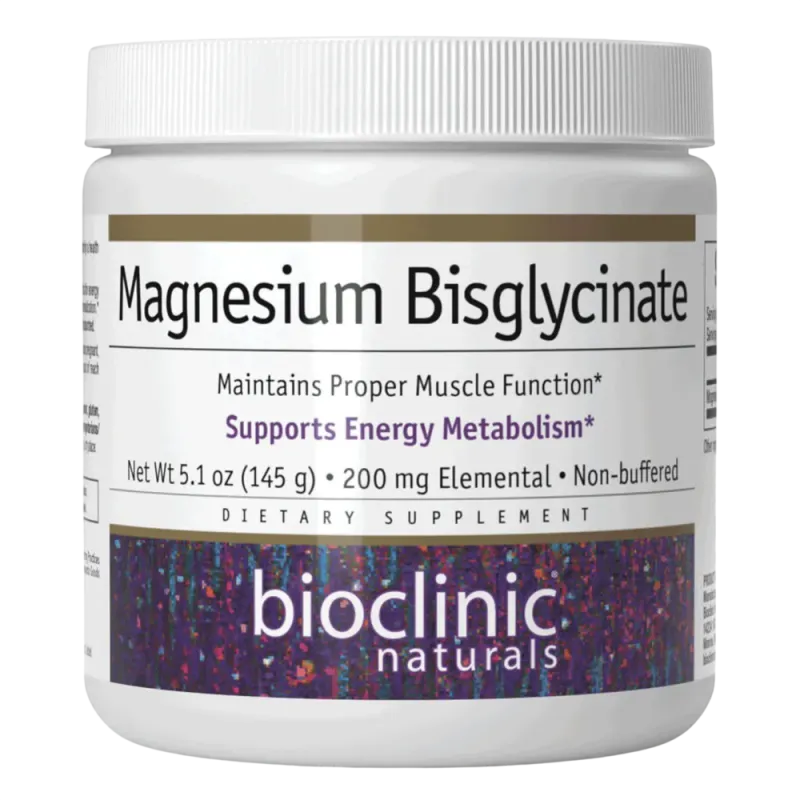
Bioclinic Naturals Magnesium Bisglycinate (120g)
Bioclinic Naturals Magnesium Bisglycinate (120g)
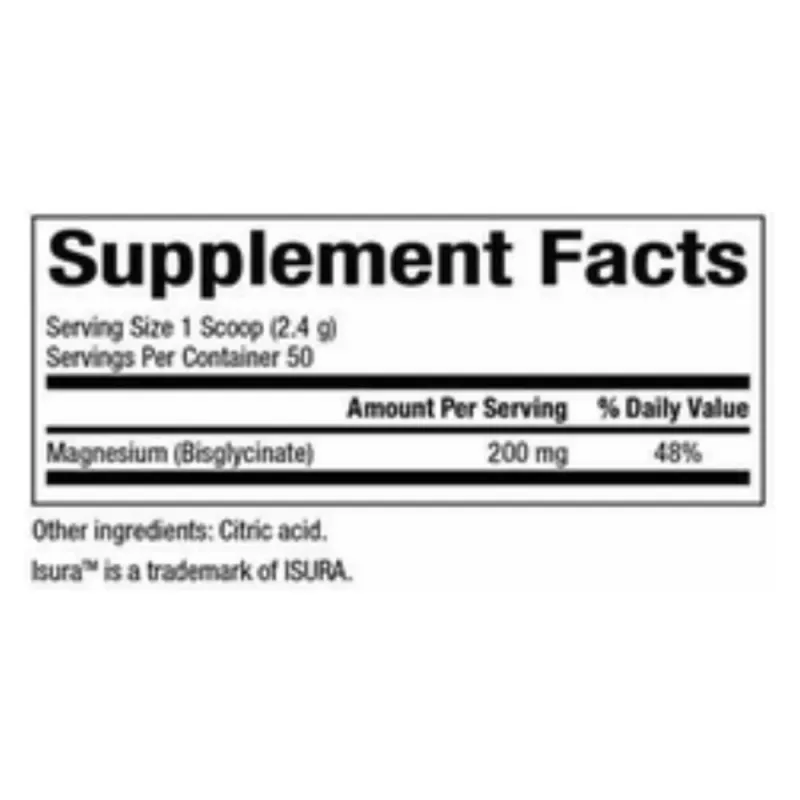
Gentle magnesium bisglycinate powder providing 200 mg per serving to support energy production, muscle function, nerve transmission, and bone health.
SKU 2322
$22.79
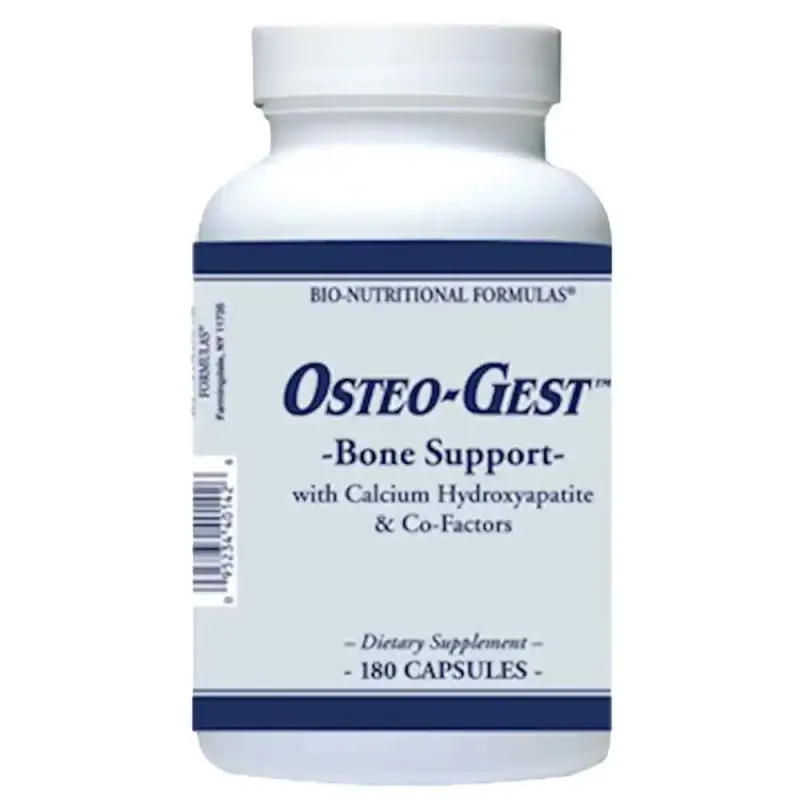
Bio-Nutritional Formulas – Osteo-Gest (180 Capsules)
Bio-Nutritional Formulas – Osteo-Gest (180 Capsules)
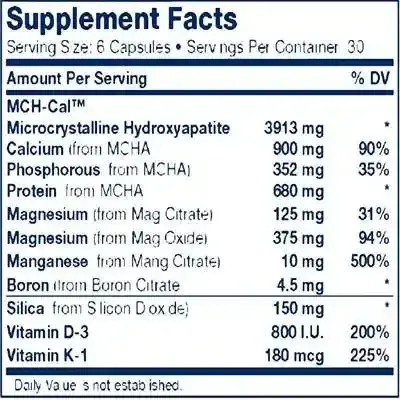
Osteo-Gest features Microcrystalline Hydroxyapatite (MCHA), one of nature’s most easily absorbed forms of calcium.
SKU 2240
$23.95
Qi Regulating

Dragon Herbs Easy Qi (100 Capsules)
Dragon Herbs Easy Qi (100 Capsules)
Promotes relaxation, supports Qi flow, and relieves tension in the back and neck.
SKU 2177
$27.99
Yang Tonic

Dragon Herbs Eucommia Bark Drops (2 oz)
Dragon Herbs Eucommia Bark Drops (2 oz)
A powerful Yang and Yin Jing tonic derived from mature Eucommia bark to support kidney health, bones, muscles, and overall vitality.
SKU 2156
$20.00
Yang Tonic

Dragon Herbs Frame Builder (100 Capsules)
Dragon Herbs Frame Builder (100 Capsules)
Comprehensive Skeleton and Joint Support
SKU 2163
$27.00
Jing Tonic

Dragon Herbs Strength Builder (100 Capsules)
Dragon Herbs Strength Builder (100 Capsules)
Empower Your Body with Robust Strength and Vitality
SKU 2164
$26.99
Fast Oxidizer
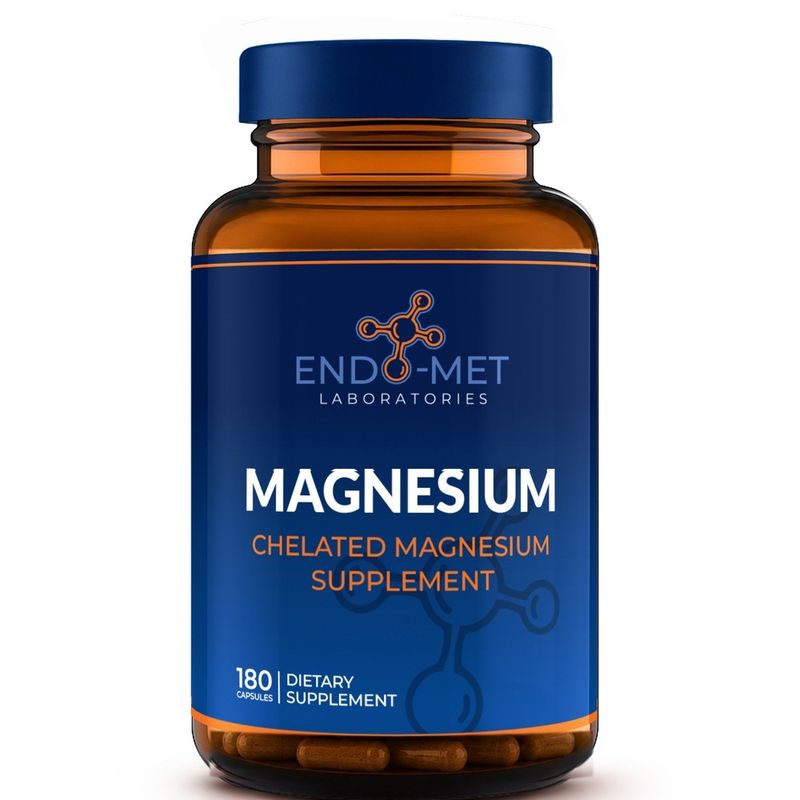
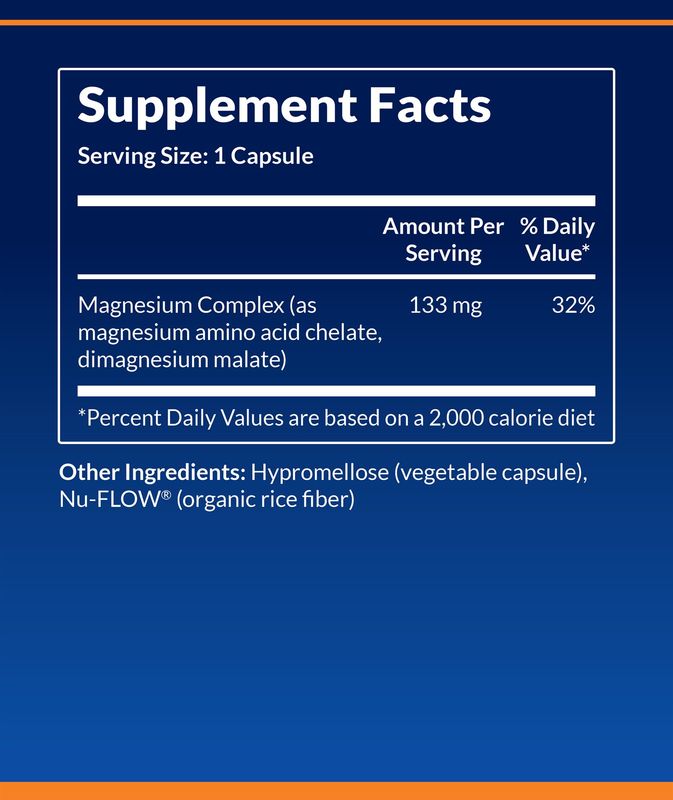
Endo-met Magnesium (180 Capsules)
Endo-met Magnesium (180 Capsules)
Optimize Your Health – Essential Support for Muscle Function, Energy, and Detoxification
SKU 1104
$25.00
Fast Oxidizer
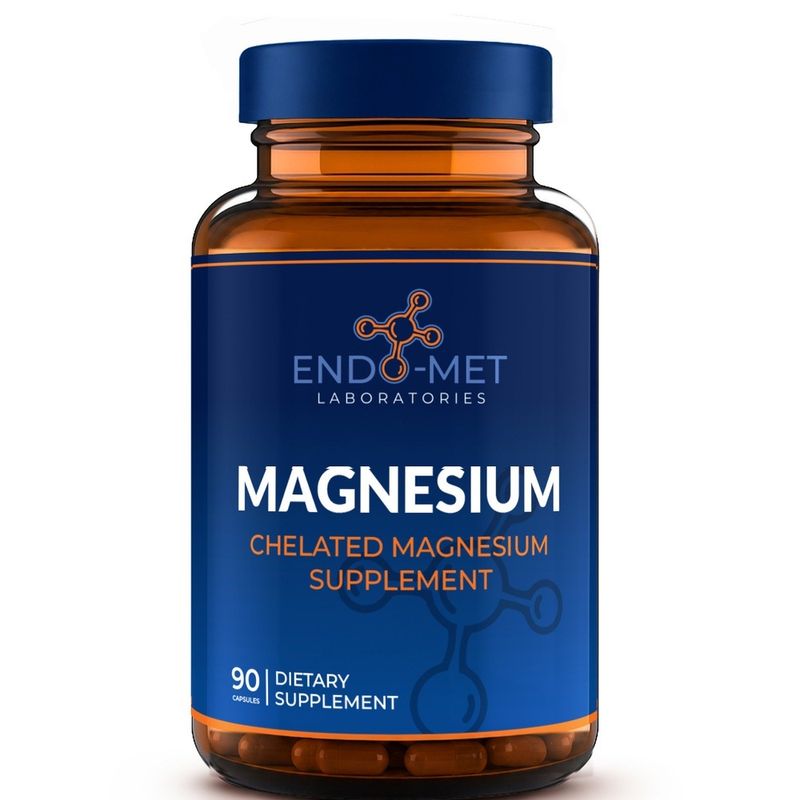
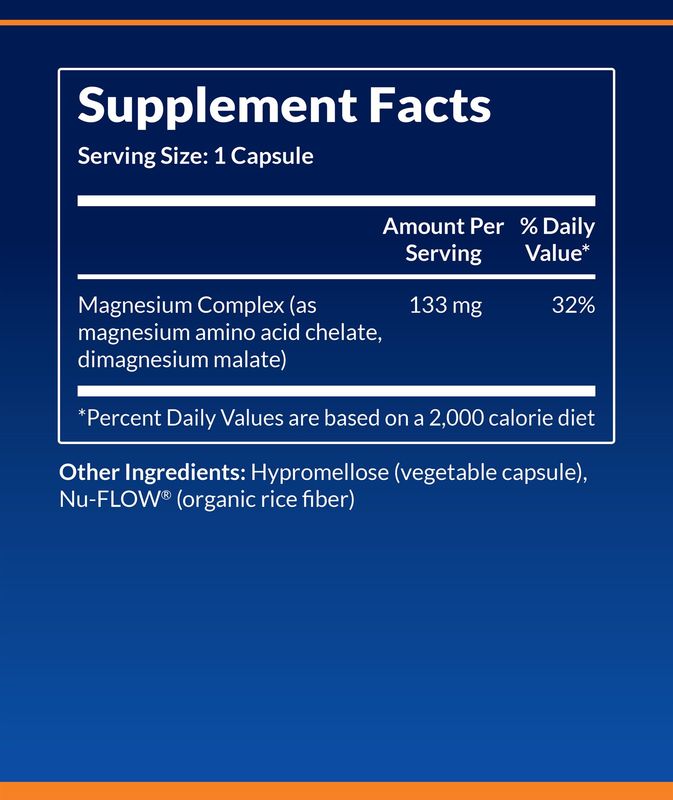
Endo-met Magnesium (90 Capsules)
Endo-met Magnesium (90 Capsules)
Daily Support for Muscle Relaxation, Energy, and Overall Wellness
SKU 1103
$13.00
Fast Oxidizer
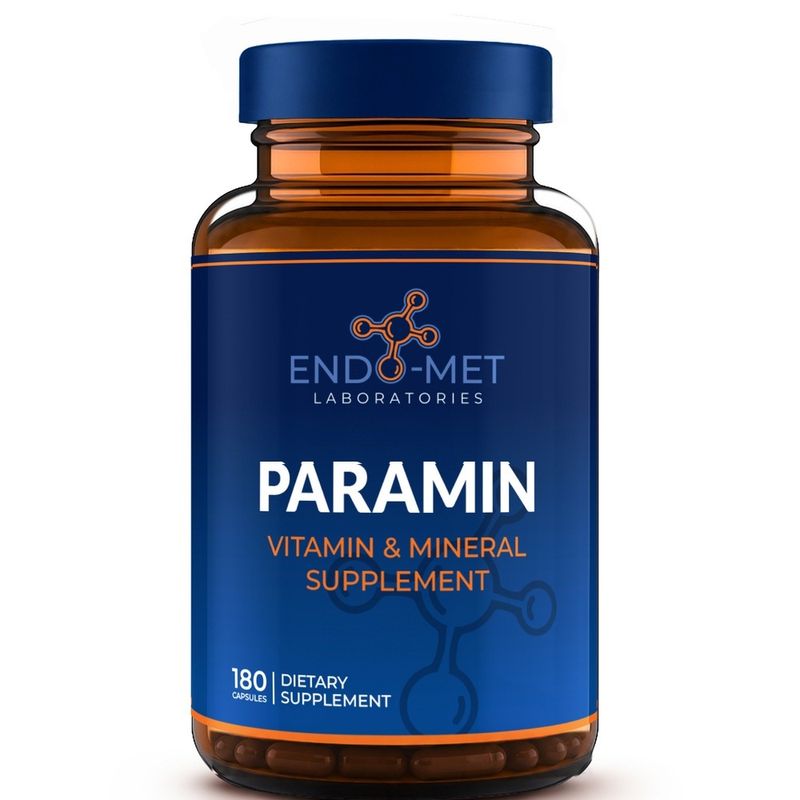
Endo-met Paramin (180 Caps)
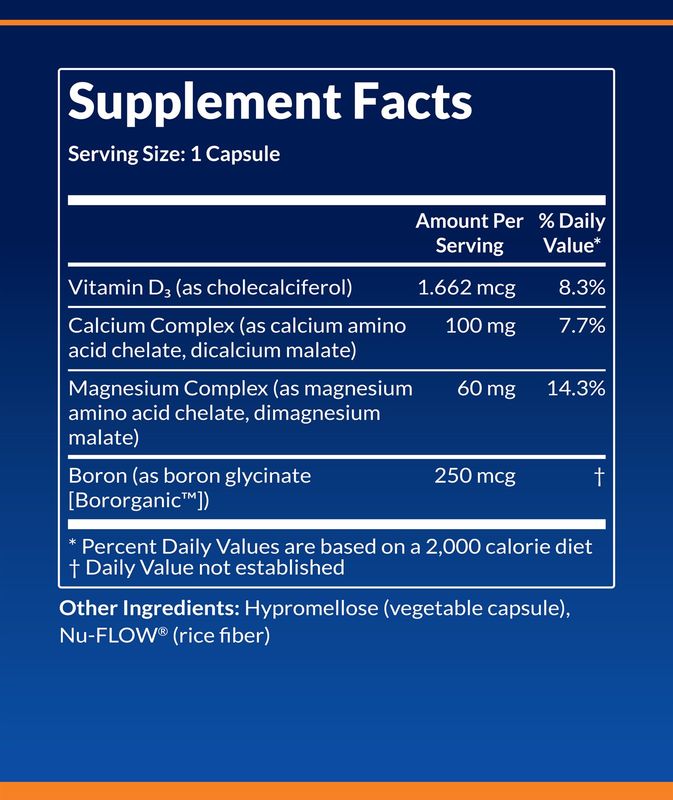
Endo-met Paramin (180 Caps)
Support Strong Bones and Relaxed Muscles – Balanced Calcium and Magnesium Formula
SKU 2148
$31.00
Fast Oxidizer
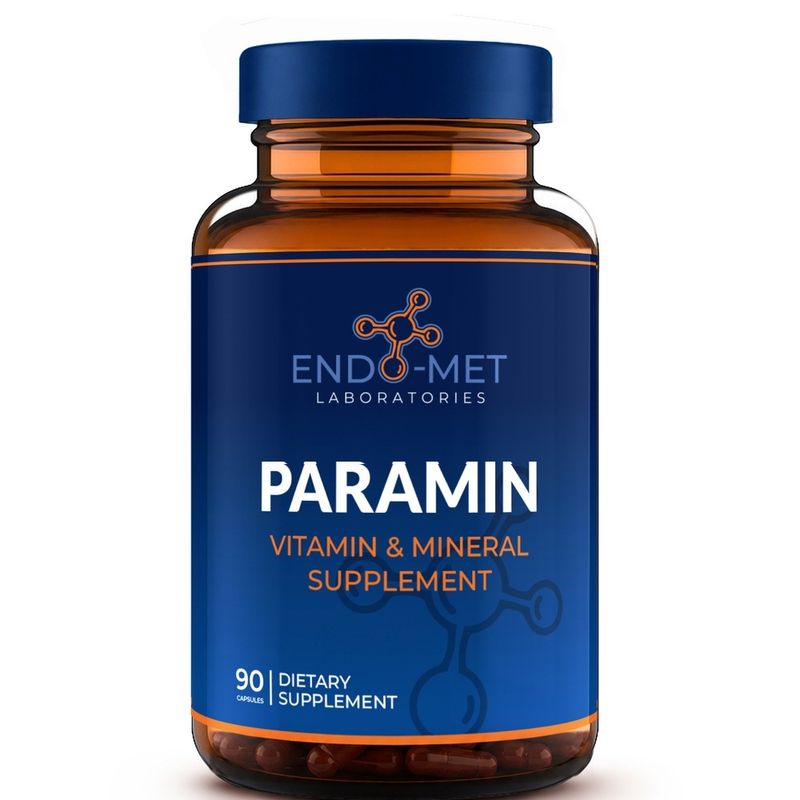
Endo-met Paramin (90 Capsules) New
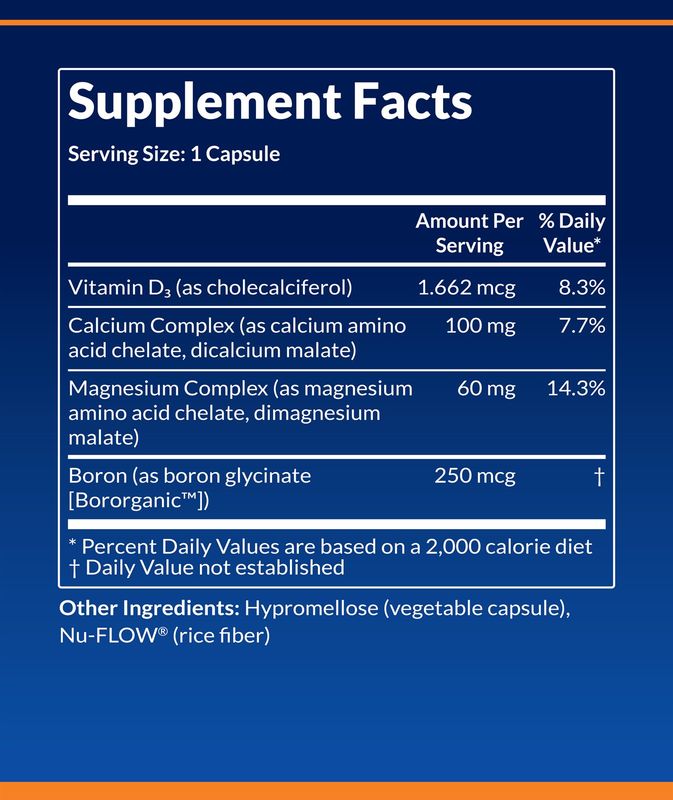
Endo-met Paramin (90 Capsules) New
Maintain Strong Bones and Muscles – Optimized Calcium and Magnesium Support for Daily Wellness
SKU 2149
$16.00
All Oxidation Types
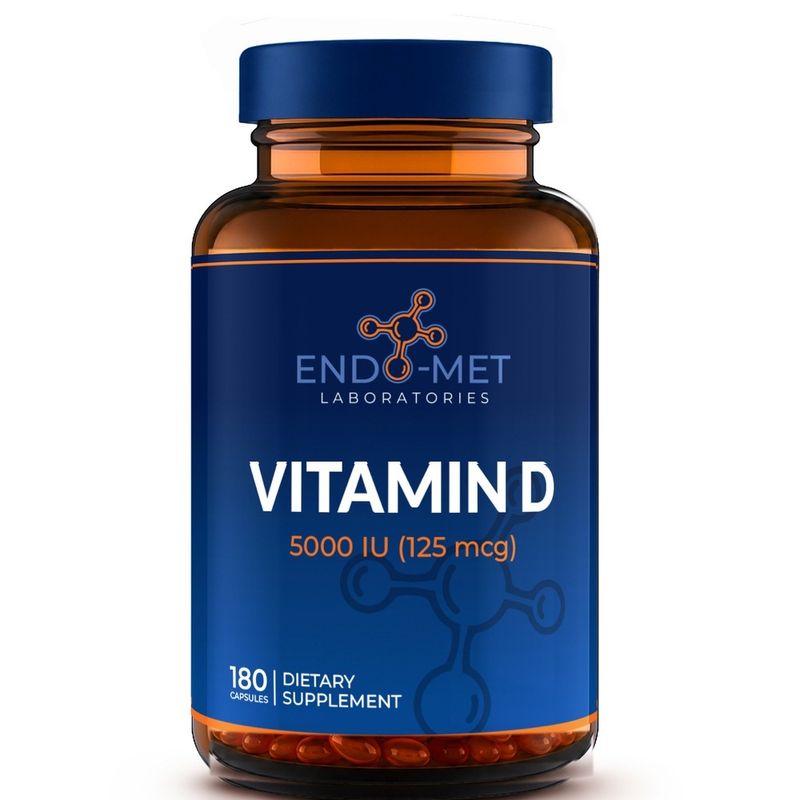
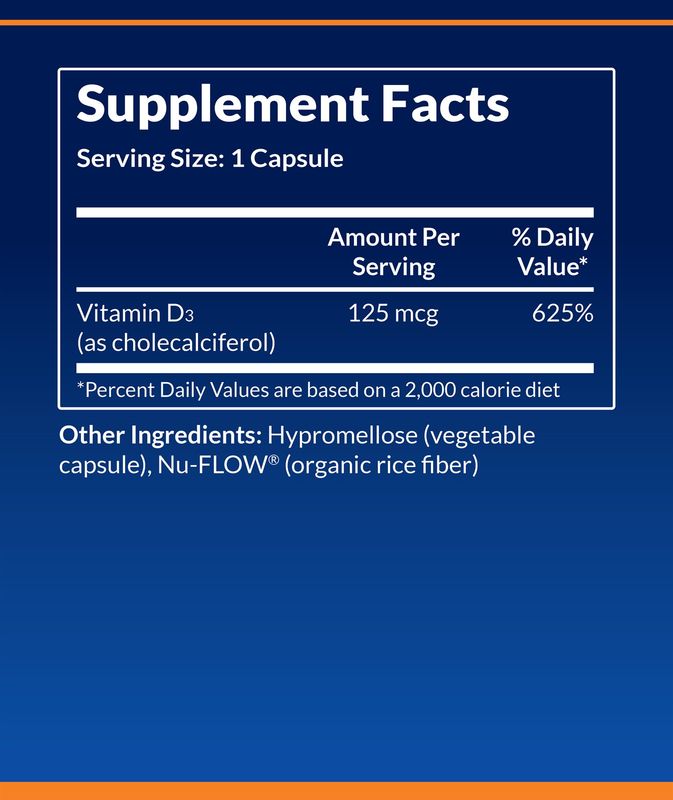
Endo-met Vitamin D (180 Capsules)
Endo-met Vitamin D (180 Capsules)
Extended High-Potency 5,000 IU Vitamin D3 for Bone & Immune Health
SKU 1426
$35.00
All Oxidation Types
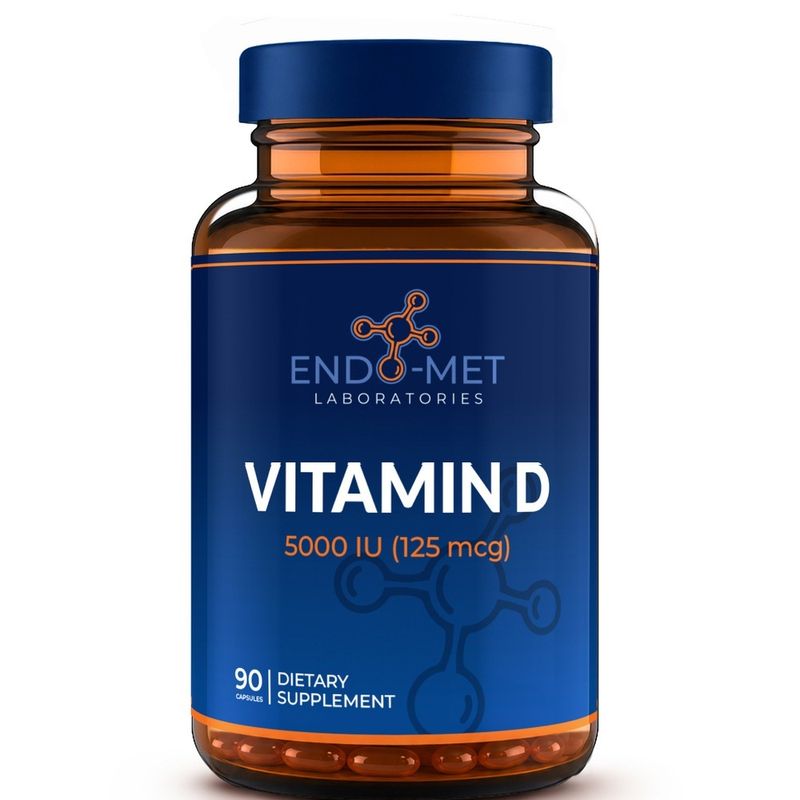
Endo-met Vitamin D (90 Capsules)
Endo-met Vitamin D (90 Capsules)
High-Potency 5,000 IU Vitamin D3 for Bone, Immune, and Overall Health
SKU 1089
$18.00
Inflammation

Nutra BioGenesis InflamaZyme (90)
Nutra BioGenesis InflamaZyme (90)
Advanced Enzyme Formula for Inflammation and Recovery Support
SKU 2140
$56.89
Bone & Muscle Support
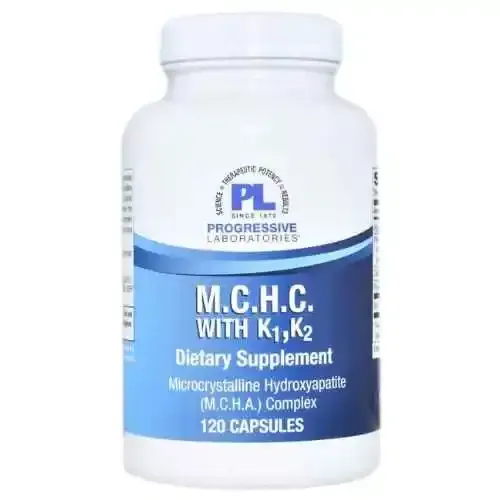
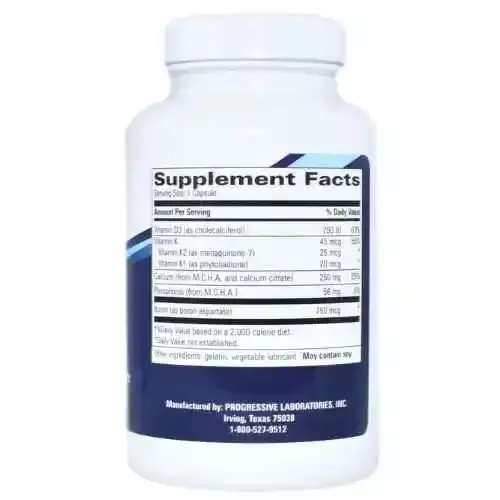
Progressive Laboratories M.C.H.C. with K (120 Capsules)
Progressive Laboratories M.C.H.C. with K (120 Capsules)
Supports bone density and health with MCHA, calcium, vitamins K1, K2, and D3. Enhanced with boron for healthy metabolism and bone building.
SKU 1871
$47.00

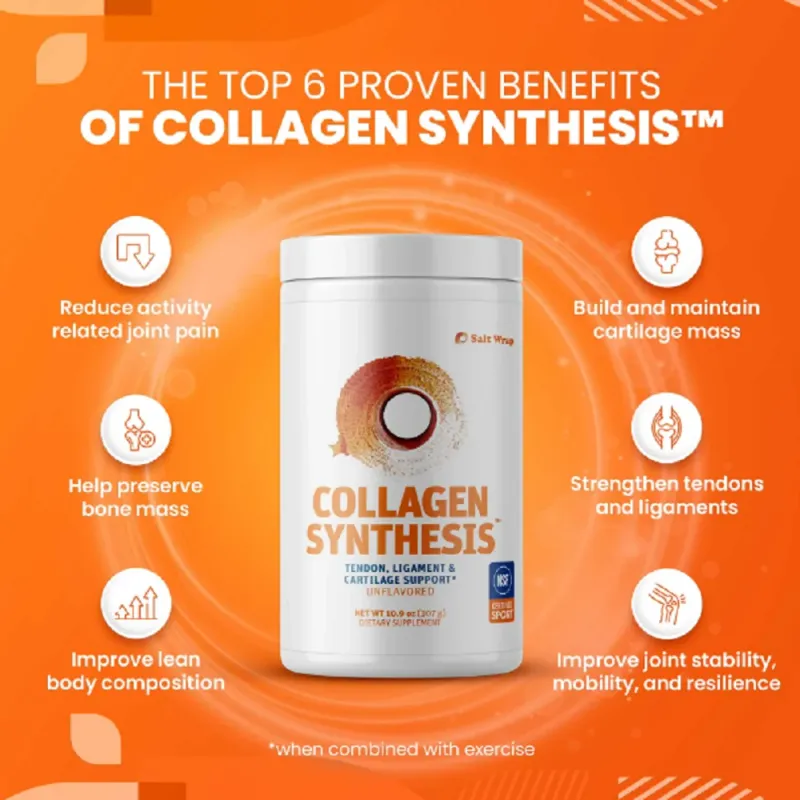
Salt Wrap Collagen Synthesis
Salt Wrap Collagen Synthesis
Award-Winning collagen peptide formula designed to support joints, tendons, ligaments, and cartilage
SKU 2276
$54.95
Fast Metabolic Type


Trace Elements Calcium Plus III (90 Tablets)
Trace Elements Calcium Plus III (90 Tablets)
A hypoallergenic blend of calcium citrate, di-calcium malate, and Vitamin D designed to support bone health and enhance calcium absorption.
SKU 1365
$13.70
Fast Metabolic Type


Trace Elements Magnesium Plus (90 Tablets)
Trace Elements Magnesium Plus (90 Tablets)
A hypoallergenic blend of magnesium malate, bisglycinate, and oxide with Vitamin B6 for enhanced muscle function, relaxation, and overall energy support.
SKU 1366
$13.50
Raise Na/K


Trace Elements Manganese Plus II (90 Tablets)
Trace Elements Manganese Plus II (90 Tablets)
A hypoallergenic blend of manganese bisglycinate and aspartate with Vitamin B1 for enhanced bone health, enzyme function, and antioxidant support.
SKU 1371
$10.80
Slow Metabolic Type


Trace Elements Potassium Plus II (90 Tablets)
Trace Elements Potassium Plus II (90 Tablets)
A hypoallergenic blend of potassium citrate and malate with Vitamin A and niacin to support electrolyte balance, muscle health, and overall energy.
SKU 1367
$12.80
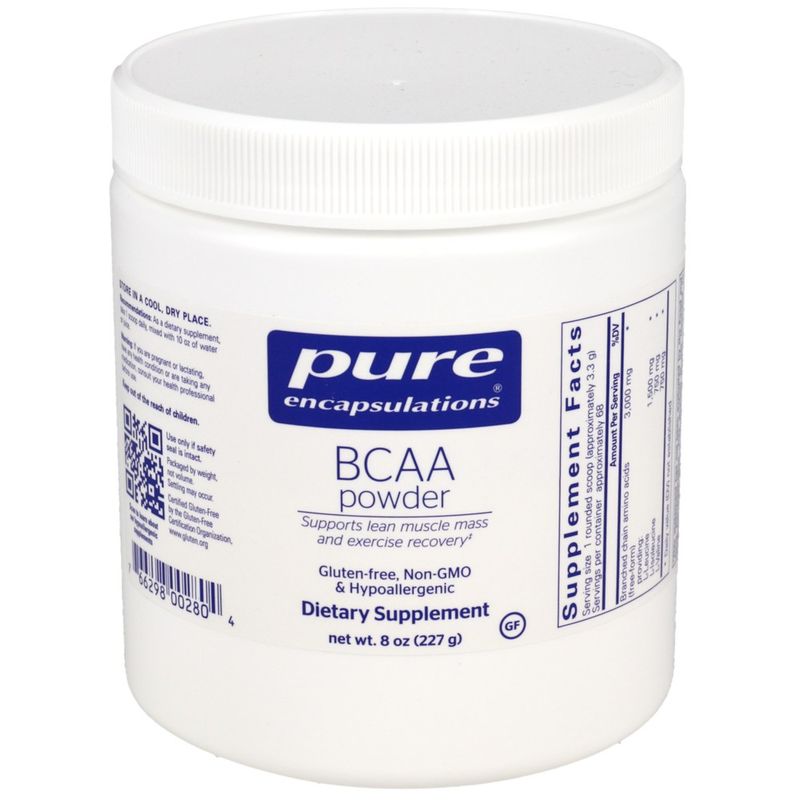

Pure Encapsulations BCAA Powder (227 g)
Pure Encapsulations BCAA Powder (227 g)
Free-form branched chain amino acids - 3,000 mg per scoop for lean muscle and recovery*
SKU 2361
$63.00
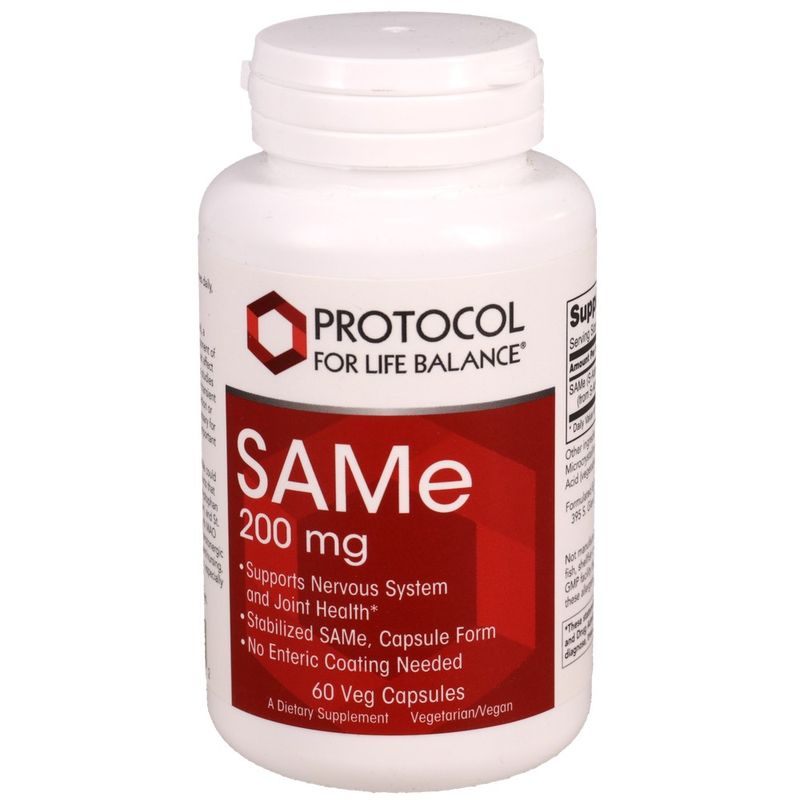
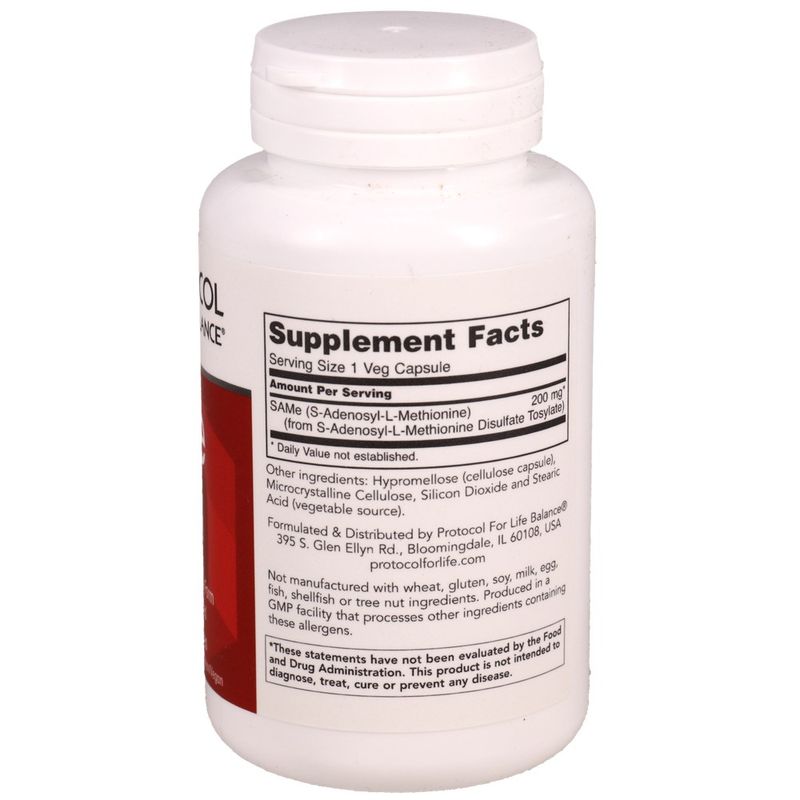
Protocol for Life Balance SAMe 200 mg (60 Veg Capsules)
Protocol for Life Balance SAMe 200 mg (60 Veg Capsules)
Stabilized SAMe 200 mg - nervous system and joint support*
SKU 2362
$40.00