Adrenal & Stress Recovery
Shop By Health Concern
Adrenal & Stress Recovery
Prolonged stress is expensive. It further depletes the minerals the adrenal glands depend on, and the formulas here are the ones matched to oxidation type in a nutritional balancing program.
- Adrenal glandulars
- Metabolic type formulas
- Pantothenic acid & zinc
- Stress mineral patterns
What adrenal support actually addresses
The adrenal glands sit at the center of how the body meets demand. Nutritional balancing looks at how fast you burn through resources — your oxidation rate — because fast and slow oxidizers need almost opposite support.
Slow oxidation
Rebuilding output
A slow oxidizer runs the metabolic engine below capacity. Formulas here supply zinc, pantothenic acid and the cofactors that support adrenal hormone production, with the goal of raising the rate rather than sedating it further.
Fast oxidation
Slowing the burn
A fast oxidizer is spending resources faster than they are replaced. Calcium, magnesium and glandular support are used to bring the rate down and stop the drain, which is the opposite of what a stimulant would do.
Both patterns
The sodium/potassium ratio
The Na/K ratio reflects how the adrenal response is holding up over time. A depressed ratio commonly travels with fatigue that does not resolve with rest, and it is the marker worth watching across retests.
Glandulars and mineral formulas do different jobs
Glandular concentrates
Bovine adrenal and thymus nucleoprotein supply the polypeptides and enzymes associated with gland function. These are the Endo-Dren, Thym-Adren and Adrenal Complex II style products, and they are typically matched to oxidation type rather than taken universally.
Targeted mineral packs
Endo-Pan, Megapan, Stress Pak and SBF Formula are multi-nutrient formulas built for a specific metabolic pattern. Taking the pack designed for the opposite pattern can work against you, which is why these are usually chosen from a current test rather than from symptoms alone.
Why the mineral pattern comes first
Adrenal formulas are not interchangeable. The same product that helps a slow oxidizer regain output can push a fast oxidizer further into depletion, because the two patterns need opposite interventions.
That is the practical case for testing before buying in this category specifically. Seeing where sodium, potassium, calcium and magnesium actually sit enables a trained practitioner to design a program tailored to your specific biochemistry, rather than guessing which direction to push.
A note on testing. Blood work and hair tissue mineral analysis answer different questions and both are worth having. Blood shows what is circulating now; a hair tissue mineral analysis shows mineral levels and toxic element exposure stored in tissue over months. The framework behind oxidation types comes from the combined work of Dr. Paul Eck, Dr. Lawrence Wilson and Dr. David Watts at Trace Elements Inc.
The first number I read — Eileen Durfee
Before I look at anything else on an adrenal chart, I read the sodium/potassium ratio. In this framework it is called the vitality ratio, and it tells me which stage of stress someone is actually in — which is a different question from how tired they feel.
The direction matters more than most people realise. A high Na/K reflects the alarm stage, the early fighting phase. A low ratio — an inversion, generally read as anything under about 2.5 to 1 on an unwashed sample — points to the exhaustion stage instead. The mechanism is straightforward once you see it: sodium tracks aldosterone, potassium tracks the glucocorticoids, and as adrenal output declines sodium falls relative to potassium. Two people can report identical fatigue and sit at opposite ends of that ratio, needing opposite support.
The second thing an inversion tells me is to go looking for copper. Binding copper properly depends on strong adrenal activity, so when the adrenals weaken, copper tends to accumulate quietly in tissue. That is why I so often find a hidden copper picture sitting underneath what presented as plain exhaustion — and why treating only the fatigue tends to disappoint.
On a retest I am watching the trend, not chasing a target. A ratio climbing steadily out of a depressed range over three to five months tells me the program is working, even if the number is not where either of us would like it yet.
Where to start
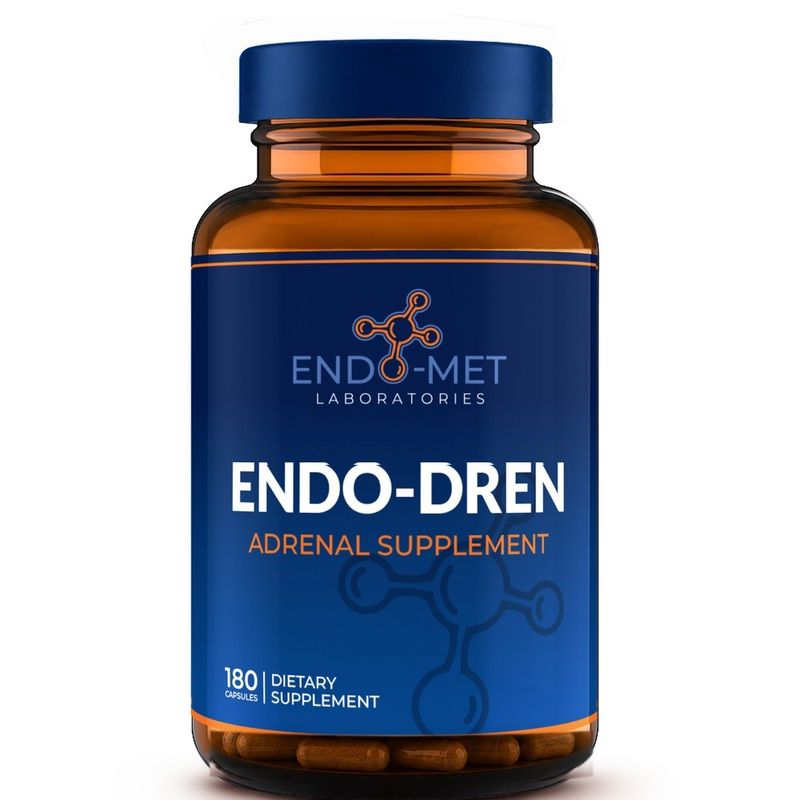
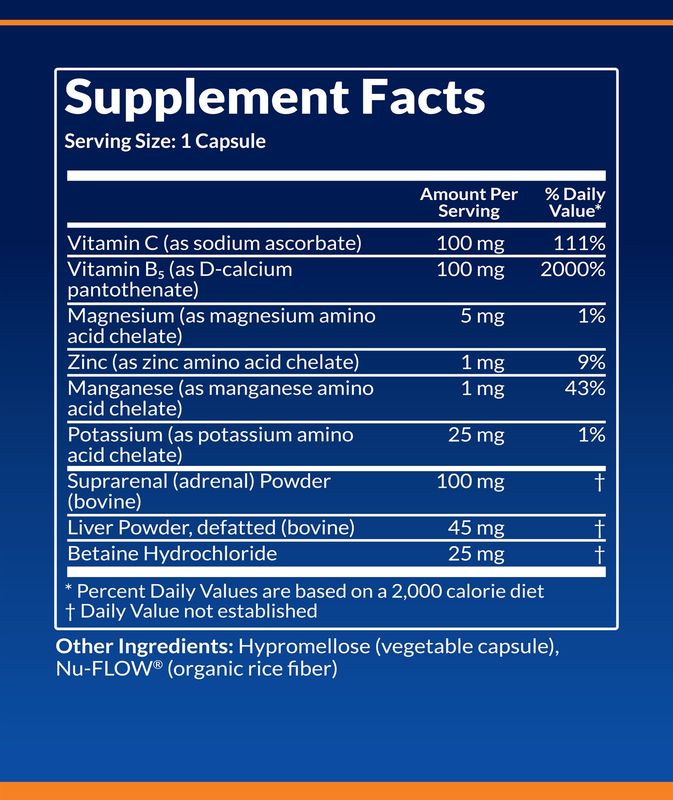
Endo-met Endo-Dren (180 Capsules)Bovine adrenal nucleoprotein with vitamin C, B5, magnesium and zinc for adrenal function. Endo-met Thym-Adren (180 Tablets)Thymus and adrenal glandular extracts with cofactors, formulated for fast oxidizers. Trace Elements Adrenal Complex II (180 Tablets)Lyophilized adrenal concentrate with B5, B6 and chelated minerals. Endo-met Endo-Pan (180 Tablets)Zinc, pantothenic acid and L-cysteine for adrenal function and energy production. Endo-met Stress Pak (180 Tablets)Vitamin-mineral formula built to bring the metabolic rate down in fast oxidizers. Endo-met Megapan (180 Tablets)Multivitamin-mineral formula with chelated minerals, designed for slow oxidizers.
Common questions
How do I know whether I am a fast or slow oxidizer?
Oxidation rate is read from the mineral ratios on a hair tissue mineral analysis, primarily the calcium to potassium and sodium to magnesium relationships. It is not something you can reliably determine from symptoms, which is why the formulas in this category are usually selected from a current test.
Can I just take an adrenal glandular on its own?
Some people do, but glandulars are designed to sit inside a broader program that also supplies the mineral cofactors gland function depends on. Taking the glandular while the underlying mineral pattern is unaddressed is a common reason results disappoint.
Why do adrenal formulas contain pantothenic acid and zinc?
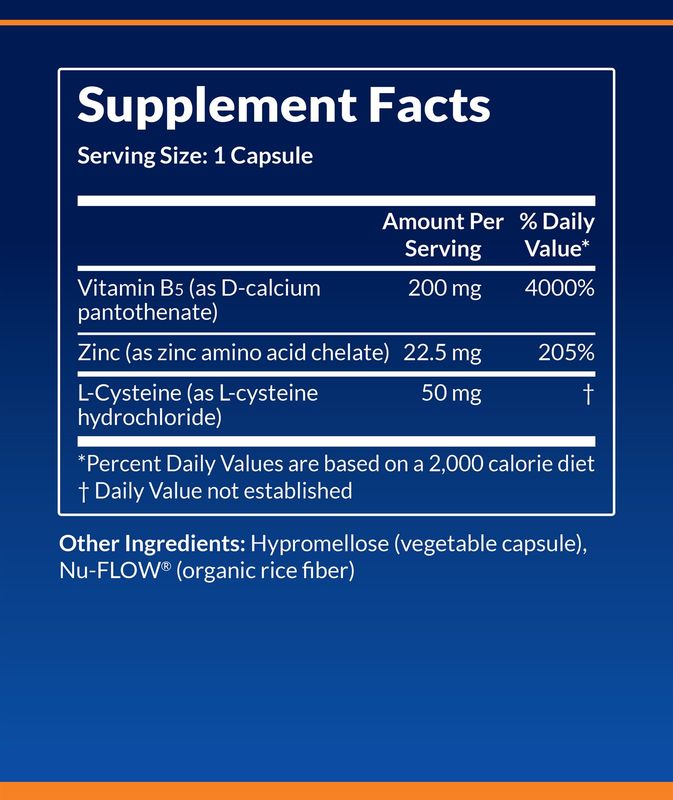
Pantothenic acid, vitamin B5, participates directly in adrenal hormone synthesis, and zinc is required across a wide range of enzyme systems including those involved in the stress response. Both are commonly depleted under prolonged demand.
How long does adrenal recovery usually take?
Longer than most people expect. Meaningful shifts in mineral ratios generally show up across three to five months, which is why retesting is set on that cadence rather than monthly. Your healthcare provider can help you set realistic expectations for your situation.
Is fatigue always an adrenal issue?
No, and that is worth saying clearly. Thyroid function, iron status, blood sugar handling and sleep quality all produce fatigue that looks similar from the outside. Blood work and hair tissue mineral analysis together give a fuller picture than either does alone.
Which adrenal pattern are you actually in?
This is the category where guessing costs the most, because fast and slow oxidizers need opposite support. A hair tissue mineral analysis shows your mineral ratios and toxic element exposure. The mailed kit includes a scale — the sample is about a teaspoon of new growth.
These statements have not been evaluated by the Food and Drug Administration. These products are not intended to diagnose, treat, cure, or prevent any disease. Wellness Shopping Online is operated by Nuco Enterprise Solutions LLC. Your healthcare provider can help you shape a program that fits your individual situation.
Refine by
Jing Tonic
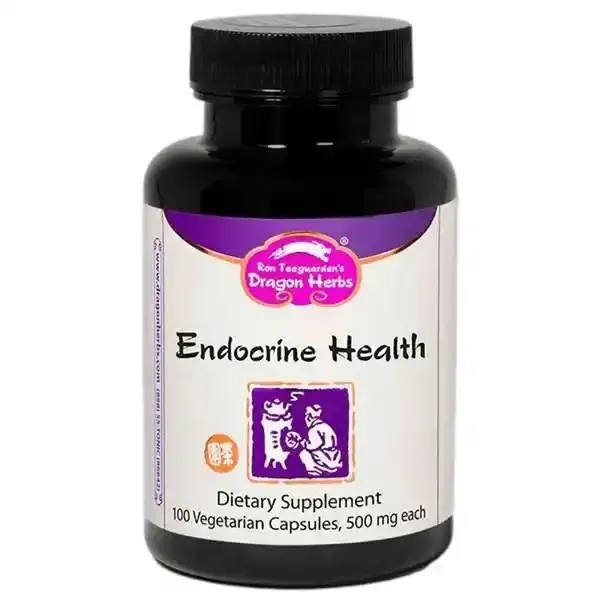
Dragon Herbs Endocrine Health (100 Capsules)
Dragon Herbs Endocrine Health (100 Capsules)
Holistic Endocrine Support with Jing, Qi, and Shen
SKU 2165
$30.00
Slow Oxidizer
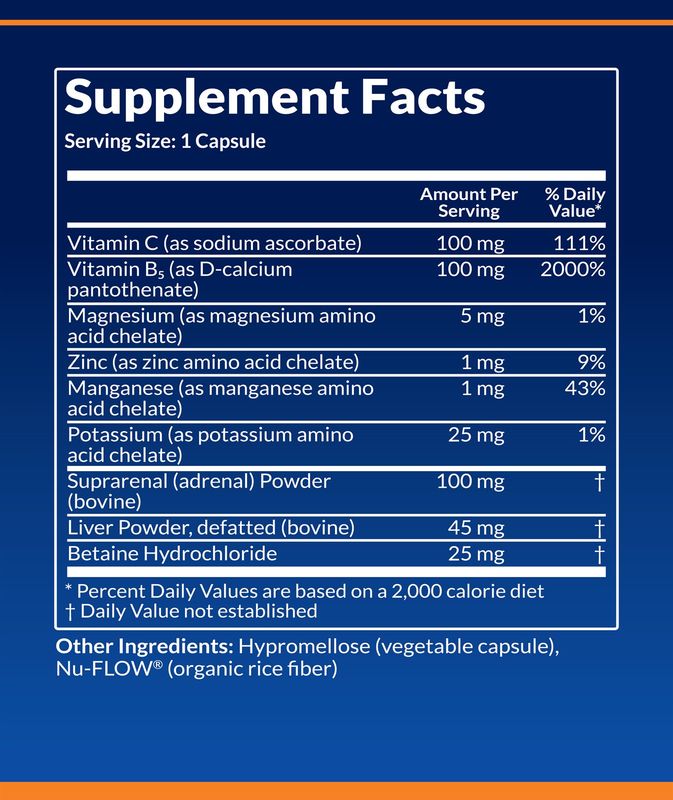
Endo-met Endo-Dren (180 Capsules)
Endo-met Endo-Dren (180 Capsules)
A powerful adrenal support supplement with bovine adrenal extract and essential nutrients to restore normal adrenal function and improve energy levels, for slow oxidizers.
SKU 1052A
$47.00
Slow Oxidizer
Endo-met Endo-Dren (90 Capsules)
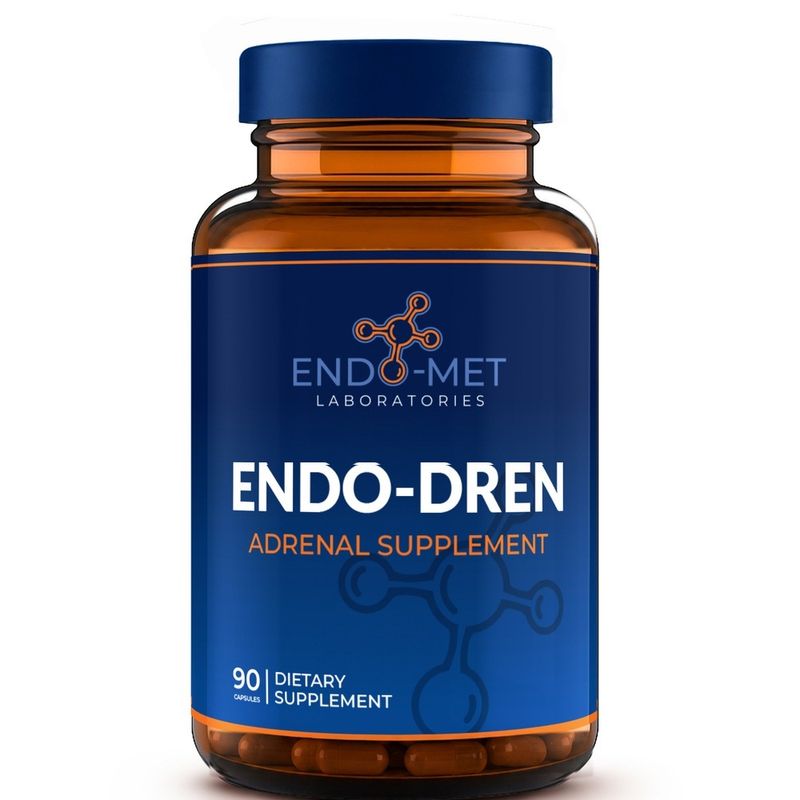
Endo-met Endo-Dren (90 Capsules)
A glandular supplement with bovine adrenal extract and essential nutrients to support adrenal health and restore normal adrenal function in slow oxidizers
SKU 1051A
$24.00
Slow Oxidizer
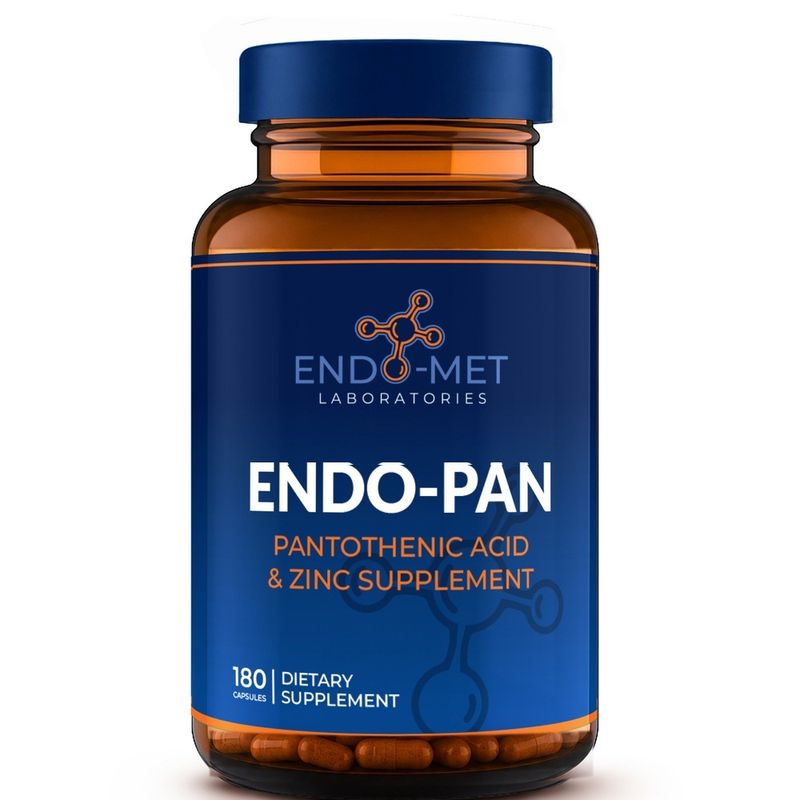
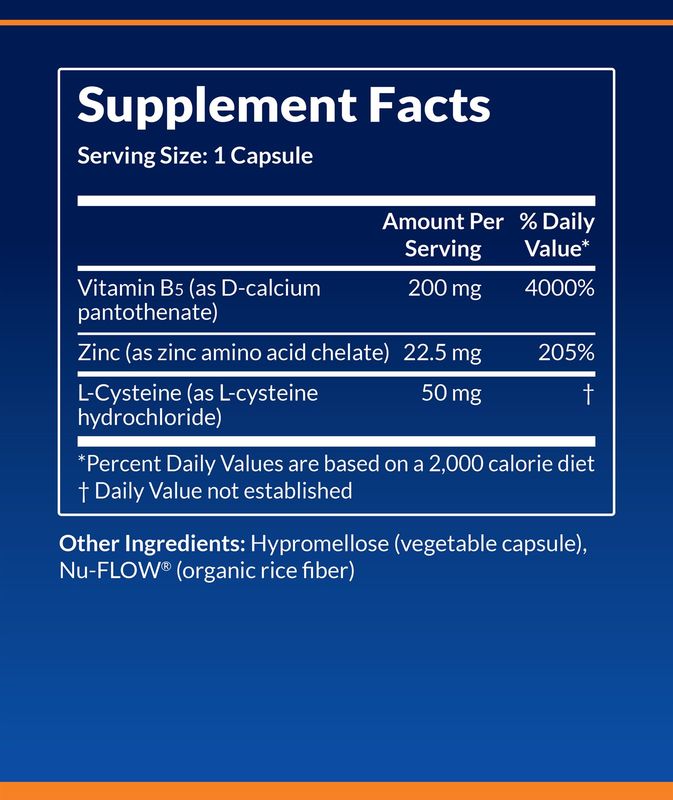
Endo-met Endo-Pan (180 Tablets)
Endo-met Endo-Pan (180 Tablets)
Extended Adrenal and Energy Support with Zinc, B5, and Cysteine
SKU 1054
$47.00
Slow Oxidizer
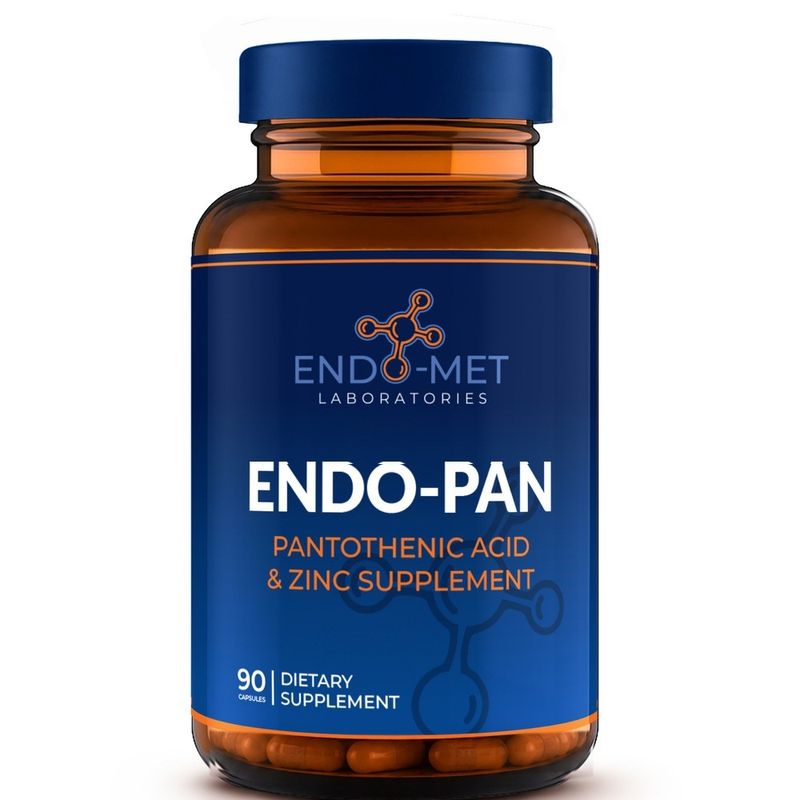
Endo-met Endo-Pan (90 Tablets)
Endo-met Endo-Pan (90 Tablets)
Targeted Support for Adrenal Health and Energy Production
SKU 1053
$24.00
Raise Na/K
Endo-met Limcomin (180 Tabs)
Endo-met Limcomin (180 Tabs)
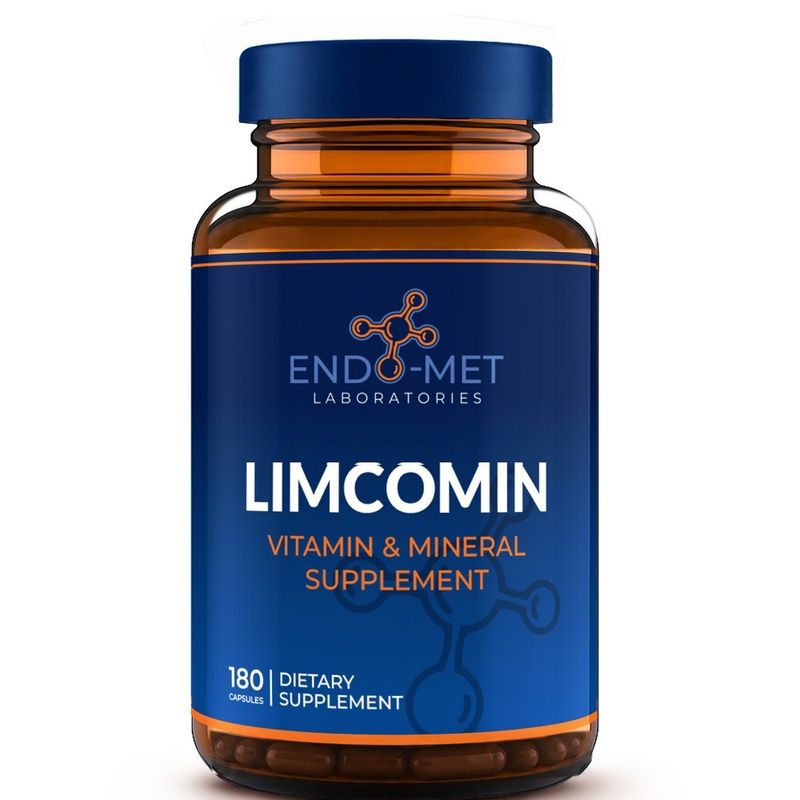
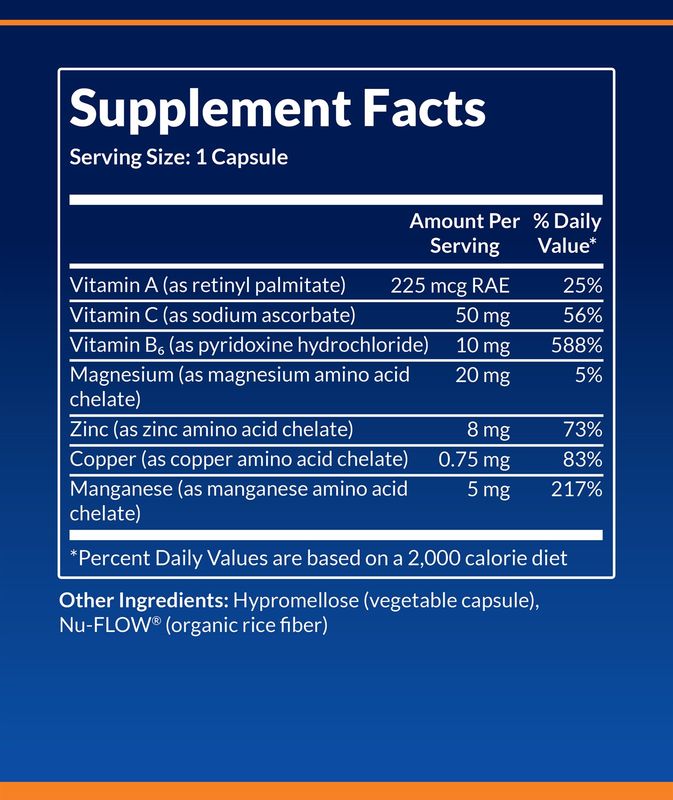
Restore Sodium-Potassium Balance and Boost Immunity – Comprehensive Mineral Support
SKU 1060
$51.00
Raise Na/K
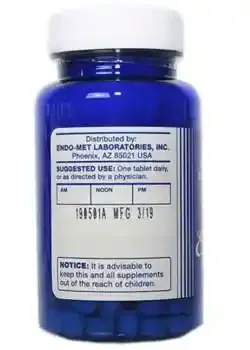
Endo-met Limcomin (90 Tablets)
Endo-met Limcomin (90 Tablets)
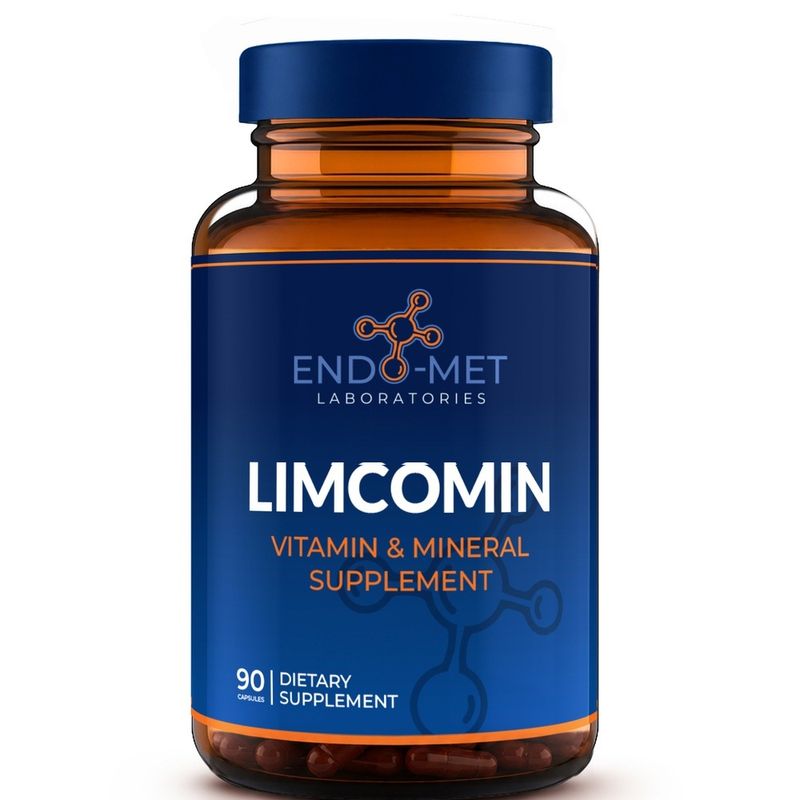
Balance Sodium and Potassium Levels for Enhanced Immunity and Health
SKU 1059
$26.00
Slow Oxidizer
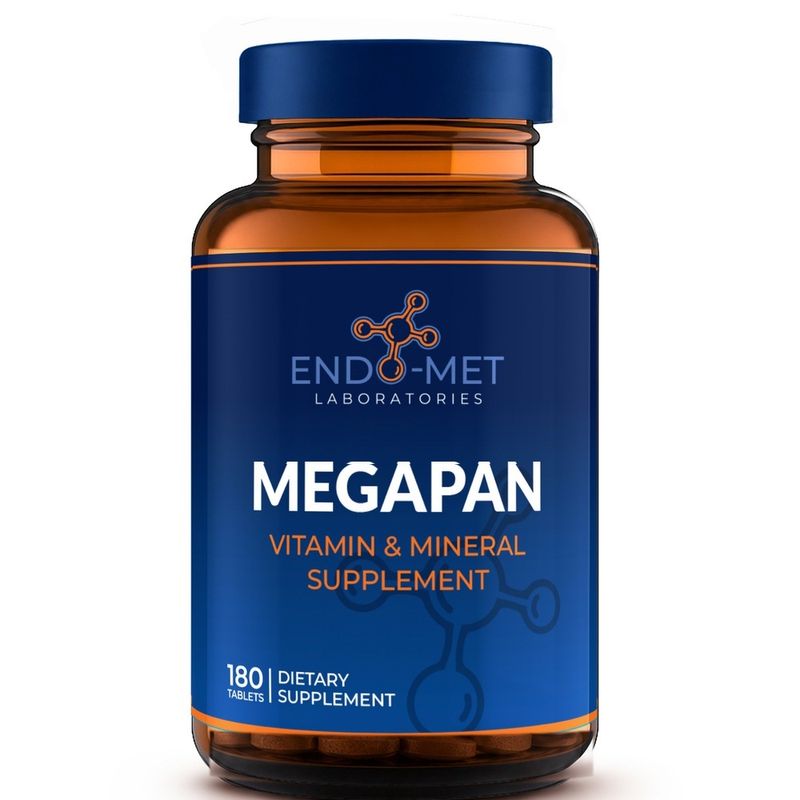
Endo-met Megapan (180 Tablets)
Endo-met Megapan (180 Tablets)
Boost Metabolic Health and Vitality with Megapan – Targeted Nutrition for Slow Oxidizers
SKU 1062
$55.00
Slow Oxidizer
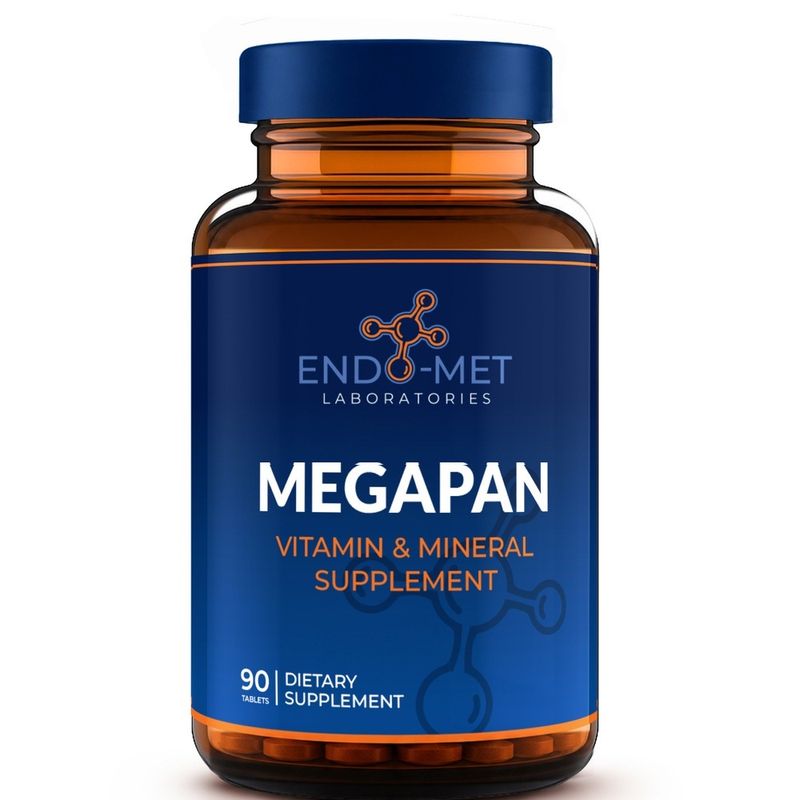
Endo-met Megapan (90 Tablets)
Endo-met Megapan (90 Tablets)
Fuel Your Body's Metabolic Needs – Specialized Nutrition for Sustained Vitality in Slow Oxidizers
SKU 1061
$28.00
Slow Oxidizer
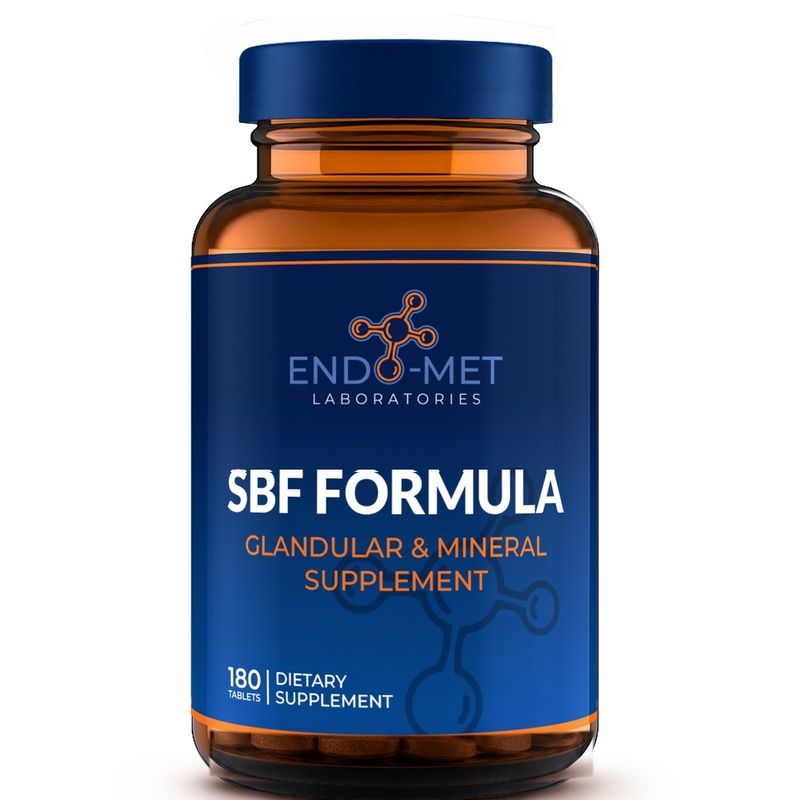
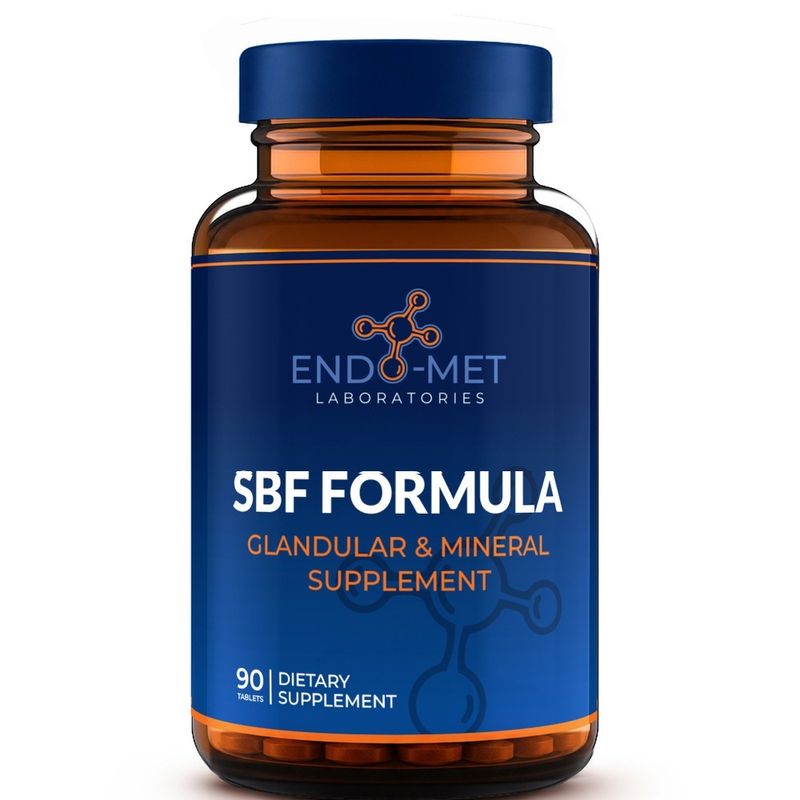
Endo-met SBF Formula (180 Tablets)
Endo-met SBF Formula (180 Tablets)
A blend of minerals, vitamins, and glandular extracts to boost energy and detoxification, ideal for slow oxidizers and adrenal fatigue.
SKU 1070
$55.00
Slow Oxidizer
Endo-met SBF Formula (90 Tablets)
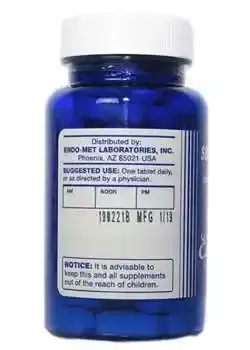
Endo-met SBF Formula (90 Tablets)
Targeted Nutrients for Boosting Cellular Energy and Enhancing Heavy Metal Detoxification – Ideal for Adrenal Burnout Recovery
SKU 1069
$28.00
Fast Oxidizer
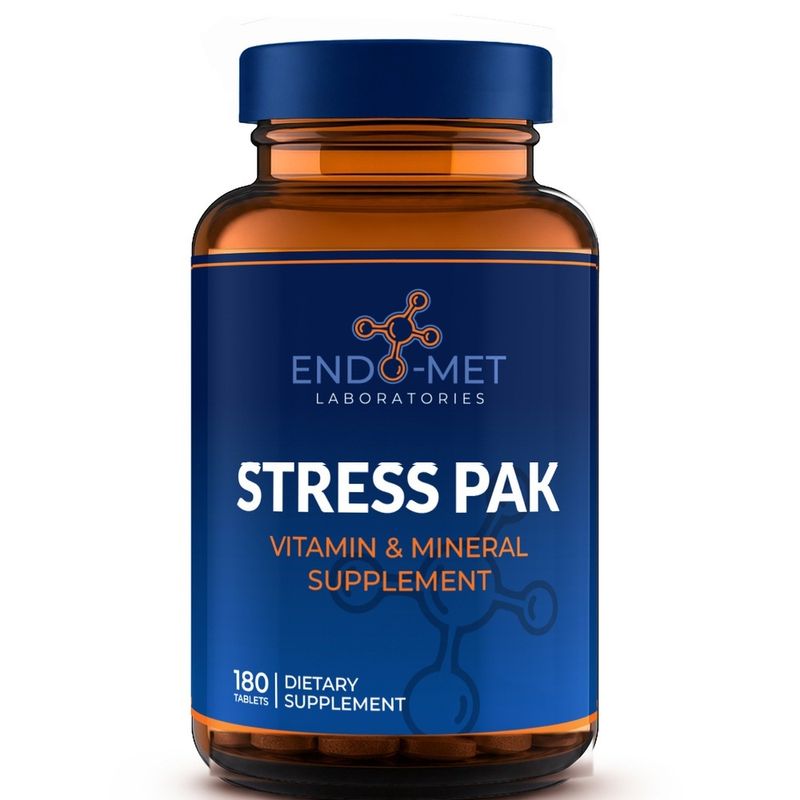
Endo-met Stress Pak (180 Tablets)
Endo-met Stress Pak (180 Tablets)
Balance Metabolism and Manage Stress for Fast Oxidizers with Essential Vitamins and Minerals
SKU 1072
$47.00
Fast Oxidizer
Endo-met Stress Pak (90 Tablets)
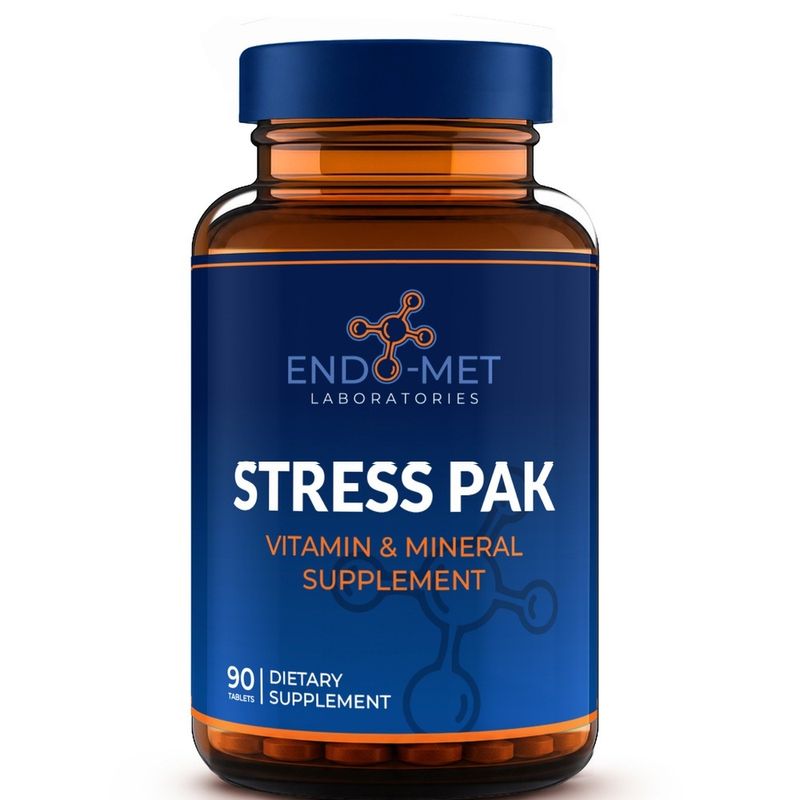
Endo-met Stress Pak (90 Tablets)
A metabolic multivitamin designed to reduce the rate of metabolism in fast oxidizers, providing targeted support with essential vitamins and minerals.
SKU 1071
$24.00
Fast Oxidizer
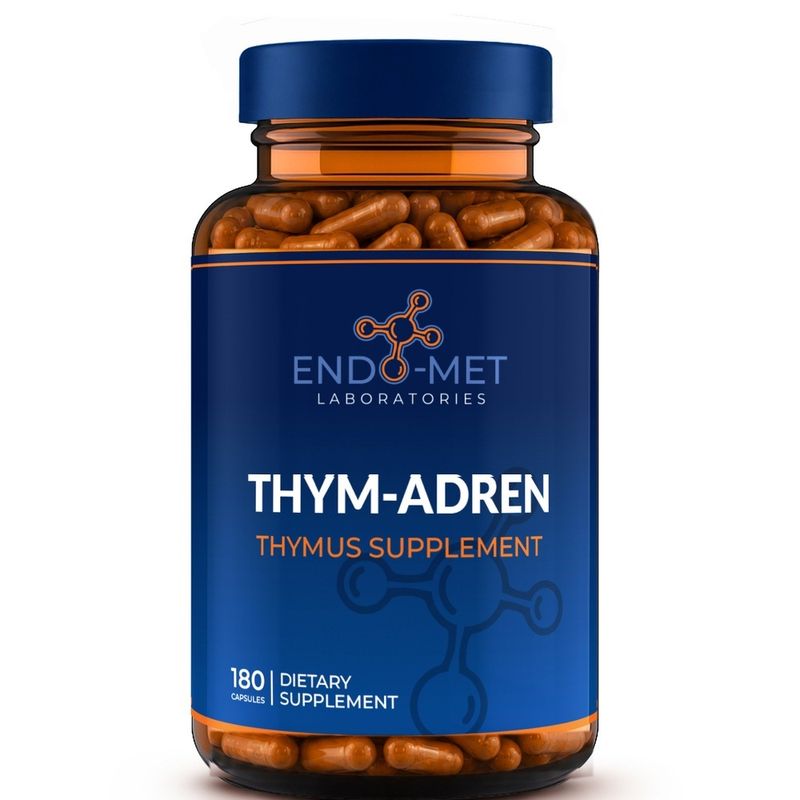
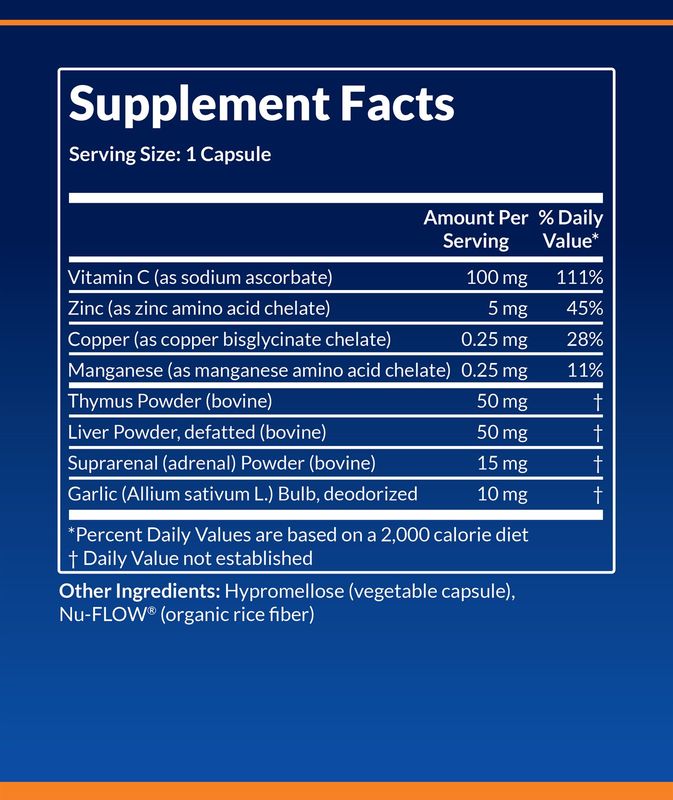
Endo-met Thym-Adren (180 Capsules)
Endo-met Thym-Adren (180 Capsules)
A synergistic blend of thymus and adrenal extracts combined with vital nutrients to support adrenal health and metabolism in fast oxidizers.
SKU 1076
$47.00
Fast Oxidizer
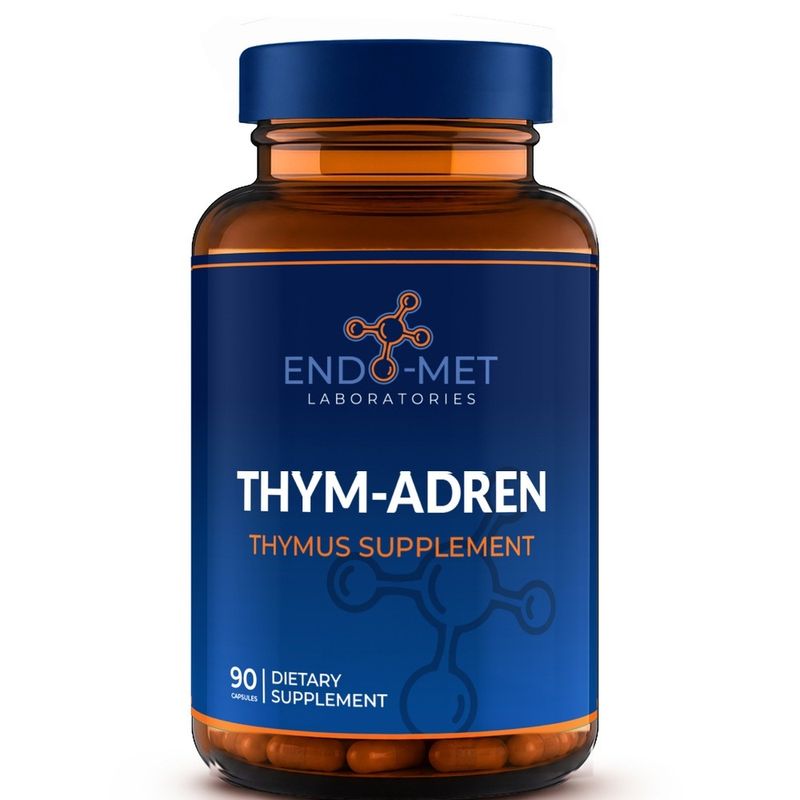
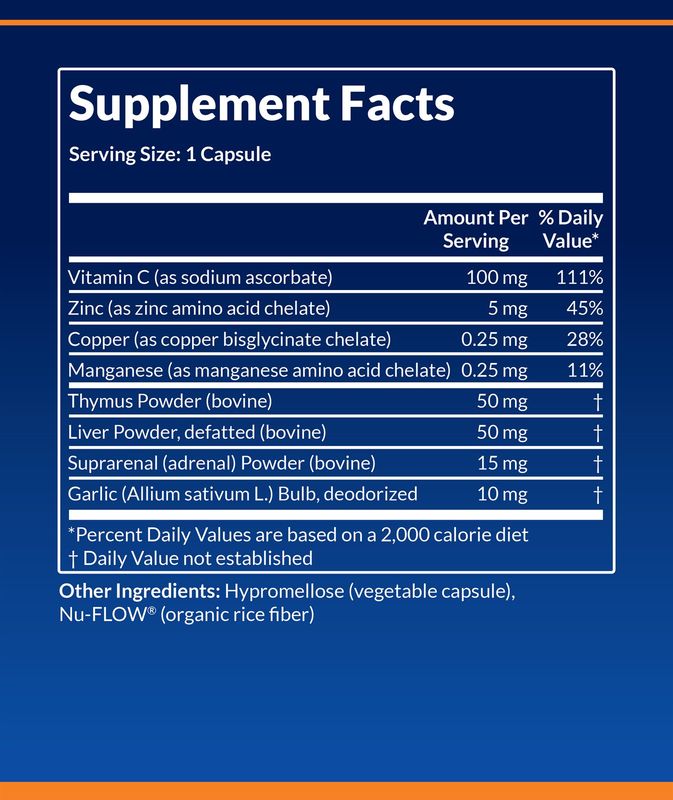
Endo-met Thym-Adren (90 Capsules)
Endo-met Thym-Adren (90 Capsules)
A synergistic blend of thymus and adrenal gland extracts with vital nutrients designed to support metabolic balance in fast oxidizers.
SKU 1075
$24.00
Slow Metabolic Type
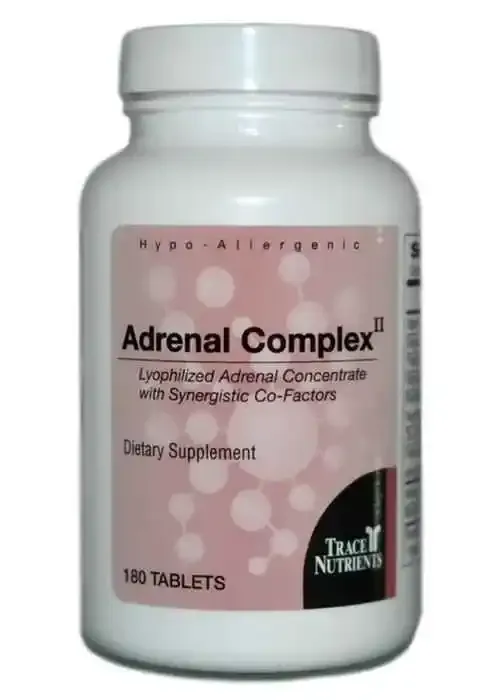
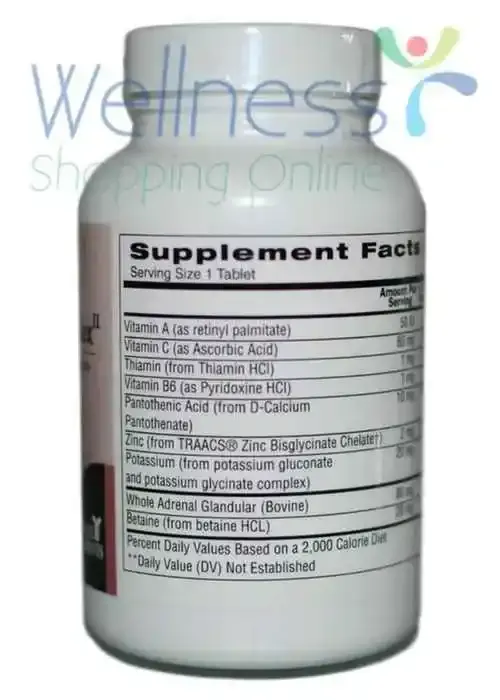
Trace Elements Adrenal Complex II (180 Tablets)
Trace Elements Adrenal Complex II (180 Tablets)
A hypoallergenic formula designed for adrenal gland support, combining lyophilized adrenal concentrate with essential vitamins and patented chelated minerals.
SKU 1362
$34.80
Slow Metabolic Type
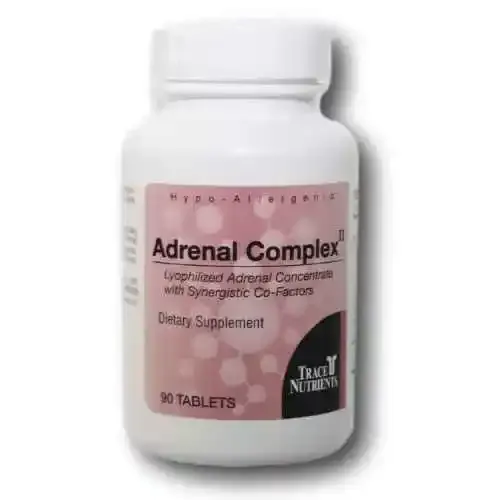
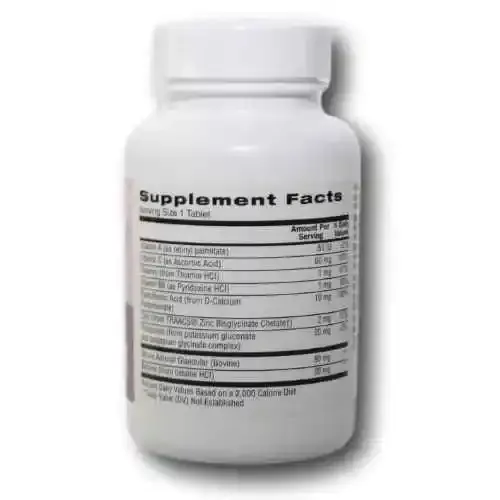
Trace Elements Adrenal Complex II (90 Tablets)
Trace Elements Adrenal Complex II (90 Tablets)
A hypoallergenic formula designed for adrenal gland support, combining lyophilized adrenal concentrate with essential vitamins and patented chelated minerals.
SKU 1361
$18.40