Hormone Balance
Shop By Health Concern
Hormone Balance
Hormone work divides cleanly into two questions: how much is being made, and how well it is being metabolized afterwards. The second is where most of these formulas act.
- Estrogen metabolism
- DIM & cruciferous extracts
- Women’s tonic formulas
- Saliva & urine panels
Metabolism matters as much as production
Hormones are made, used, and then cleared. Difficulty at the clearing stage produces symptoms that look like a production problem but do not respond like one.
Pathways
Estrogen metabolism
Cruciferous compounds including DIM influence which metabolites estrogen is converted into, supporting the more favourable pathways. This is metabolism rather than suppression or replacement.
Clearance
Liver and bowel
Conjugated hormones leave through bile and bowel. Sluggish elimination allows recirculation, which is why hormone work so often includes attention to digestion and liver support.
Traditional
Blood and Jing tonics
Chinese herbalism approaches cycle comfort and transitions through blood-building and Jing-replenishing formulas taken over months rather than through targeted intervention.
Two starting points
Test-led
Saliva and dried urine panels map the sex hormones, their metabolites and the adrenal rhythm across a full day. For anyone with a complicated picture, starting from data rather than symptoms saves considerable time and money.
Formula-led
DIM and cruciferous extracts, or the traditional women’s formulas, are reasonable starting points when the picture is straightforward and the goal is general support rather than resolving something specific.
Copper, and why it comes up here
Copper and estrogen are linked in this framework, and copper accumulation is one of the patterns most often found underneath complaints that present as hormonal. Because copper does not always accumulate in hair, it is read through its effects — a raised calcium with lowered potassium being the characteristic signature — rather than from the copper number alone.
The zinc to copper relationship is the more informative reading, with the ideal sitting near 8 to 1. Seeing that relationship enables a trained practitioner to design a program tailored to your specific biochemistry instead of working from symptoms that several different patterns can produce.
A note on testing. Hormone panels and hair tissue mineral analysis answer different questions and work well together. A panel measures the hormones themselves; a hair tissue mineral analysis shows the mineral conditions and toxic element exposure underneath. Blood work adds a third view. The interpretive framework comes from the combined work of Dr. Paul Eck, Dr. Lawrence Wilson and Dr. David Watts at Trace Elements Inc.
Why I look for copper first — Eileen Durfee
When someone describes cycle difficulties, mood swings that track the month, or a menopause transition that feels harder than it should, copper is the first thing I go looking for on the chart.
The complication is that copper frequently does not show up in hair at all — it accumulates in the liver, the brain and other organs instead. So a normal-looking copper number proves very little. What I read instead is the pattern it leaves behind: copper tends to raise calcium and lower potassium, and that combination is recognisable even when the copper value itself looks unremarkable.
The link back to the adrenals matters here too. Binding copper properly depends on adrenal strength, so when the sodium/potassium ratio has inverted, copper commonly becomes biounavailable and starts accumulating. That is a hormonal picture with an adrenal cause, and treating it as purely hormonal tends not to hold.
It is also why I read the zinc to copper ratio rather than either number alone. The ideal sits near 8 to 1, and the ratio tells me things neither value does by itself.
Where to start
Bioclinic Naturals EstroVantage Em (90 Vegetarian Capsules)Cruciferous extracts with glucosinolates, directing estrogen metabolites toward favourable pathways. Dragon Herbs Endocrine Health (100 Capsules)Adaptogenic formula supporting adrenal, thyroid and thymus function together. Dragon Herbs Natural Woman (100 Capsules)Bupleurum and peony, the classic formula for cycle-related mood and hormonal balance. Dragon Herbs Four Things (100 Capsules)Dang Gui four combination, a womens blood tonic for circulation and cycle comfort. Dried Urine Hormones - Sex, Thyroid, AdrenalFull sex, thyroid and adrenal panel with cortisol curves and estrogen metabolites. Hormone Test 24 Hour SalivaSix-point circadian saliva collection measuring cortisol, DHEA-S and sex hormones.
Common questions
What does DIM actually do?
DIM influences which metabolites estrogen is converted into, supporting a more favourable balance between them. It is working on metabolism rather than adding or blocking hormone.
Should I test hormones or minerals first?
They answer different questions. A hormone panel measures the hormones and their metabolites; a hair tissue mineral analysis shows the mineral conditions and toxic element exposure underneath. If the picture is complicated, having both is genuinely more useful than choosing.
Why does copper keep coming up in hormone conversations?
Copper and estrogen are linked in this framework, and copper accumulation frequently underlies complaints that present as hormonal. Because copper does not reliably accumulate in hair, it is read through its effects on calcium and potassium rather than from the copper level alone.
Are these formulas suitable during menopause?
Several are used through that transition, particularly the cruciferous and traditional tonic formulas. Because individual situations vary considerably, this is worth shaping with a provider who knows your history.
Do men need anything in this category?
Yes. Estrogen metabolism matters for men too, and formulas such as Unlock address prostate and pelvic circulation specifically. The traditional Jing tonics are used by both.
Hormonal picture, or an adrenal one wearing its clothes?
Copper accumulation and adrenal depletion produce complaints that look hormonal but do not respond as such. A hair tissue mineral analysis shows the pattern underneath, and pairs well with a hormone panel.
These statements have not been evaluated by the Food and Drug Administration. These products are not intended to diagnose, treat, cure, or prevent any disease. Wellness Shopping Online is operated by Nuco Enterprise Solutions LLC. Your healthcare provider can help you shape a program that fits your individual situation.
Refine by
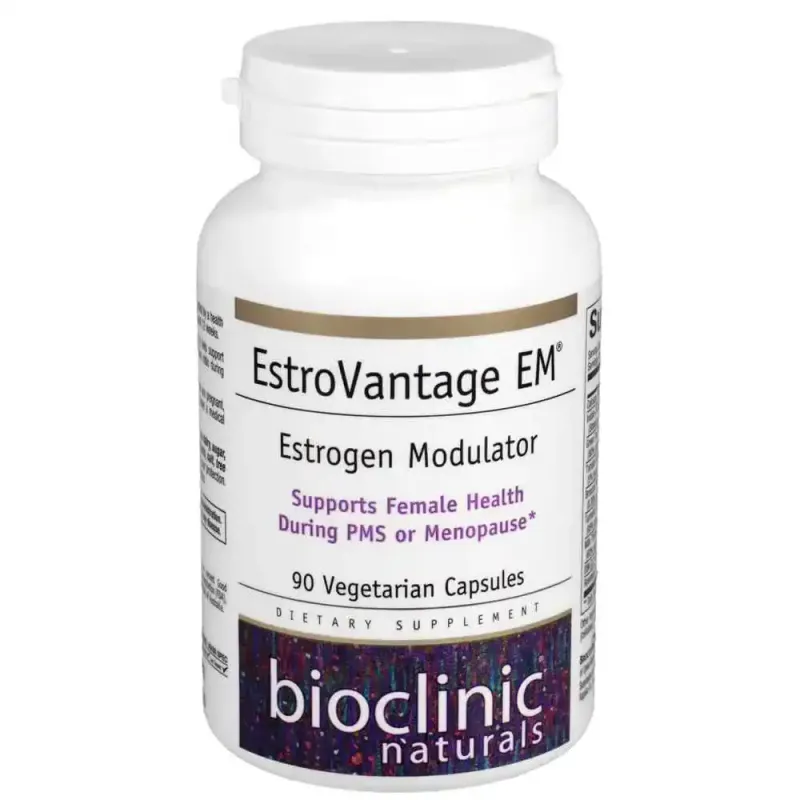
Bioclinic Naturals EstroVantage Em (90 Vegetarian Capsules)
Bioclinic Naturals EstroVantage Em (90 Vegetarian Capsules)
Enhances estrogen processing and supports optimal estrogen balance
SKU 2226
$48.23
Qi Regulating
Dragon Herbs Bupleurum & Cyperus (100 Capsules)
Dragon Herbs Bupleurum & Cyperus (100 Capsules)
Promote digestive balance and Qi circulation with Cyperus Formulation by Dragon Herbs. This time-tested herbal blend supports digestion, liver health, and energy flow for enhanced wellness.
SKU 2173
$29.00
Jing Tonic
Dragon Herbs Endocrine Health (100 Capsules)
Dragon Herbs Endocrine Health (100 Capsules)
Holistic Endocrine Support with Jing, Qi, and Shen
SKU 2165
$30.00
Blood Tonic
Dragon Herbs Four Things (100 Capsules)
Dragon Herbs Four Things (100 Capsules)
A quintessential blood tonic formula supporting women's health, promoting healthy blood circulation, and nourishing Yin and Yang for vitality.
SKU 1980
$27.00
Blood Tonic
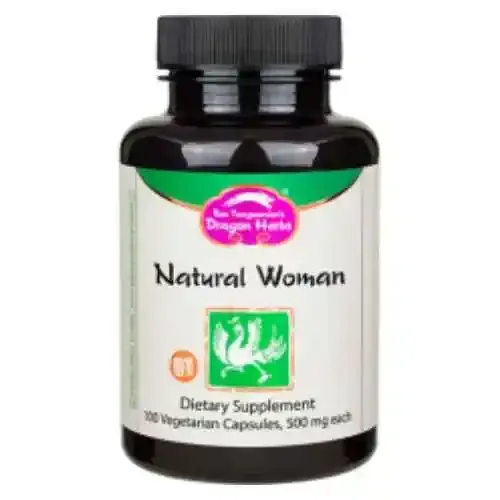
Dragon Herbs Natural Woman (100 Capsules)
Dragon Herbs Natural Woman (100 Capsules)
A classic women’s formula to support hormonal balance, stabilize mood, and promote healthy menstruation.
SKU 1981
$24.00
Yin Tonic
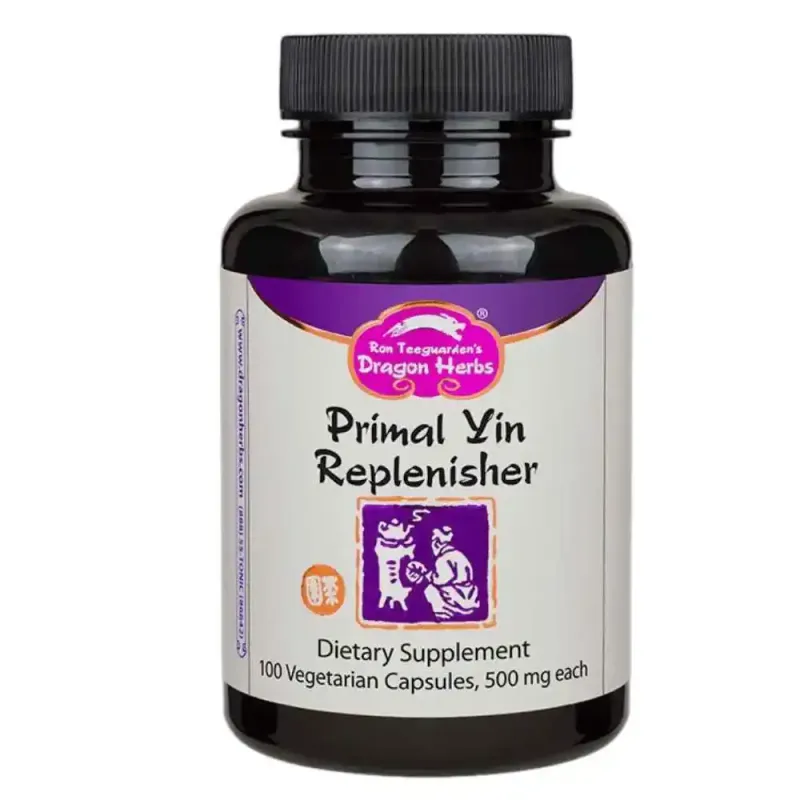
Dragon Herbs Primal Yin Replenisher (100 Capsules)
Dragon Herbs Primal Yin Replenisher (100 Capsules)
Powerful Yin tonic to recharge and restore vitality.
SKU 2155
$27.00
Jing Tonic
Dragon Herbs Profound Essence (100 Capsules)
Dragon Herbs Profound Essence (100 Capsules)
A deeply restorative Jing tonic that replenishes Yin and Yang, supports recovery from stress and aging, and promotes overall vitality.
SKU 1976
$25.00
Yin Tonic
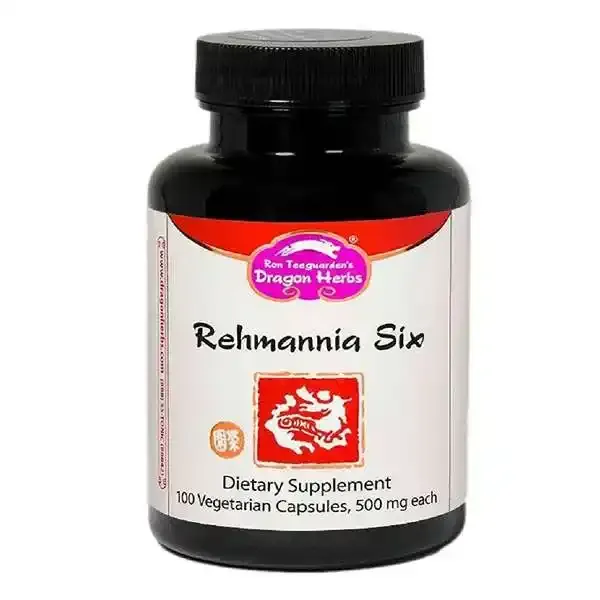
Dragon Herbs Rehmannia Six Combination (100 Capsules)
Dragon Herbs Rehmannia Six Combination (100 Capsules)
Classic Yin Jing tonic for supporting kidney health, metabolism, and aging.
SKU 2052
$26.00
Blood Tonic
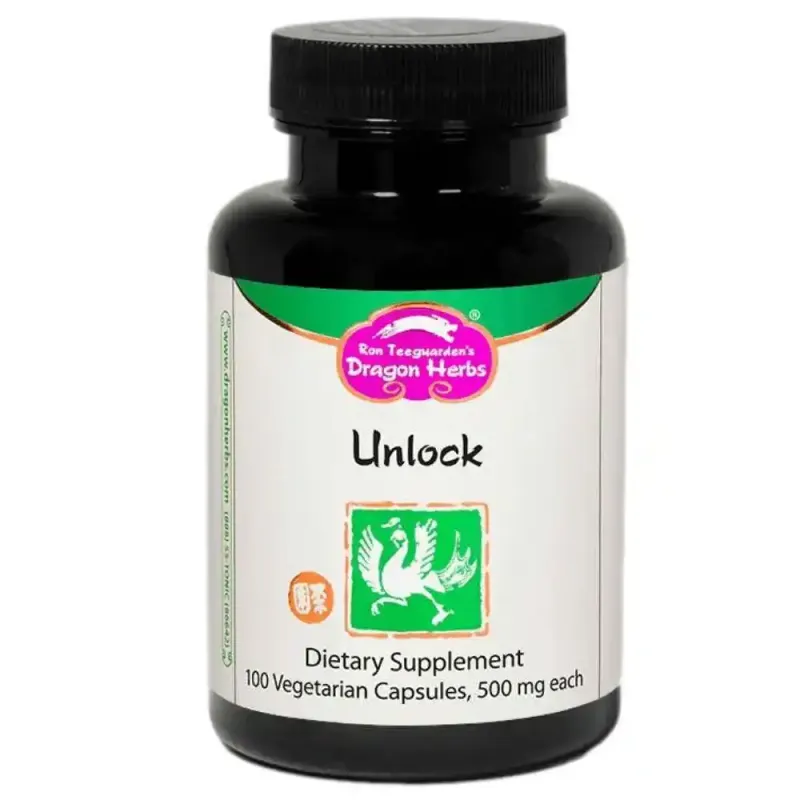
Dragon Herbs Unlock (100 Capsules)
Dragon Herbs Unlock (100 Capsules)
Support Pelvic Health, Relaxation, and Overall Vitality with a Time-Tested Herbal Formula
SKU 2179
$29.00
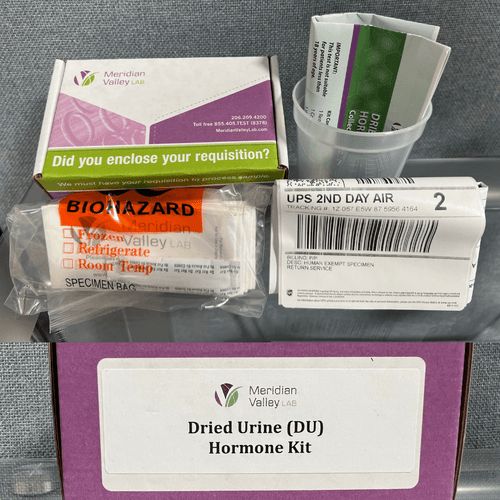
Dried Urine Hormones - Sex, Thyroid, Adrenal
Dried Urine Hormones - Sex, Thyroid, Adrenal
Sex, Thyroid, Adrenal Hormone and Metabolites
SKU 2124
$700.00
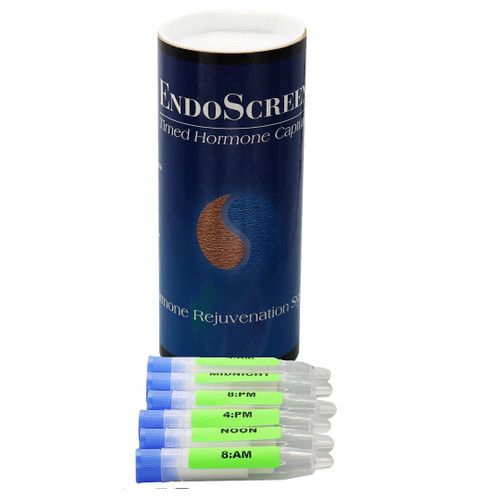
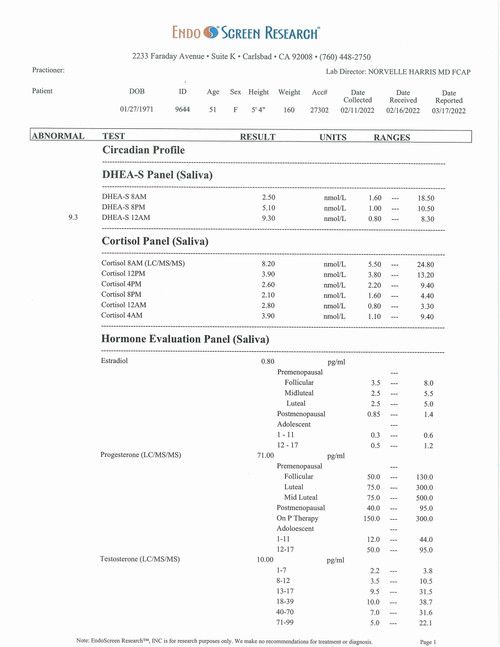
Labs
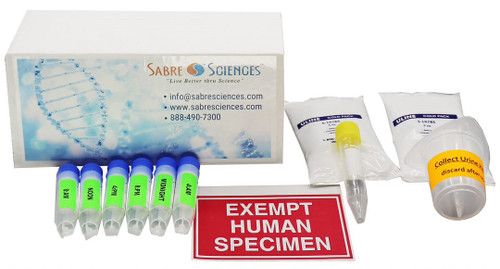
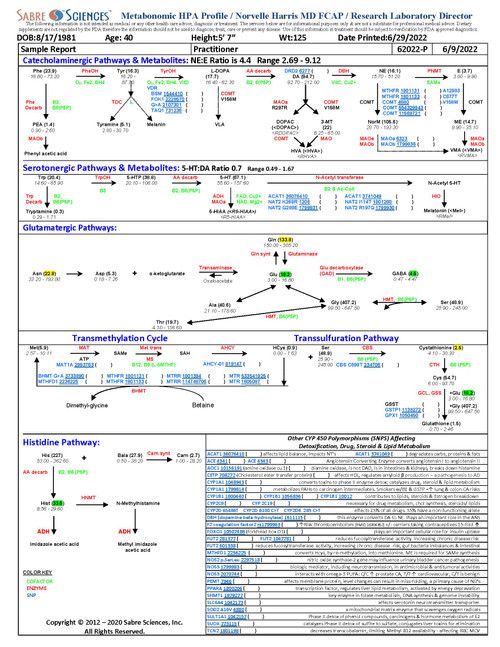
HPA 4 Amino Acid + Hormone Profile
HPA 4 Amino Acid + Hormone Profile
Combines amino acid and hormone testing with custom crèmes for a complete health evaluation and personalized support
SKU 2087
$911.00
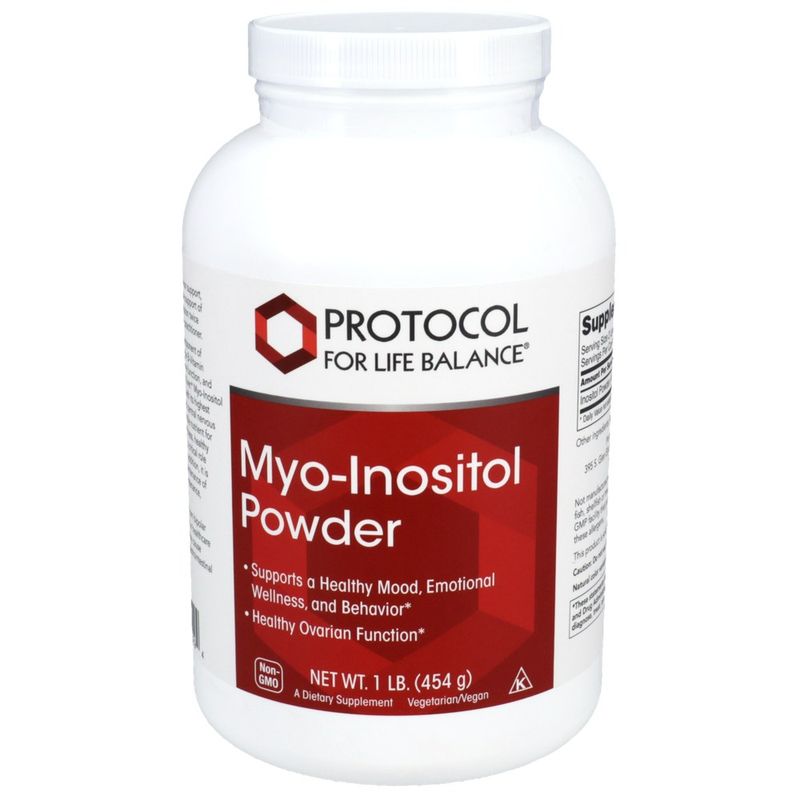
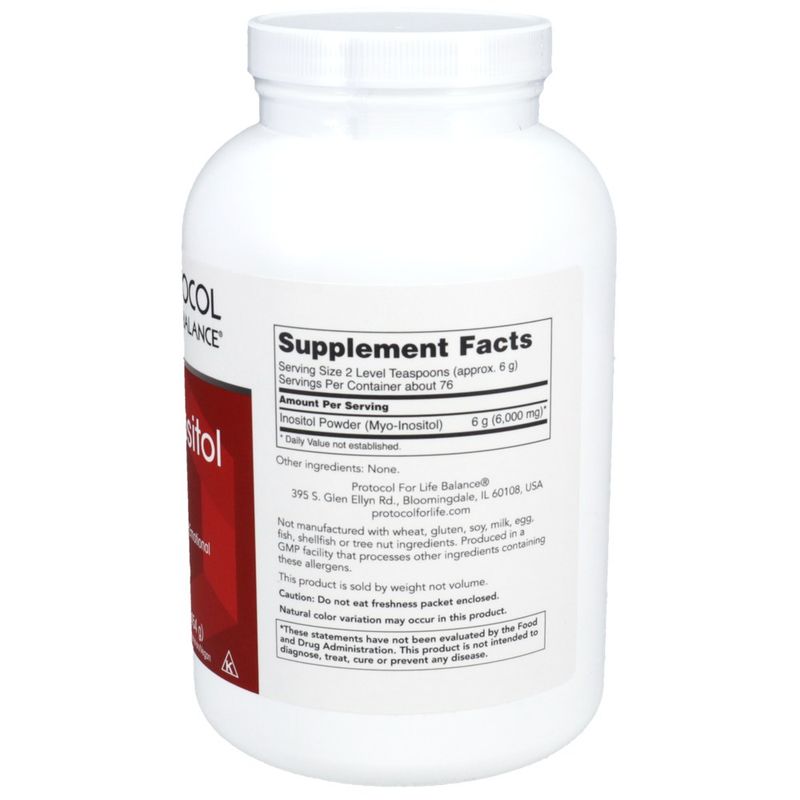
Protocol for Life Balance Myo-Inositol Powder (1 lb)
Protocol for Life Balance Myo-Inositol Powder (1 lb)
Pure myo-inositol powder - 6,000 mg per serving for mood, ovarian and blood sugar support*
SKU 2360
$62.00