Na/K Ratio Support
Curated by Eileen Durfee, founder of Nuco Enterprise Solutions LLC, the owner of the Wellness Shopping Online brand · Updated August 2026
Na/K ratio support — the stress ratio on your chart
The sodium-to-potassium ratio is one of the most watched numbers on a hair tissue mineral analysis — often called the vitality ratio, with an ideal near 2.5:1 (Analytical Research Labs; Trace Elements uses 2.4:1). It reflects how the body is holding up under stress: a low Na/K pattern tends to accompany long-running stress and exhaustion, while a high Na/K pattern leans the other way, toward an over-driven state.
How to read this collection. The badge on each product tells you which direction it works: Raise Na/K formulas (Limcomin, copper, manganese, vitamin E) are used when the report shows the ratio low; Lower Na/K support (zinc) is used when the ratio runs normal to high. Direction and amounts come off your report — supplementing the wrong side of this ratio works against the programme, which is exactly why these carry their own badges.
Don’t know your ratio? A hair tissue mineral analysis reports it directly, with the rest of your mineral pattern around it. If you already have a report and want help reading the ratios, that is what our text support is for.
Working a broader pattern? See Slow Oxidizer Support and Fast Oxidizer Support.
These statements have not been evaluated by the Food and Drug Administration. These products are not intended to diagnose, treat, cure or prevent any disease. Hair tissue mineral analysis is a screening tool for nutritional and toxic element status. Your healthcare provider can help you fit any programme into a plan that suits you.
Refine by
Raise Na/K
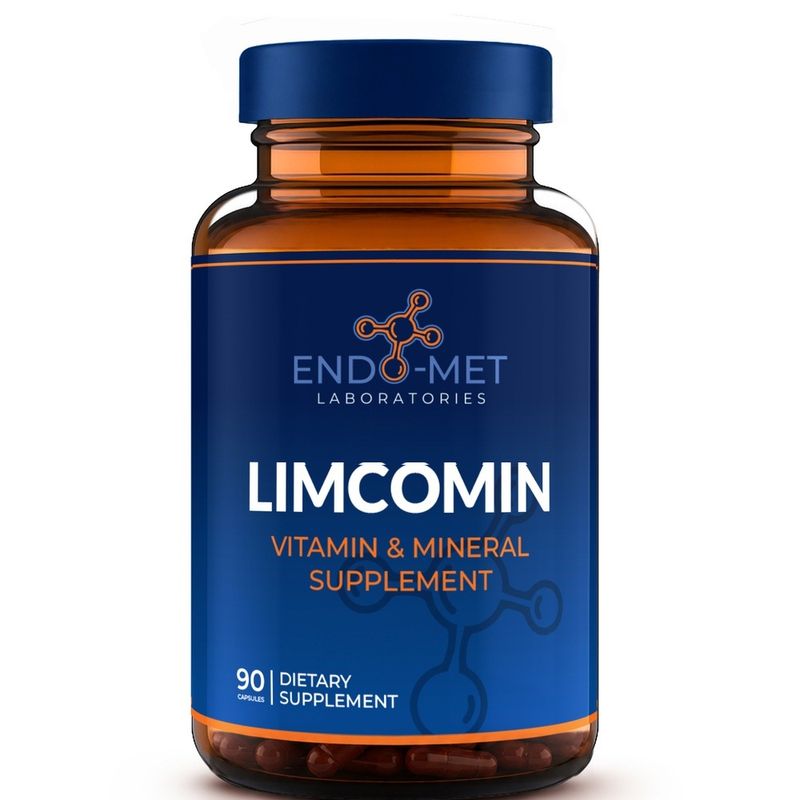
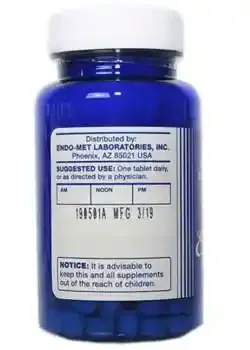
Endo-met Limcomin (90 Tablets)
Endo-met Limcomin (90 Tablets)
Balance Sodium and Potassium Levels for Enhanced Immunity and Health
SKU 1059
$26.00
Raise Na/K
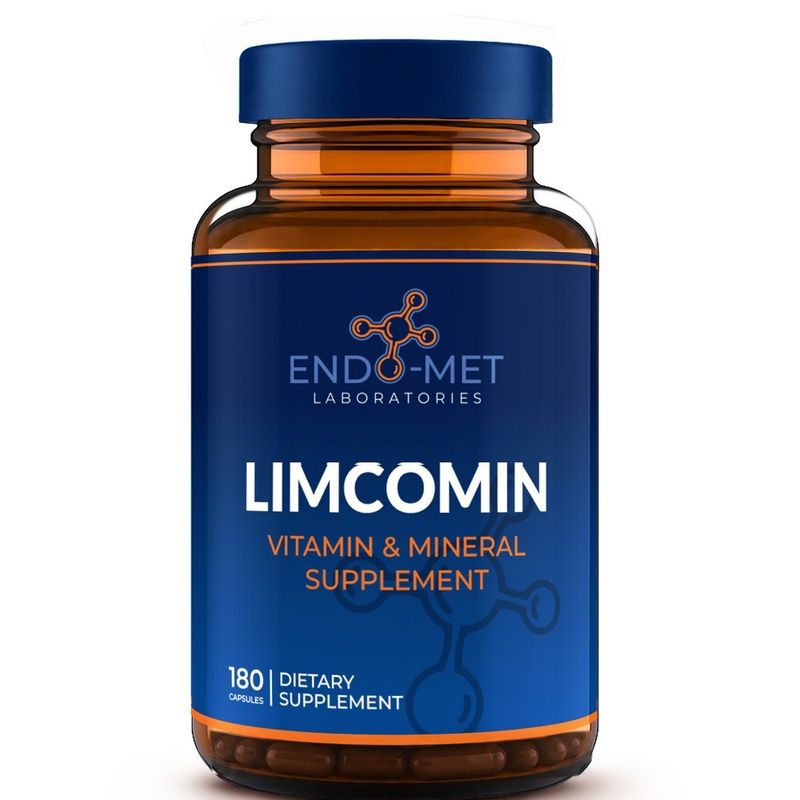
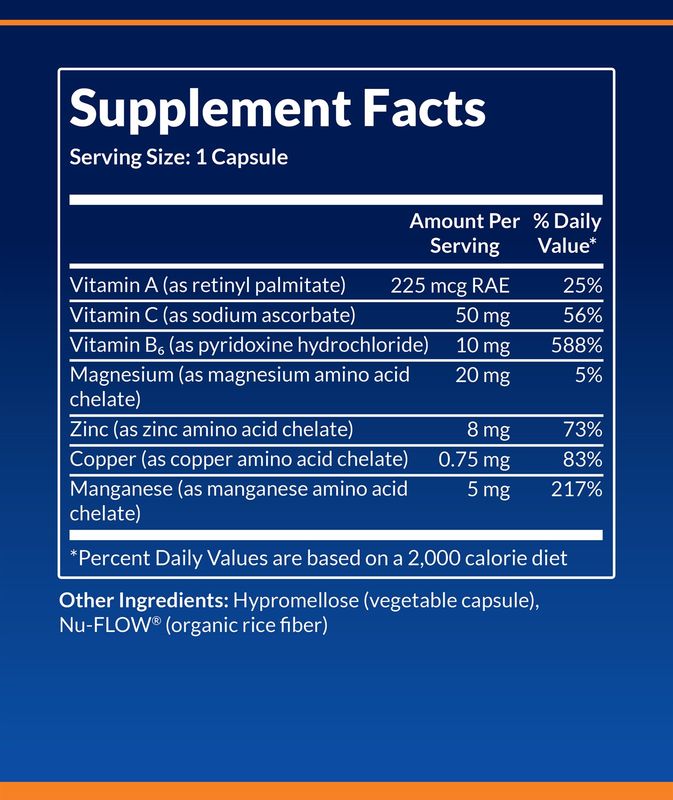
Endo-met Limcomin (180 Tabs)
Endo-met Limcomin (180 Tabs)
Restore Sodium-Potassium Balance and Boost Immunity – Comprehensive Mineral Support
SKU 1060
$51.00
Raise Na/K
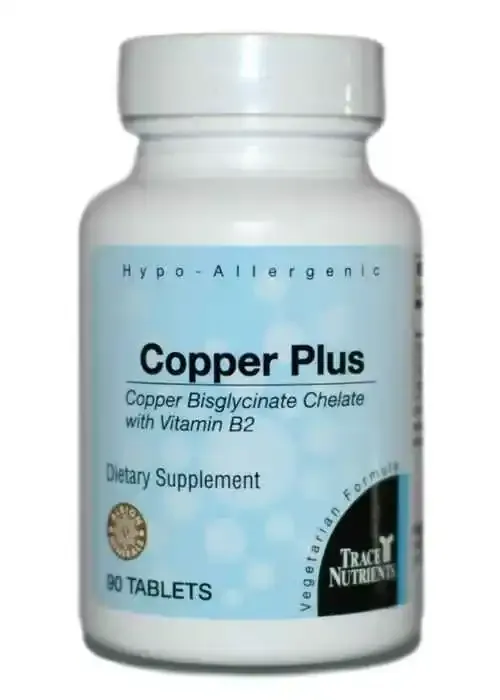
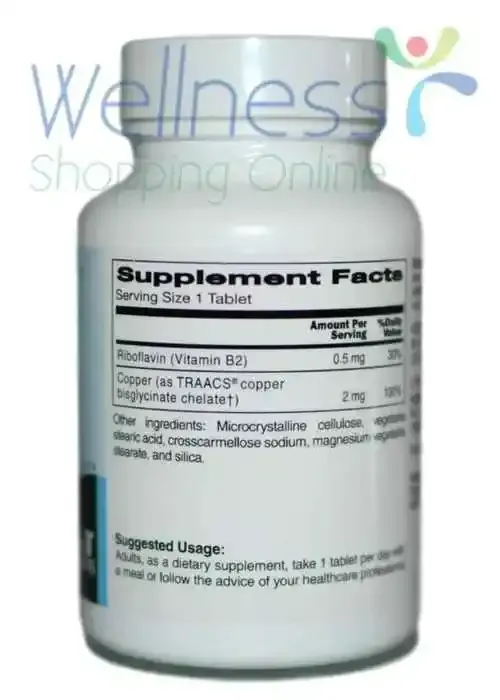
Trace Elements Copper Plus (90 Tablets)
Trace Elements Copper Plus (90 Tablets)
A hypoallergenic formula combining copper bisglycinate chelate with Vitamin B2 to support enzymatic function, energy production, and connective tissue health.
SKU 1369
$10.60
Raise Na/K

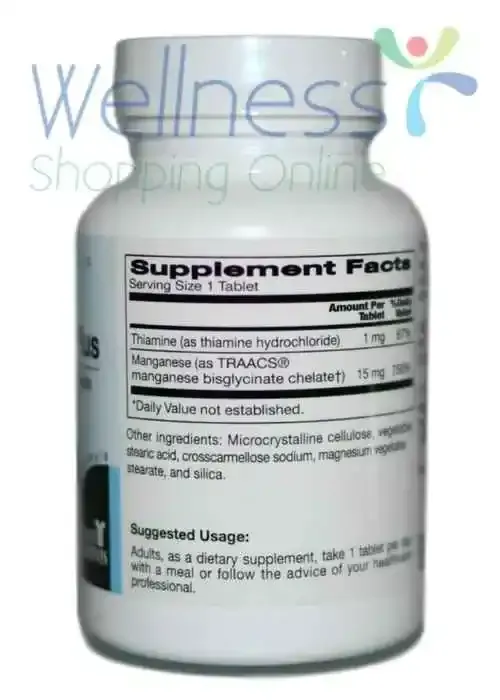
Trace Elements Manganese Plus II (90 Tablets)
Trace Elements Manganese Plus II (90 Tablets)
A hypoallergenic blend of manganese bisglycinate and aspartate with Vitamin B1 for enhanced bone health, enzyme function, and antioxidant support.
SKU 1371
$10.80
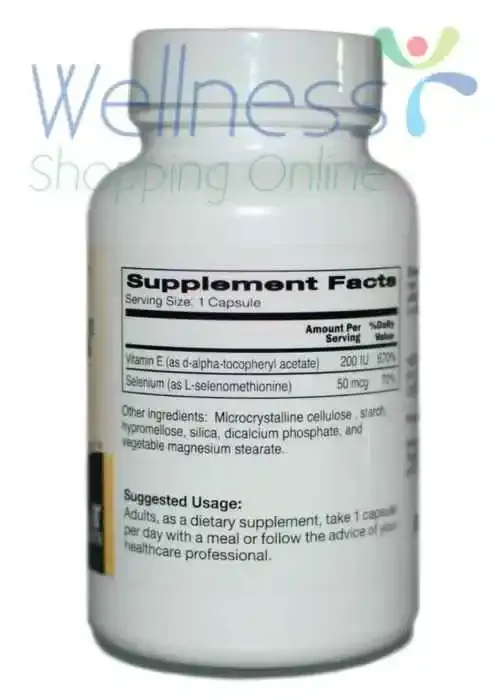

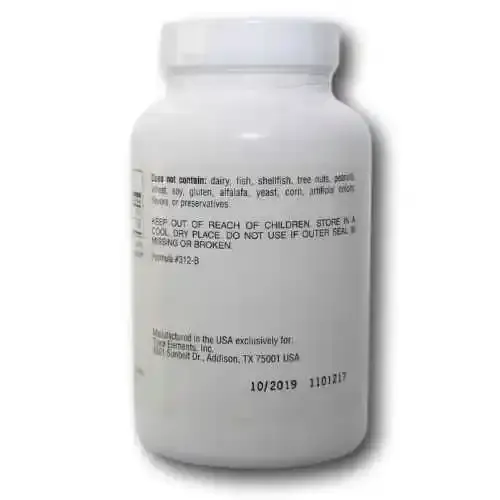
Lower Na/K
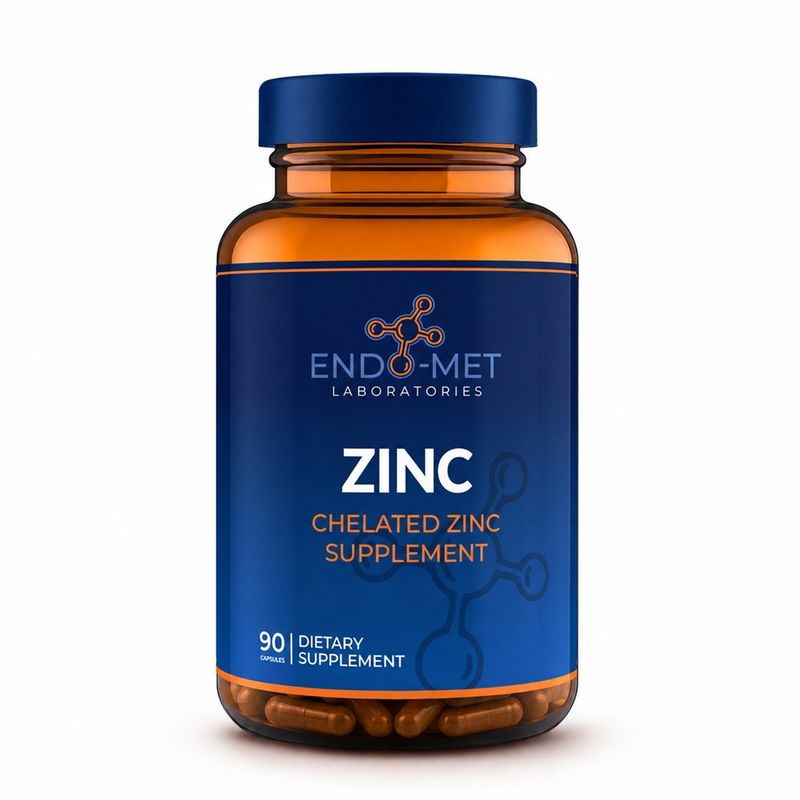
Endo-met Zinc (90 Capsules)
Endo-met Zinc (90 Capsules)
High-Potency Zinc for Immune Function, Detox, and Mineral Balance
SKU 1080
$13.00
Lower Na/K
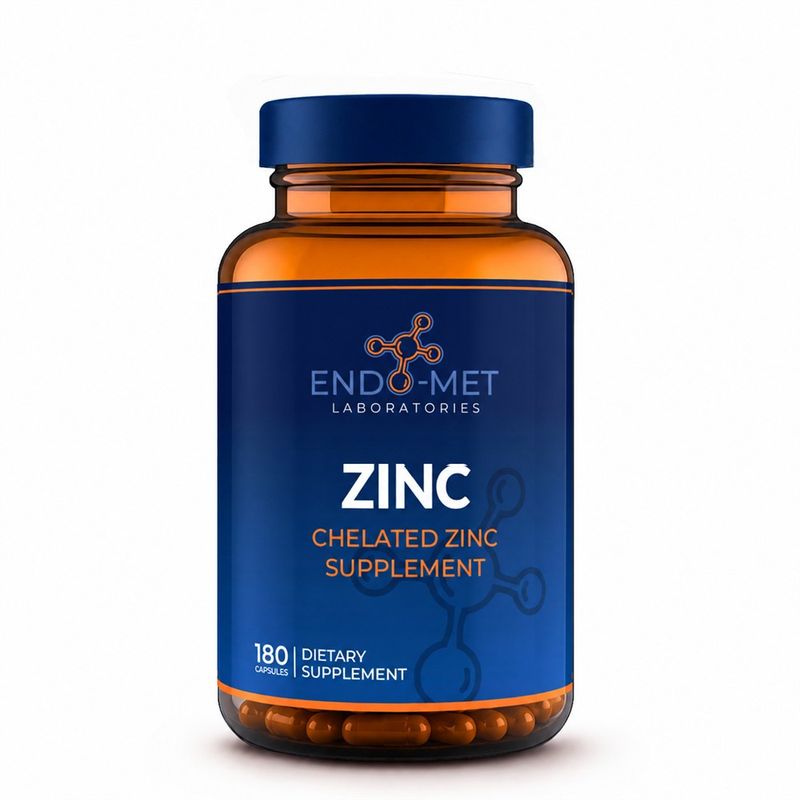
Endo-met Zinc (180 Capsules)
Endo-met Zinc (180 Capsules)
Extended Zinc Support for Immunity, Detox, and Mineral Balance
SKU 1081
$25.00