Detox & Liver Support
Shop By Health Concern
Detox & Liver Support
Detoxification is not an event. It is continuous work done by the liver, kidneys, bile and bowel, and the formulas here support those routes for eliminating rather than forcing anything.
- Glutathione & NAC
- Bile flow
- Kidney support
- Toxic element elimination
The routes for eliminating, in order
Anything mobilized has to leave. That sequencing is the whole reason detoxification is approached gradually rather than aggressively.
Phase I & II
Liver conjugation
The liver converts fat-soluble compounds into water-soluble ones for excretion. Glutathione, N-acetyl cysteine and selenium participate directly, which is why they anchor most liver formulas.
Carrier
Bile flow
Bile is how the liver actually ships conjugated material out. Sluggish bile means material recirculates rather than leaving, so bile support belongs early in the order rather than as an afterthought.
Filtration
Kidneys
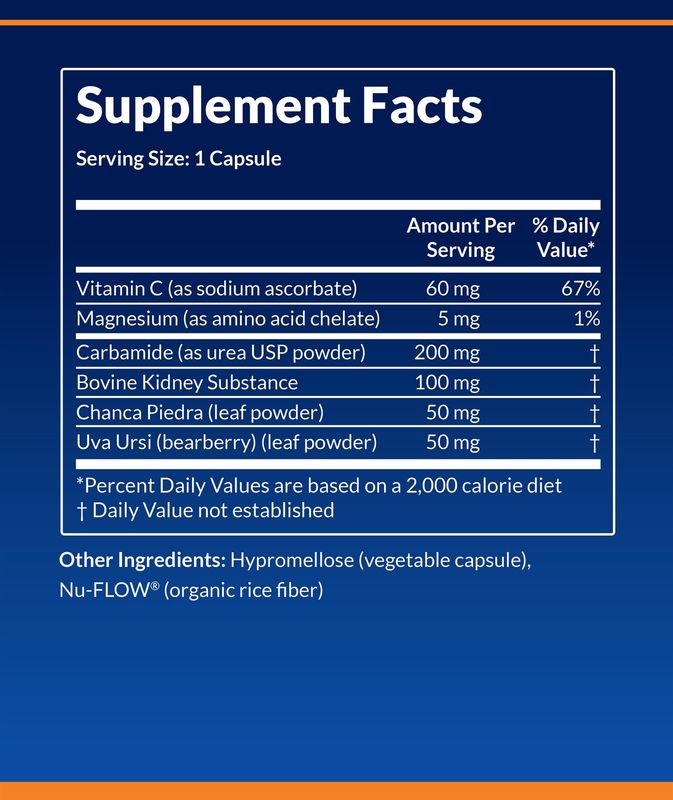
The kidneys clear water-soluble compounds continuously. Uva ursi, carbamide and kidney glandular formulas support that side of elimination.
Support the pathway before mobilizing anything
Open the routes first
Bile flow, bowel regularity and kidney function are the exits. Opening those before pushing mobilization is the difference between elimination and recirculation, and it is the most common sequencing mistake in this category.
Then support conjugation
Glutathione, NAC and selenium support the liver chemistry that prepares compounds for removal. These are the products people usually reach for first, and they work better once the exits are already open.
Why minerals and metals compete
Toxic elements do not simply add themselves to the body. They compete with the nutrient minerals that occupy the same binding sites — lead against calcium, cadmium against zinc. A well-supplied mineral status is itself part of the defense, which is why detoxification and mineral balancing are the same conversation rather than two.
This is also why zinc and selenium appear in both mineral formulas and detoxification protocols. Seeing where those minerals actually sit enables a trained practitioner to design a program tailored to your specific biochemistry rather than applying a general cleanse.
A note on testing. A hair tissue mineral analysis shows toxic element exposure alongside mineral levels, which is a different window from a blood draw — blood reflects recent circulation, tissue reflects accumulation over months. Both belong in the picture. The framework comes from the combined work of Dr. Paul Eck, Dr. Lawrence Wilson and Dr. David Watts at Trace Elements Inc.
Why your first test may understate your metals — Eileen Durfee
This is the thing I most want people to understand before they read their first hair analysis, because otherwise a clean-looking result gets misread as good news.
Toxic metals sequestered deep in tissue often do not show on an initial test. The body has walled them away, and a test measures what is moving, not what is buried. So a first chart can come back with unremarkable metals while a genuine burden is sitting there unmeasured.
What happens next is the part people find counterintuitive. As the program does its work and body chemistry improves, those metals begin to mobilize — and they show up on a later test, often higher than the first one. That rising number is not the program failing. It is the metal finally moving toward the exit, and it is one of the clearest signs the work is doing what it should.
Which is the practical case for retesting every three to five months rather than testing once. A single chart is a snapshot of what is mobile today. The sequence of charts is what actually tells the story — and it is why I would rather someone commit to the retest cadence than buy a longer list of products.
Where to start
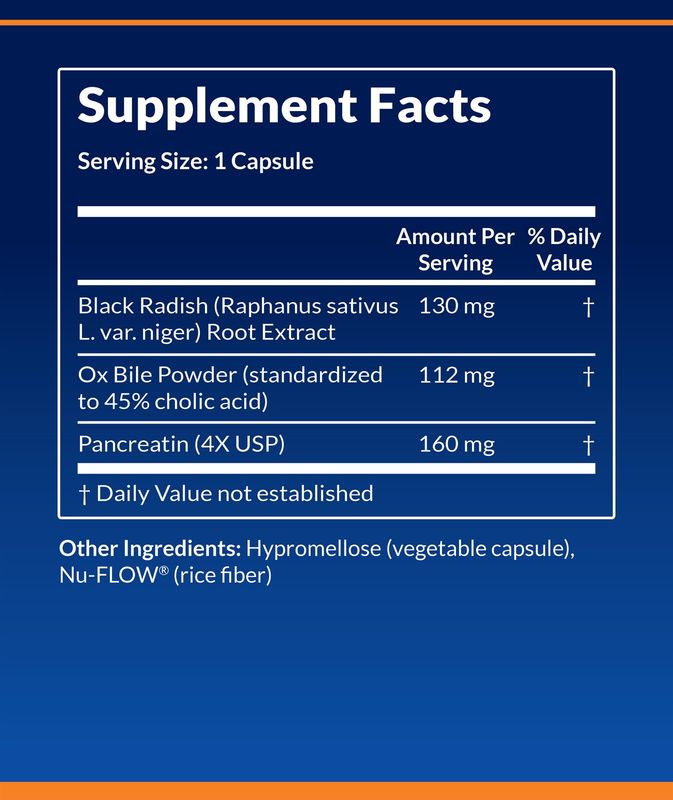
Protocol for Life Balance NAC N-Acetyl Cysteine (100 Capsules)Cysteine precursor with selenium to support the body glutathione production. Endo-met Selenium (180 Capsules)Naturally chelated selenium in a vegetable base, supporting detoxification and antioxidant defense. Dragon Herbs Schizandra (100 Capsules)The quintessential tonic herb, traditionally used for liver support and mental clarity. Endo-met GB-3 (180 Tablets)Black radish, ox bile and pancreatin to stimulate bile flow and fat digestion. Endo-met Renamide (180 Tablets)Uva ursi, carbamide and bovine kidney substance for kidney support. Natural Health Resources Oxy-Mag (180 Capsules)Super-oxygenated magnesium supporting tissue oxygenation and comfortable bowel function. Natural Health Resources Essiac Rejevuvenation TeaThe original five-herb Essiac formula, prepared as a tea.
Common questions
Where should I start with detoxification?
With the exits rather than the mobilizers. Bile flow, bowel regularity and kidney function determine whether anything mobilized actually leaves. Opening those first is what separates elimination from recirculation.
Why did my toxic metals go up on a retest?
That is a common and often encouraging pattern. Metals sequestered in tissue are not always visible on an early test; as body chemistry improves they mobilize and become measurable. A rising number frequently reflects material moving toward elimination rather than new exposure.
How is this different from a cleanse?
A short aggressive cleanse mobilizes quickly without necessarily supporting the routes for eliminating. The approach here is gradual and continuous, matched to your mineral pattern, and it prioritizes the pathways before the mobilization.
Do I need binders?
Sometimes, and sometimes bile and bowel support is sufficient. It depends on what is being mobilized and how well the exits are working, which is a question a current test answers better than a general recommendation can.
How often should I retest?
Every three to five months is the usual cadence. Mineral patterns and metal mobilization shift on that timescale, and the sequence of charts carries more information than any single one.
A clean first chart is not the whole story
Sequestered metals often surface on later tests as body chemistry improves, which is why the retest cadence matters more than any single result. The mailed kit includes a scale — the sample is about a teaspoon of new growth.
These statements have not been evaluated by the Food and Drug Administration. These products are not intended to diagnose, treat, cure, or prevent any disease. Wellness Shopping Online is operated by Nuco Enterprise Solutions LLC. Your healthcare provider can help you shape a program that fits your individual situation.
التحسين حسب
Three Treasures
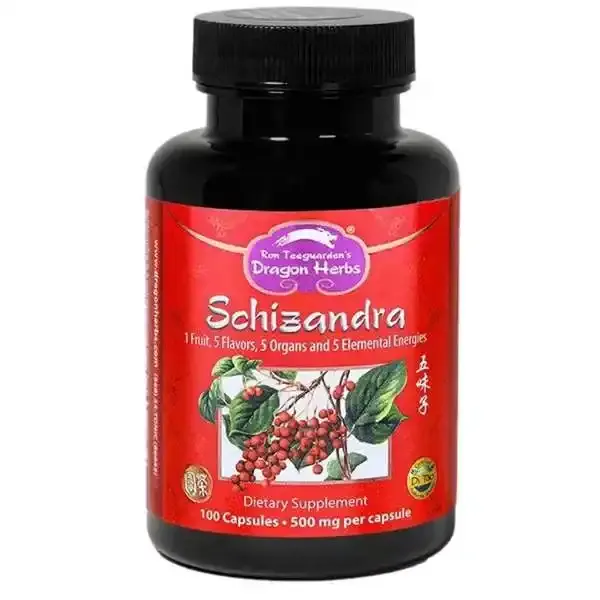
Dragon Herbs Schizandra (100 Capsules)
Dragon Herbs Schizandra (100 Capsules)
Premium Schizandra Capsules – Elevate Vitality, Skin Radiance, and Mental Clarity
SKU 2174
$39.00
Digestive Support
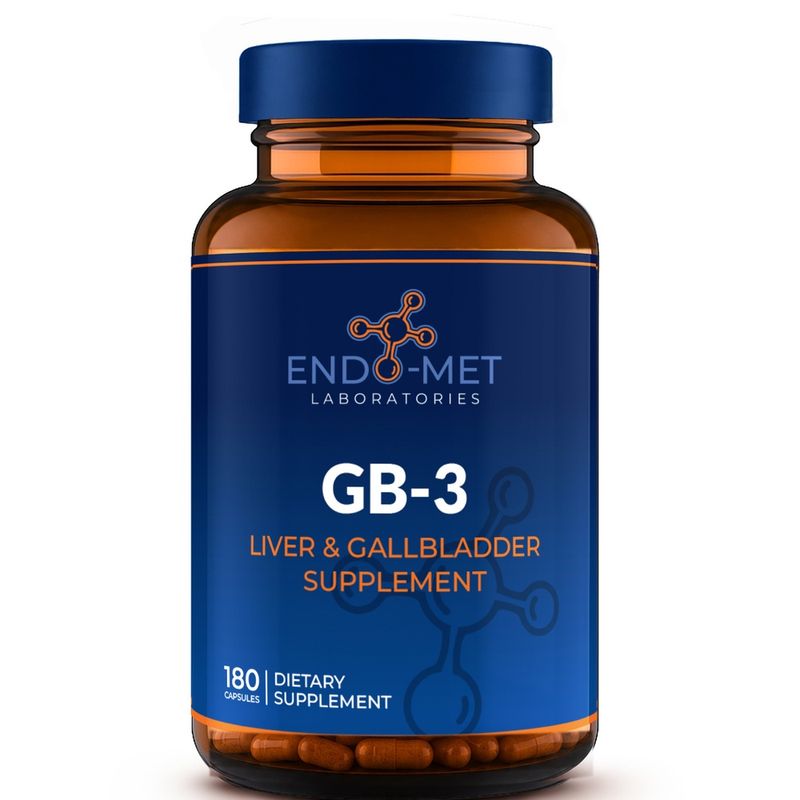
(ا(180 قرص GB-3 معامل إندوميت-أملاح الصفراء
(ا(180 قرص GB-3 معامل إندوميت-أملاح الصفراء
Support Liver Detox and Digestive Health – Formula for Enhanced Bile Flow and Toxin Removal
SKU 1058
$69.00
Digestive Support
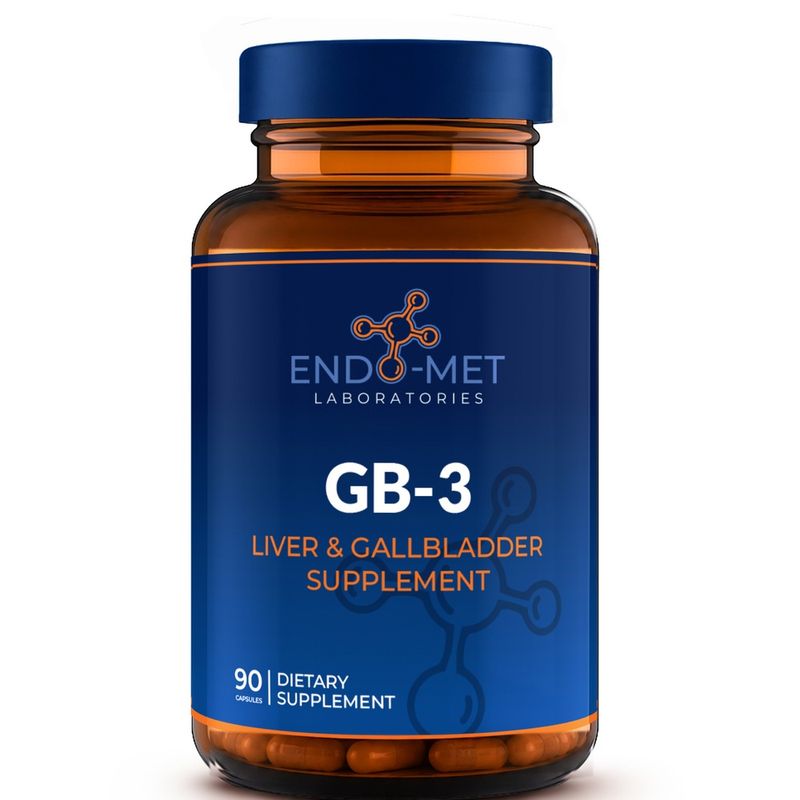
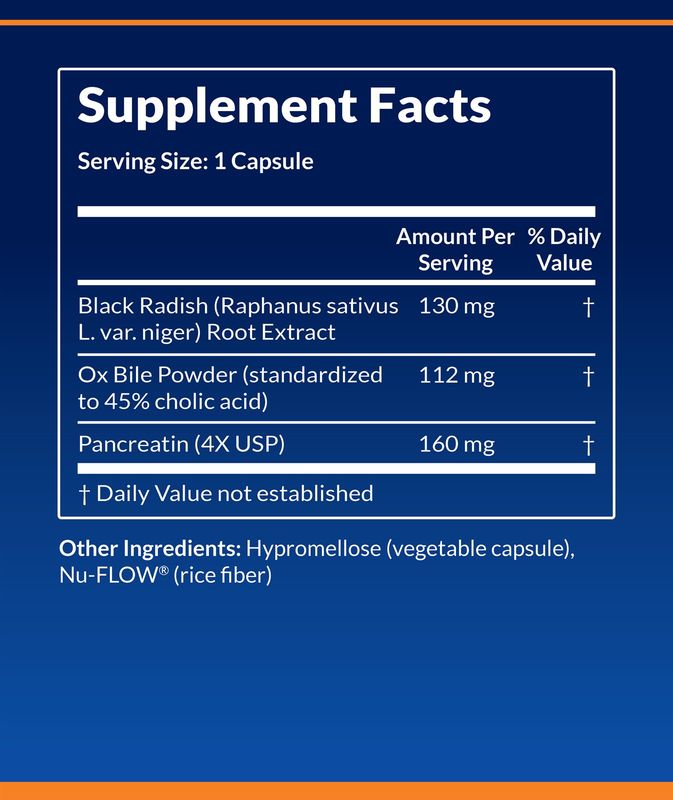
(ا(90 قرص GB-3 معامل إندوميت-أملاح الصفراء
(ا(90 قرص GB-3 معامل إندوميت-أملاح الصفراء
Comprehensive Liver and Digestive Support – Detoxify and Enhance Bile Flow
SKU 1057
$35.00
Glandular Support
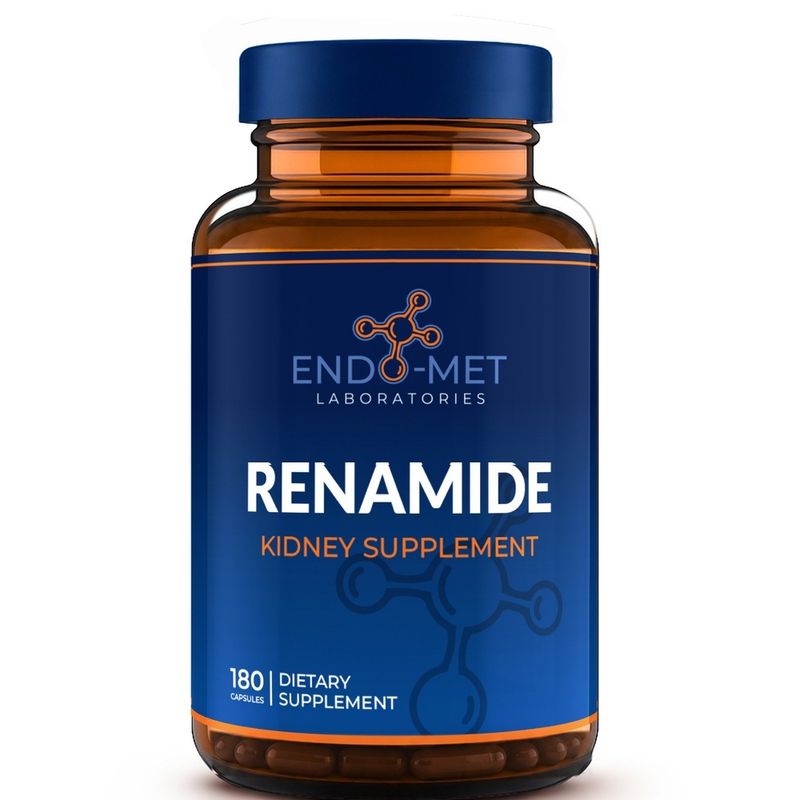
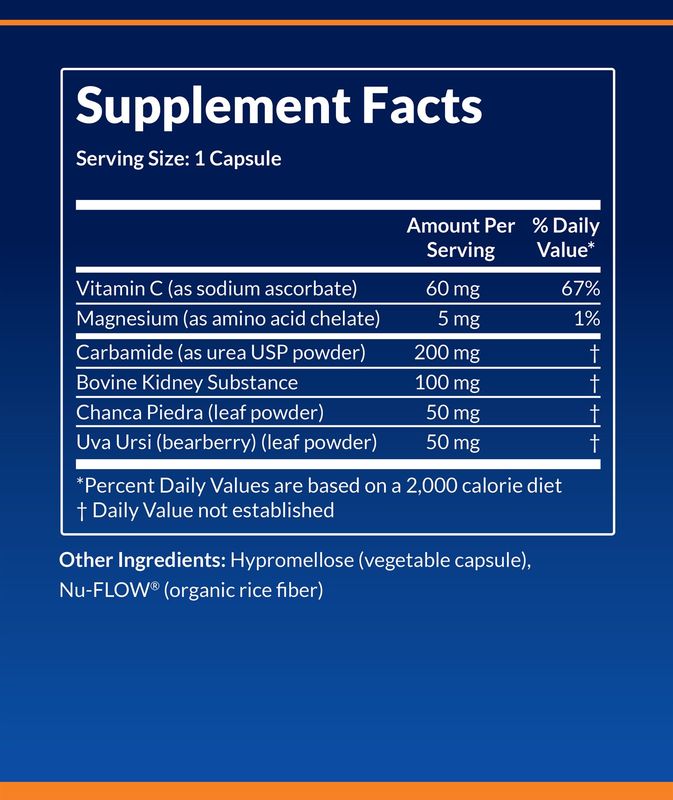
(معامل إندوميت-تركيبة ريناميد (180 قرص
(معامل إندوميت-تركيبة ريناميد (180 قرص
Boost Kidney Function and Detoxification – A Powerful Formula for Heavy Metal Elimination
SKU 1083
$47.00
Glandular Support
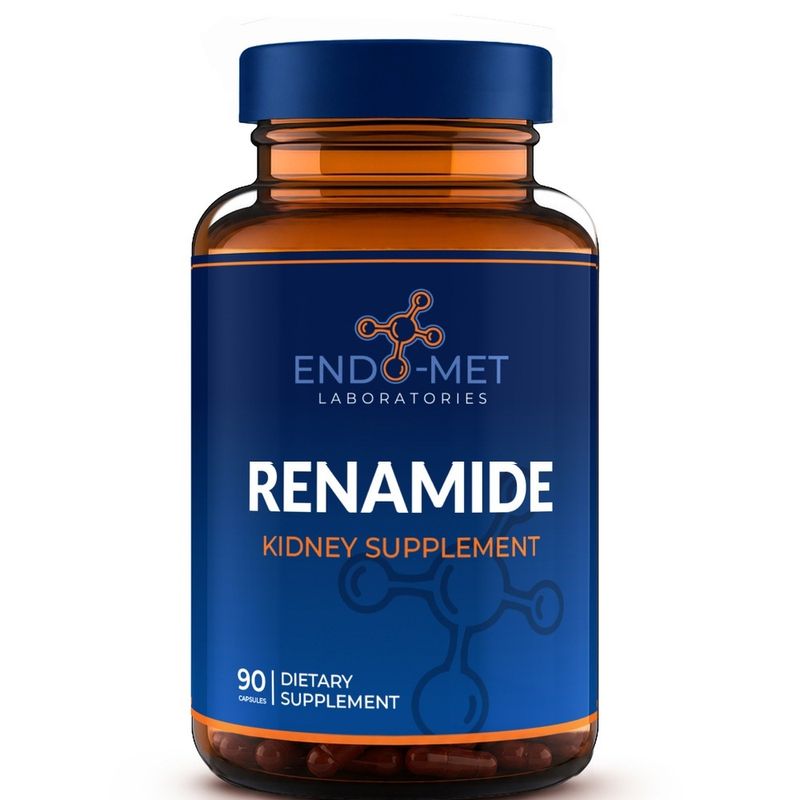
(معامل إندوميت-تركيبة ريناميد الغذائية (90 قرص
(معامل إندوميت-تركيبة ريناميد الغذائية (90 قرص
Support Kidney Health and Detox with Targeted Nutrients for Toxin Elimination
SKU 1082
$24.00
All Oxidation Types
(معامل إندوميت-تركيبة السيلينيوم (180 كبسولة
(معامل إندوميت-تركيبة السيلينيوم (180 كبسولة
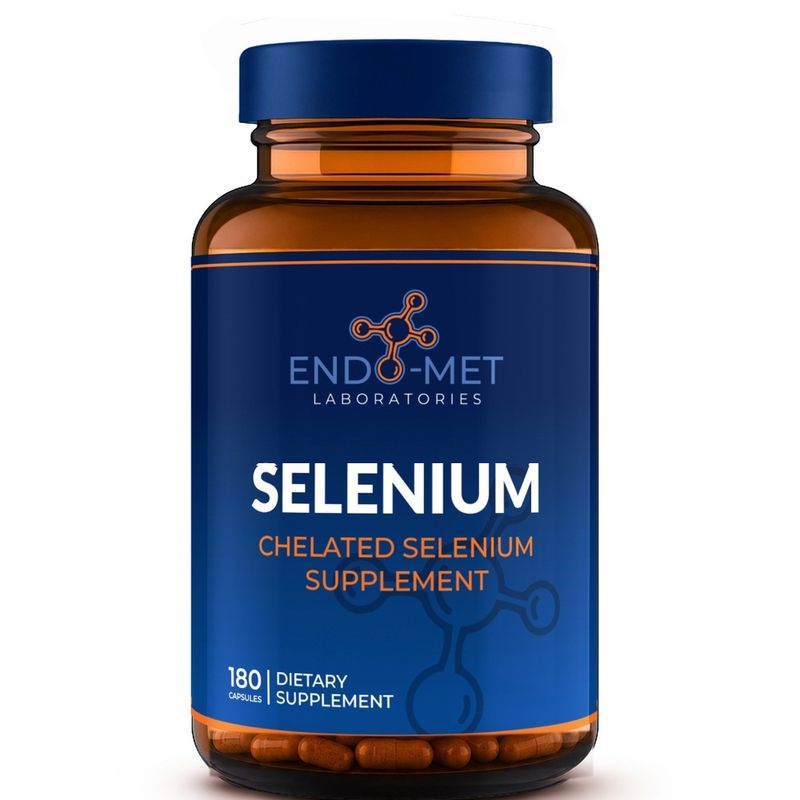
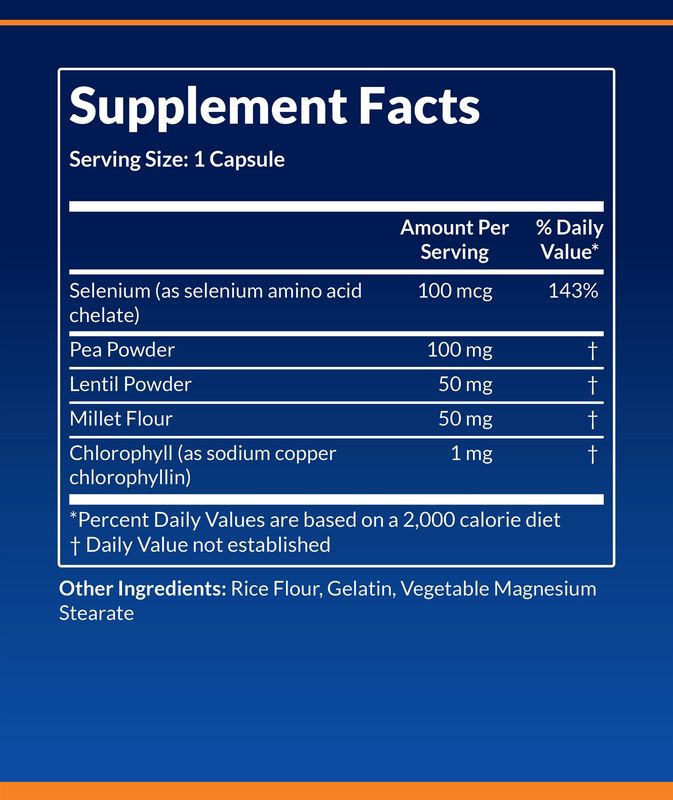
Extended Support with Naturally Chelated Selenium for Detox and Thyroid Health
SKU 1086
$35.00
All Oxidation Types
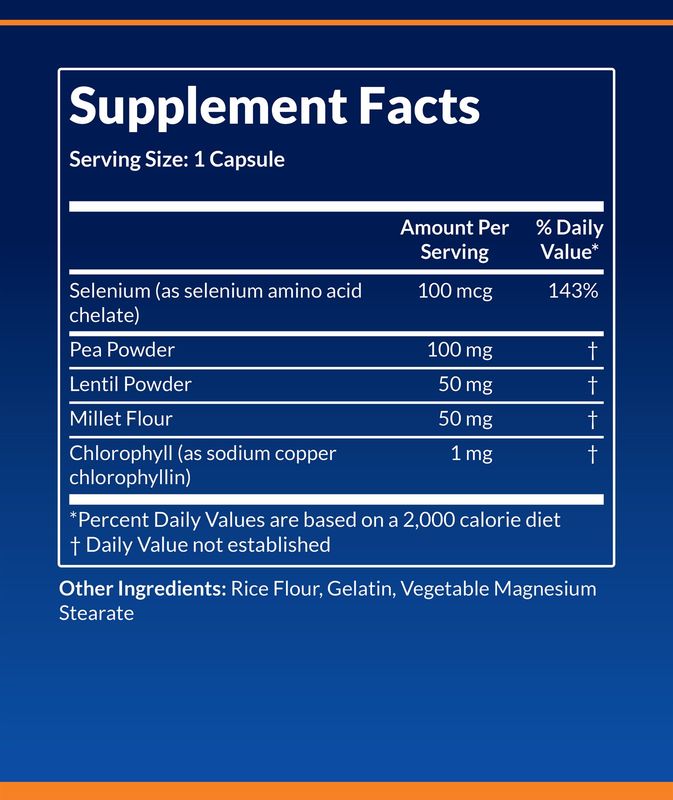
(معامل إندوميت-تركيبة السيلينيوم الغذائية (90 كبسولة
(معامل إندوميت-تركيبة السيلينيوم الغذائية (90 كبسولة
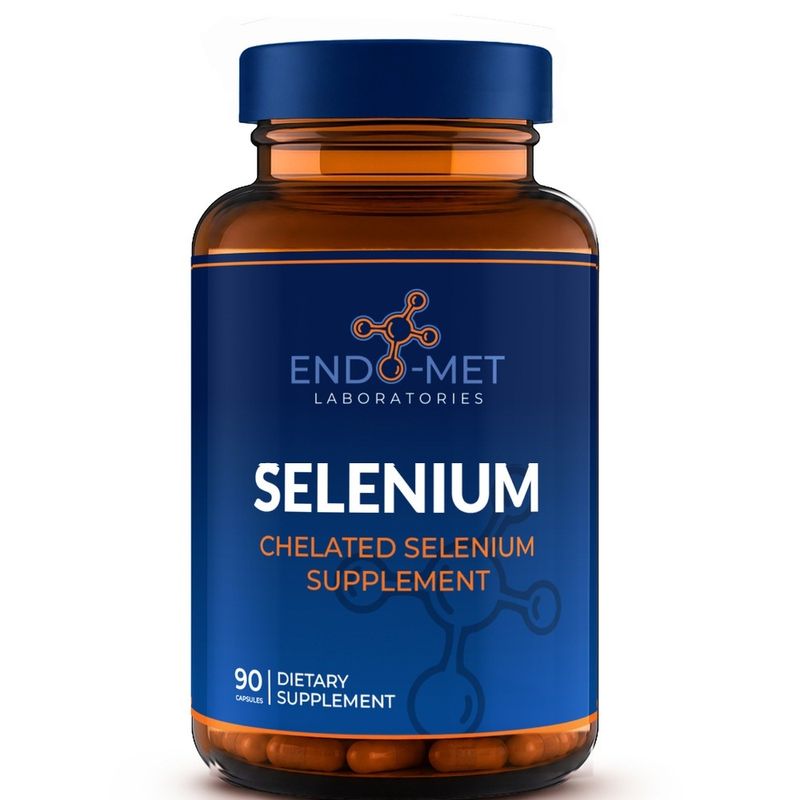
Naturally Chelated Selenium for Heavy Metal Detox & Thyroid Health
SKU 1085
$18.00
Lower Na/K
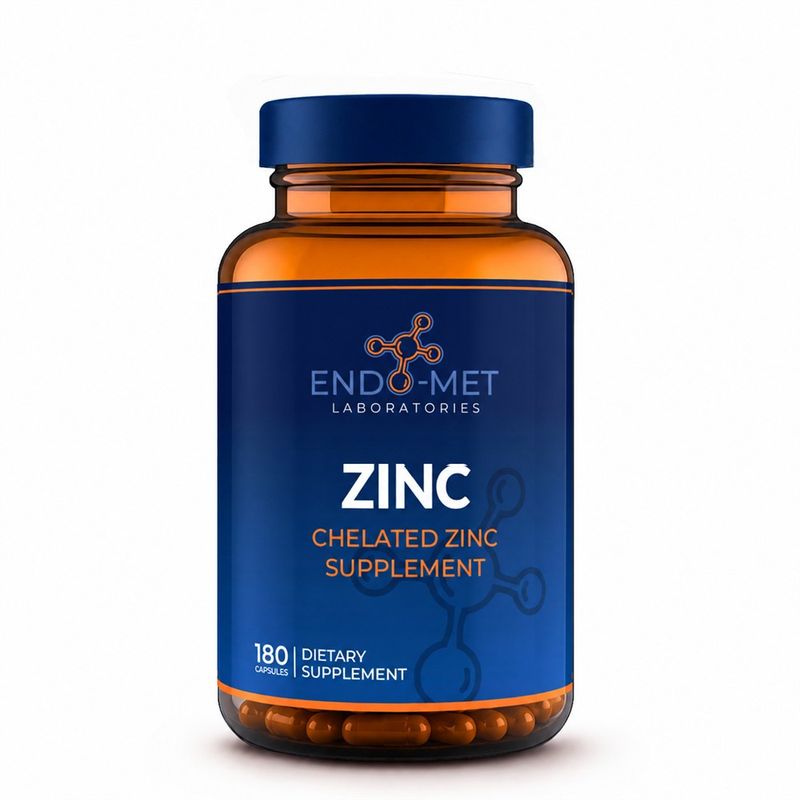
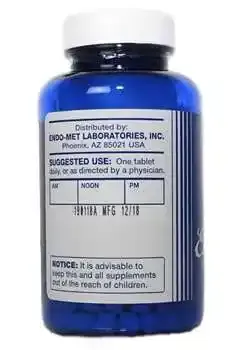
(معامل إندوميت-حبوب الزنك (180 قرص
(معامل إندوميت-حبوب الزنك (180 قرص
Extended Zinc Support for Immunity, Detox, and Mineral Balance
SKU 1081
$25.00
Lower Na/K
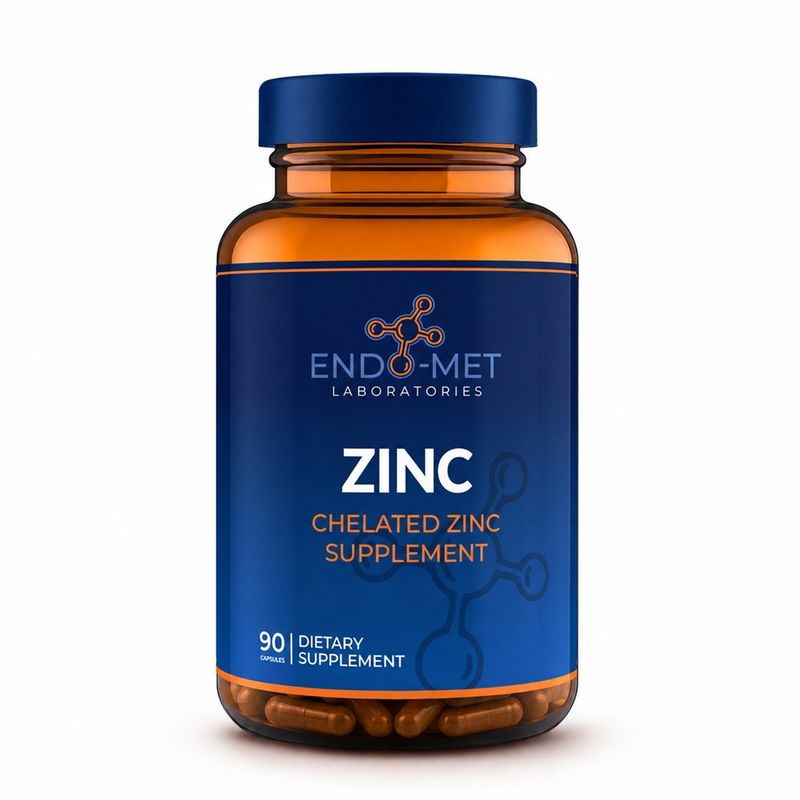

(معامل إندوميت-حبوب الزنك (90 قرص
(معامل إندوميت-حبوب الزنك (90 قرص
High-Potency Zinc for Immune Function, Detox, and Mineral Balance
SKU 1080
$13.00

Natural Health Resources Essiac Rejevuvenation Tea
Natural Health Resources Essiac Rejevuvenation Tea
Original 5-Herb Formula for Potent Rejuvenation and Healing Support
SKU 1121
$36.95
Magnesium
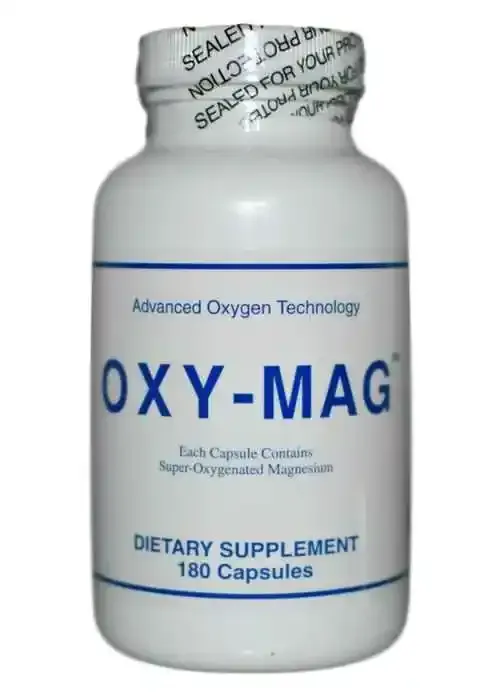

Natural Health Resources Oxy-Mag (180 Capsules)
Natural Health Resources Oxy-Mag (180 Capsules)
Super-Oxygenated Magnesium Formula for Detox and Rejuvenation
SKU 1090
$45.00
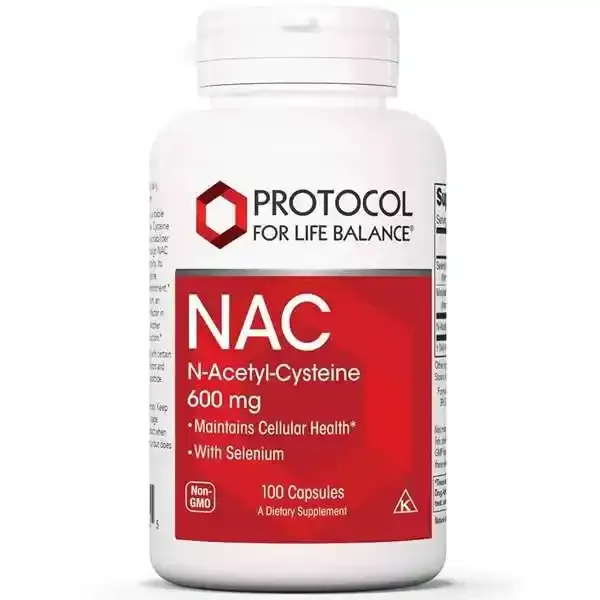
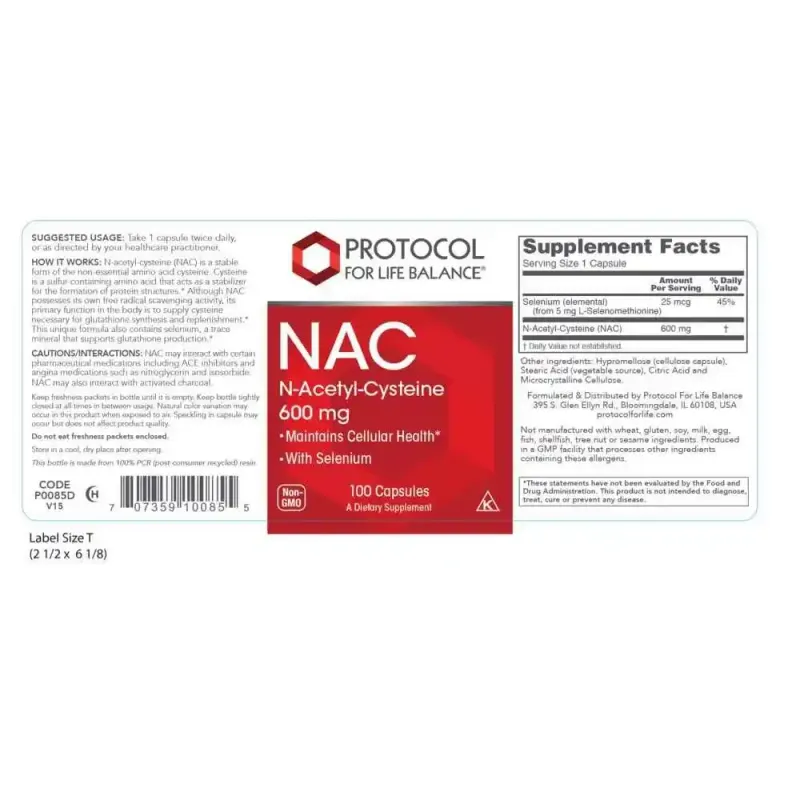
Protocol for Life Balance NAC N-Acetyl Cysteine (100 Capsules)
Protocol for Life Balance NAC N-Acetyl Cysteine (100 Capsules)
Maintain Cellular Health And Supports The Body's Ability To Neutralize Free Radicals
SKU 2237
$23.00
Targeted Mineral
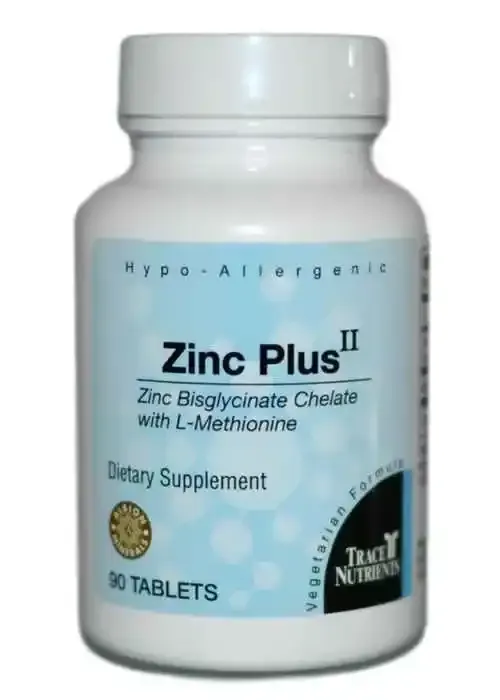

Trace Elements Zinc Plus III (90 Tablets)
Trace Elements Zinc Plus III (90 Tablets)
A hypoallergenic blend of zinc bisglycinate and zinc monomethionine with L-Methionine for enhanced immune function, skin health, and antioxidant support.
SKU 1372
$13.20