Immune Support
Shop By Health Concern
Immune Support
The formulas here support the immune system as a system — the minerals it runs on, the mushrooms and tonic herbs traditionally used to modulate it, and the nutrients it draws down fastest under demand.
- Zinc & vitamin C
- Tonic mushrooms
- Astragalus & Qi tonics
- Daily resilience
Modulating versus stimulating
Not everything sold as immune support does the same thing, and the distinction is worth understanding before choosing.
Modulating
Tonic mushrooms
Reishi and chaga are classed as adaptogenic in traditional use — taken over months to support balanced immune function rather than to provoke a short-term response. These are the daily, long-horizon end of the shelf.
Foundational
Minerals and vitamins
Zinc participates in the development and function of immune cells, and vitamin C is concentrated in tissues that do immune work. These are the nutrients drawn down fastest under sustained demand.
Targeted
Seasonal formulas
Combination formulas with echinacea, bioflavonoids and elevated vitamin C are built for shorter, more acute use rather than year-round supplementation.
Daily foundation versus short-term support
Year-round
Zinc, vitamin C, and tonic mushrooms such as Reishi and Chaga are taken continuously. Astragalus sits here too — in Chinese herbalism it is associated with protective Qi, the body’s outward-facing defensive layer, and it is a long-horizon herb rather than an acute one.
Shorter stretches
Combination formulas built around echinacea and higher-dose vitamin C are designed for defined periods rather than indefinite use. Monolaurin and lysine are also typically used in shorter, more targeted courses.
Why zinc keeps appearing here
Zinc shows up in nearly every immune formula because it participates in an unusually wide range of enzyme systems, including those involved in immune cell development and wound healing. It is also one of the minerals most commonly found low on a hair tissue mineral analysis.
Zinc also has a relationship with copper worth respecting. The two compete, and pushing zinc hard over long periods without attention to that balance can create a second problem while solving the first. Seeing both on a test enables a trained practitioner to design a program tailored to your specific biochemistry.
A note on testing. Blood work and hair tissue mineral analysis answer different questions and both belong in the picture. A hair tissue mineral analysis shows mineral levels and toxic element exposure accumulated in tissue over months — including the zinc and copper relationship that matters here. The interpretive framework comes from the combined work of Dr. Paul Eck, Dr. Lawrence Wilson and Dr. David Watts at Trace Elements Inc.
I read the ratio, not the level — Eileen Durfee
Immune support is where I most often see people self-prescribing zinc, sometimes at high doses, for years. What I actually read on the chart is not the zinc level on its own — it is the zinc to copper ratio, because that relationship is far more informative than either number by itself.
The reference framework I work from puts the ideal near 8 to 1. Ratios drifting well above that suggest copper is deficient or biologically unavailable; ratios falling below it point toward a copper excess picture. Someone can show a perfectly respectable zinc number and still be sitting in a copper pattern, which is exactly the situation a zinc-only reading would miss.
There is also a reason copper and adrenal function keep turning up in the same conversation. Binding copper properly depends on strong adrenal activity, so a depleted adrenal picture and an accumulating copper picture tend to travel together. When I see a sodium/potassium inversion, I expect to find copper somewhere in the story — and I would rather address adrenal and stress recovery alongside the immune work than treat the immune complaint alone.
None of this makes zinc a poor choice. It makes it a mineral worth dosing from a current test rather than a hunch, and worth rechecking on a retest instead of setting and forgetting.
Where to start
Endo-met Zinc (180 Tablets)Zinc as hydrolyzed rice protein chelate for immune function and detoxification. Trace Elements Zinc Plus III (90 Tablets)Zinc bisglycinate and monomethionine with L-methionine as a synergist. Progressive Labs High C Ascorbate With Aspartates (Powder)Buffered vitamin C with mineral ascorbates and aspartates, gentle on the stomach. Dragon Herbs Astragalus Advanced (100 Capsules)Concentrated astragalus with 75mg astragaloside IV per dose, a classic Qi and immune tonic. Dragon Herbs Duanwood Reishi (100 Capsules)Log-grown Reishi fruiting body — the classic modulating tonic mushroom. Pure Encapsulations L-Lysine (270 Capsules)500 mg free-form L-lysine per capsule for immune wellness and healthy lip and gum tissue.
Common questions
Should I take immune support year-round or only in winter?
It depends on the product. Tonic mushrooms, astragalus, zinc and vitamin C are generally taken continuously. Combination formulas built around echinacea and high-dose vitamin C are designed for shorter, defined stretches instead.
What is the difference between Reishi and Chaga?
Both are tonic mushrooms with a long traditional record. Reishi is associated with calming and with liver and cardiovascular support alongside immune function. Chaga is used more for its antioxidant profile. Some people take both; there is no need to choose one exclusively.
How much zinc is too much?
That depends on your starting point and on your copper status, which is exactly why it is worth testing rather than estimating. Sustained high-dose zinc without attention to copper can create a second imbalance, so this is a good mineral to dose from current numbers.
Does gut health affect immune function?
Substantially. A large share of immune activity happens along the gut lining, which is why probiotics and gut-lining nutrients often appear in immune conversations. Digestive and gut health is a reasonable companion category to look at alongside this one.
Can I take several immune products at once?
Often yes, since they work through different mechanisms — a mineral, a tonic mushroom and an amino acid are not redundant. Introducing them one at a time still makes it easier to tell what is helping, and your healthcare provider can help you shape a combination that fits you.
Is your zinc where you think it is?
Zinc and copper move against each other, and both show on a hair tissue mineral analysis alongside your toxic element exposure. The mailed kit includes a scale — the sample is about a teaspoon of new growth.
These statements have not been evaluated by the Food and Drug Administration. These products are not intended to diagnose, treat, cure, or prevent any disease. Wellness Shopping Online is operated by Nuco Enterprise Solutions LLC. Your healthcare provider can help you shape a program that fits your individual situation.
Refine by
Immune Support
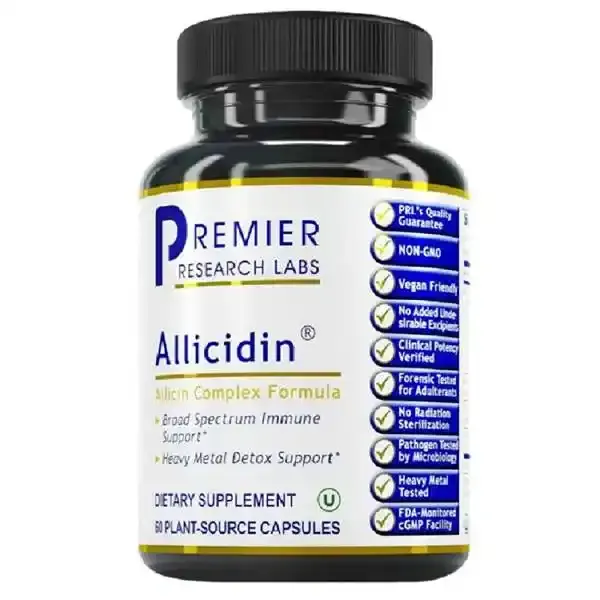
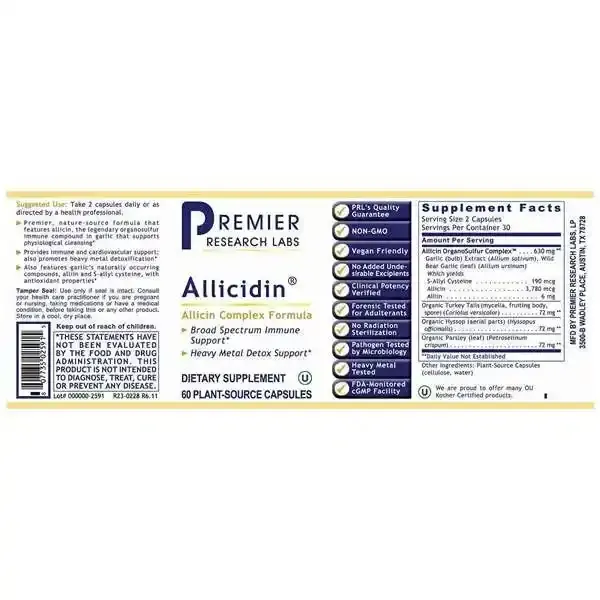
Allicidin - Premier Research Labs (60 Capsules)
Allicidin - Premier Research Labs (60 Capsules)
Broad Spectrum Immune Support & Heavy Metal Detox Support
SKU 2197
$34.95
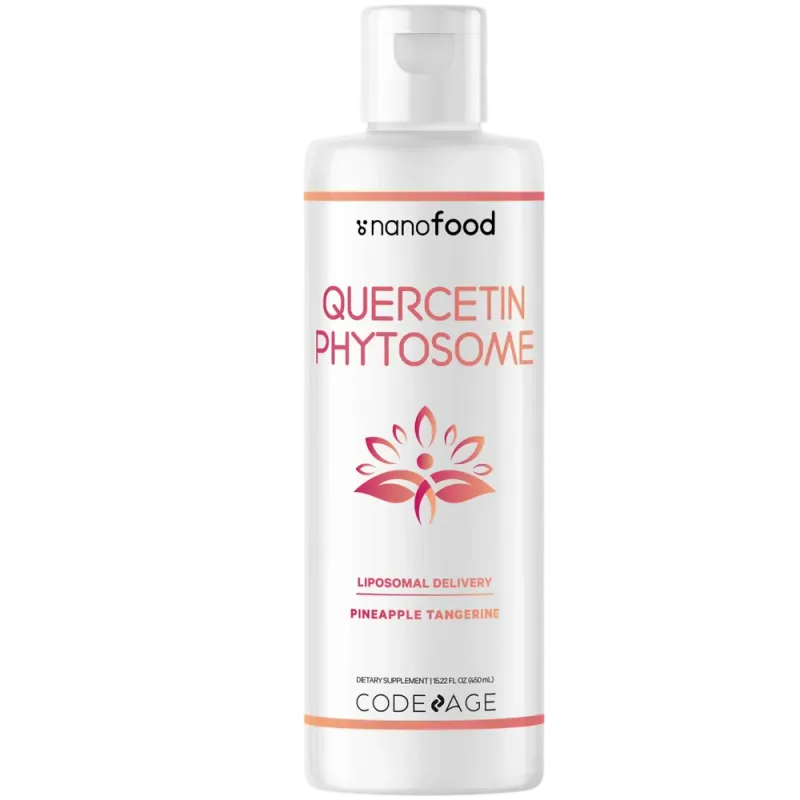
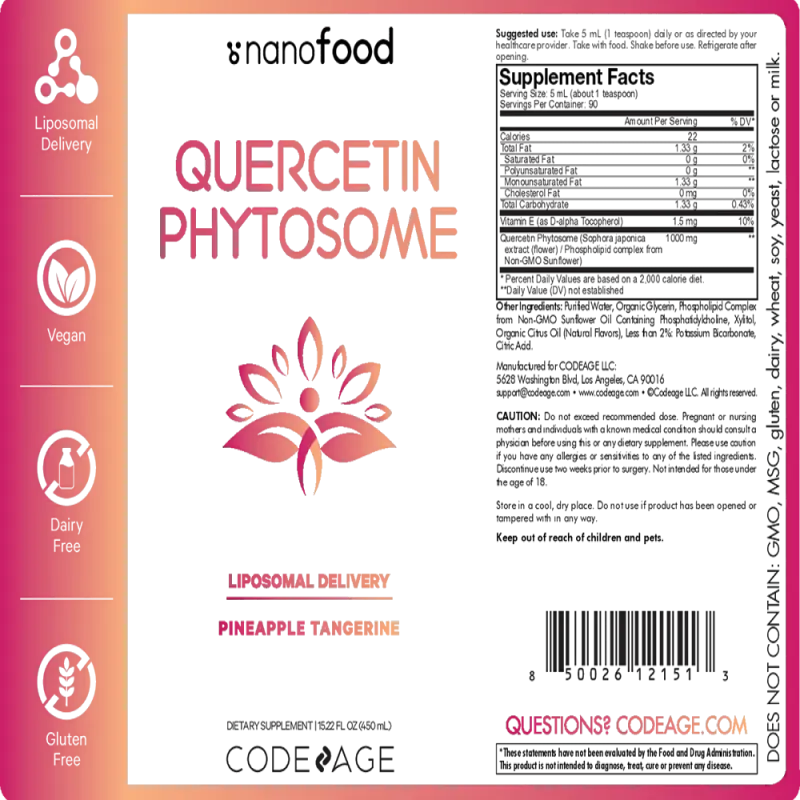
Codeage – Nanofood Liquid Quercetin Phytosome (450 Militers)
Codeage – Nanofood Liquid Quercetin Phytosome (450 Militers)
Vegan liquid quercetin supplement designed with a liposomal-style delivery system and a refreshing pineapple tangerine taste.
SKU 2288
$44.99
Qi Tonic
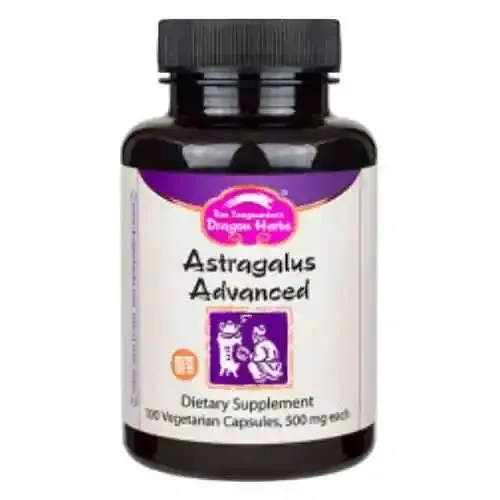
Dragon Herbs Astragalus Advanced (100 Capsules)
Dragon Herbs Astragalus Advanced (100 Capsules)
Powerful Astragalus extract for immune support, vitality, and DNA health.
SKU 2001
$61.00
Shen Tonic
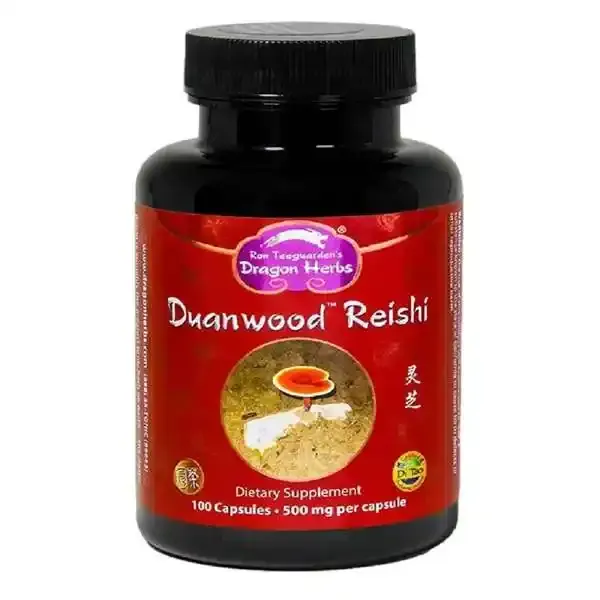
Dragon Herbs Duanwood Reishi (100 Capsules)
Dragon Herbs Duanwood Reishi (100 Capsules)
The "Mushroom of Immortality" for immune health and spiritual balance.
SKU 2132
$36.00
Qi Tonic
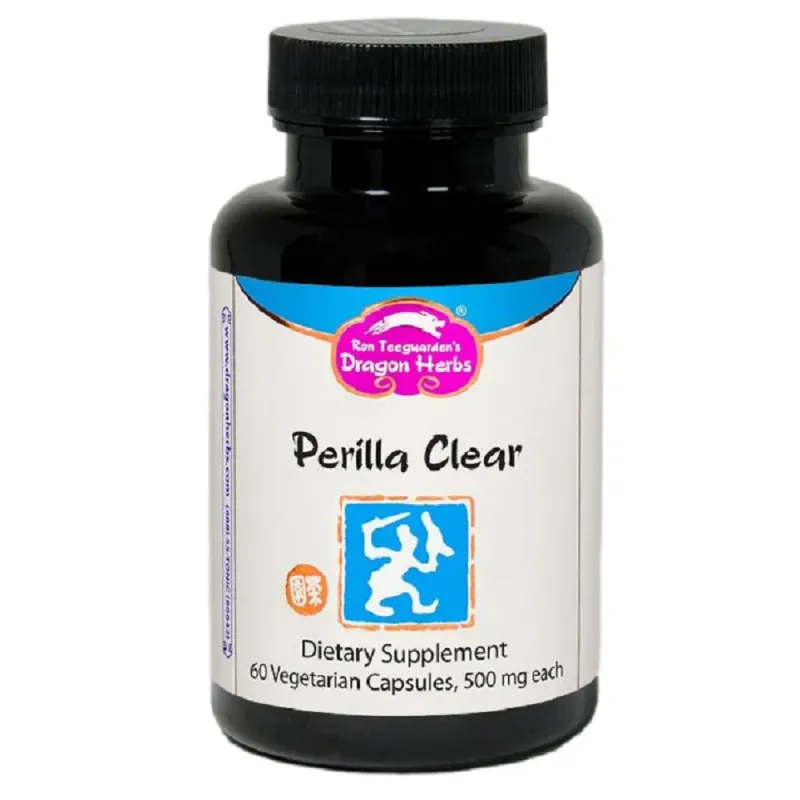
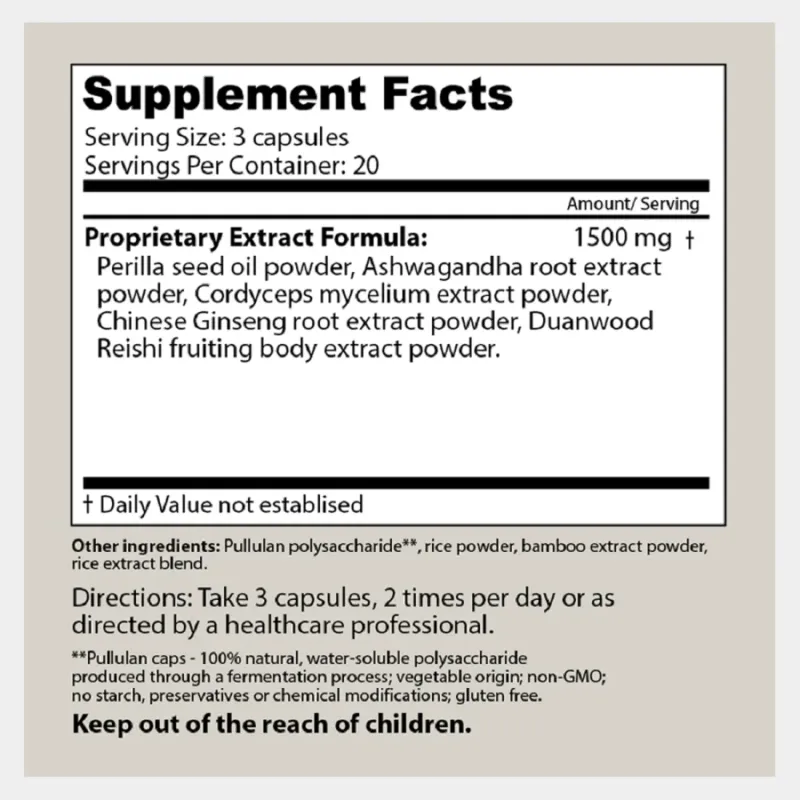
Dragon Herbs Perilla Clear (60 Capsules)
Dragon Herbs Perilla Clear (60 Capsules)
Designed to help you maintain clear, comfortable breathing while supporting a balanced immune response.
SKU 2263
$26.00
Qi Tonic
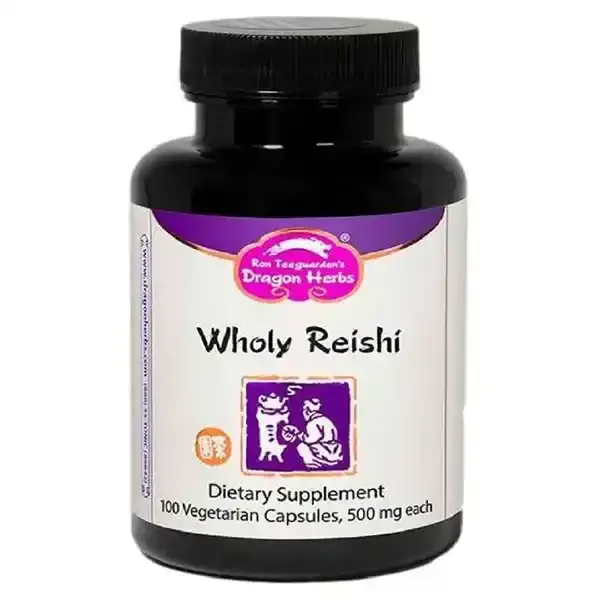
Dragon Herbs Wholy Reishi (100 Capsules)
Dragon Herbs Wholy Reishi (100 Capsules)
Dragon Herbs Wholy Reishi is a potent blend designed for profound foundational restoration, combining 50% Duanwood Reishi fruiting body extract with 50% cracked Reishi spores.
SKU 2201
$55.00
Adaptogen
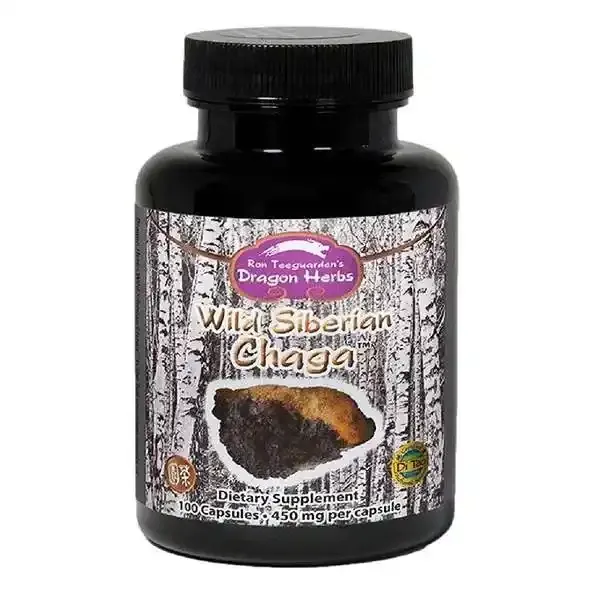
Dragon Herbs Wild Siberian Chaga (100 Capsules)
Dragon Herbs Wild Siberian Chaga (100 Capsules)
Sustainably sourced from ancient birch forests in Siberia, Russia. We use only wild-harvested Chaga, aged at least 10 years, to create a powerful extract that supports: Immune function, Liver health, Brain health, Healthy aging
SKU 2204
$37.00
Fast Oxidizer
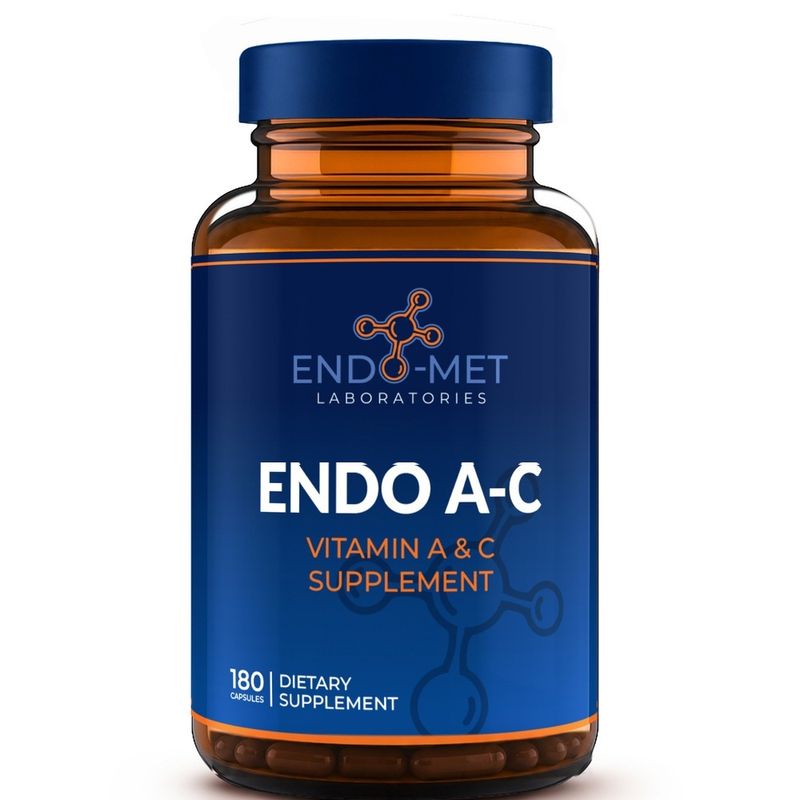
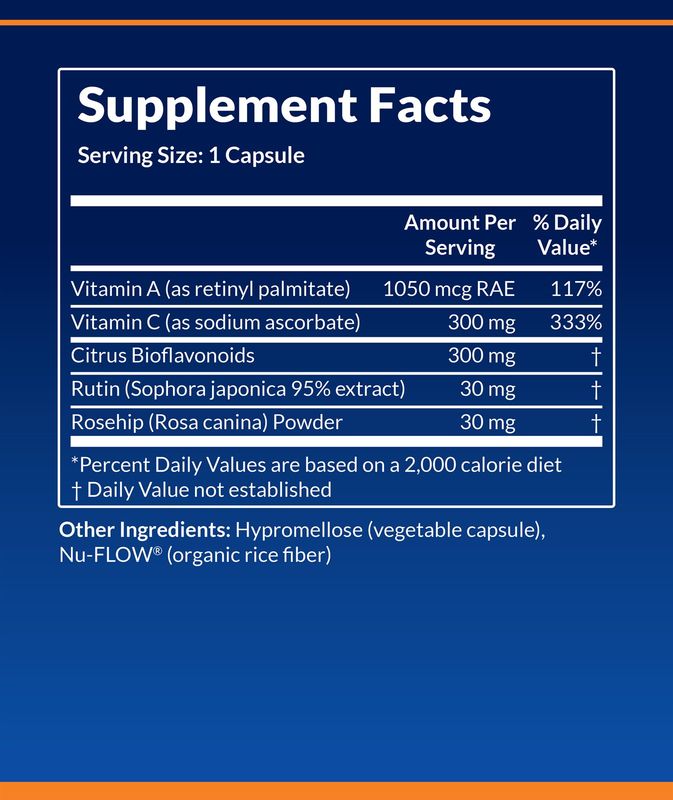
Endo-met Endo A-C (180 Capsules)
Endo-met Endo A-C (180 Capsules)
Essential Blend of Vitamin A, C, and Bioflavonoids for Immune Support and Skin Health
SKU 1050
$43.00
Fast Oxidizer
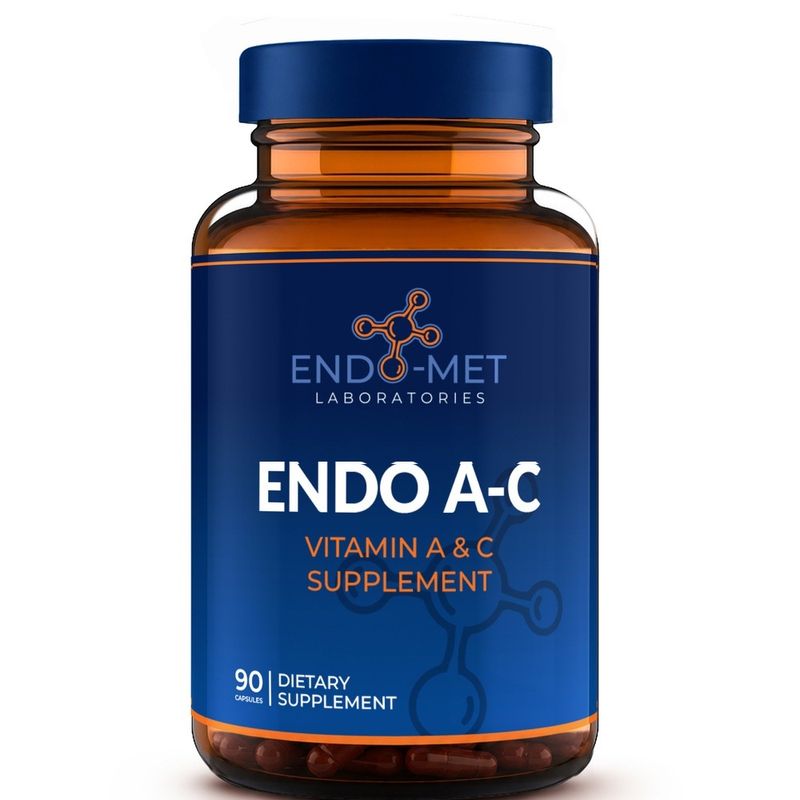
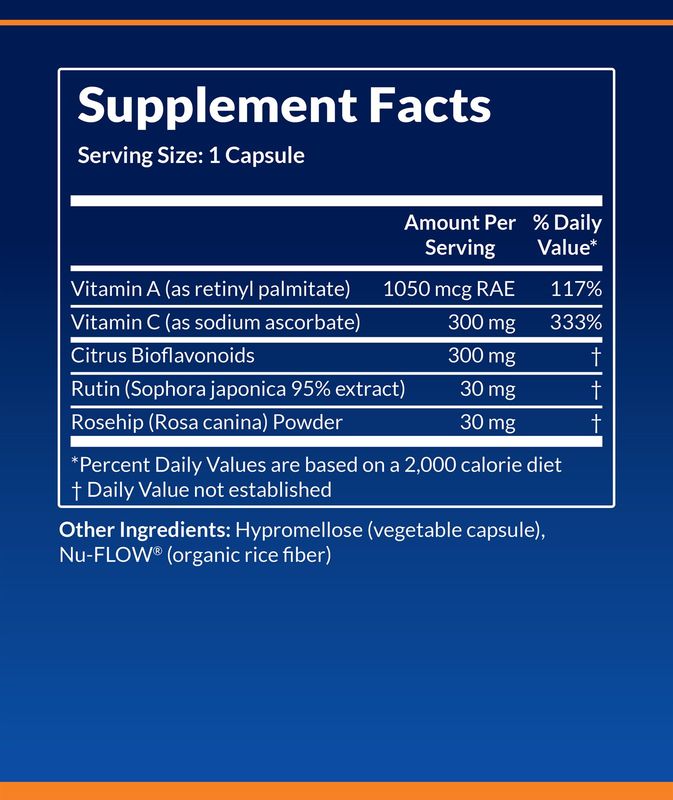
Endo-met Endo A-C (90 Capsules)
Endo-met Endo A-C (90 Capsules)
90 Tablets of Vitamin A, C, and Bioflavonoids for Daily Immune and Skin Support
SKU 1049
$22.00
Lower Na/K
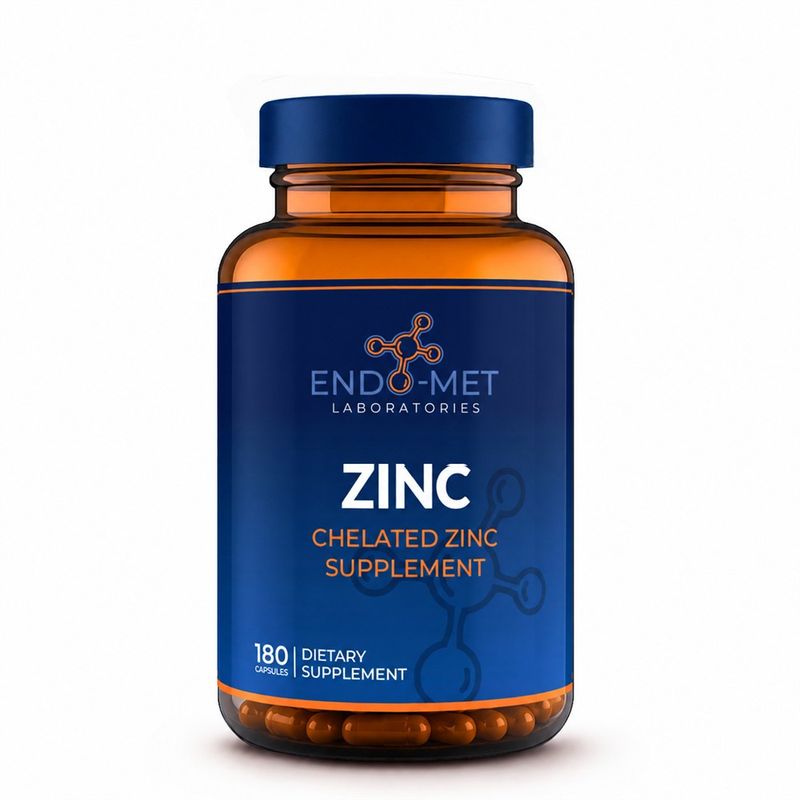
Endo-met Zinc (180 Capsules)
Endo-met Zinc (180 Capsules)
Extended Zinc Support for Immunity, Detox, and Mineral Balance
SKU 1081
$25.00
Lower Na/K
Endo-met Zinc (90 Capsules)
Endo-met Zinc (90 Capsules)
High-Potency Zinc for Immune Function, Detox, and Mineral Balance
SKU 1080
$13.00
Nutra BioGenesis Monolaurin (120 Capsules)
Nutra BioGenesis Monolaurin (120 Capsules)
Monolaurin is a monoglyceride formed from lauric acid, which is obtained from raw coconut, and may assist in supporting the immune system.
SKU 2223
$23.49
Respiratory Support
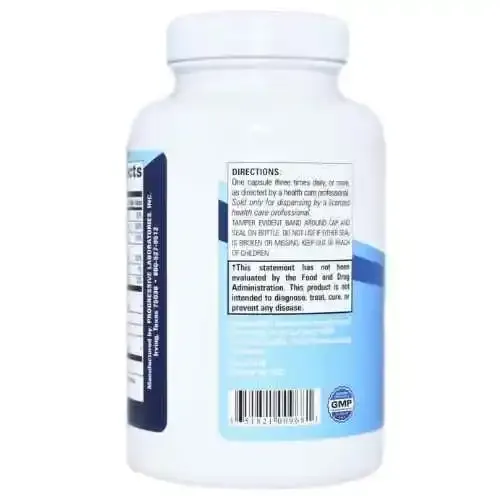
Progressive Laboratories Coryza Forte (90 Capsules)
Progressive Laboratories Coryza Forte (90 Capsules)
Comprehensive Immune Support with Vitamins, Minerals, and Botanicals.
SKU 1860
$37.00
Heart & Circulation
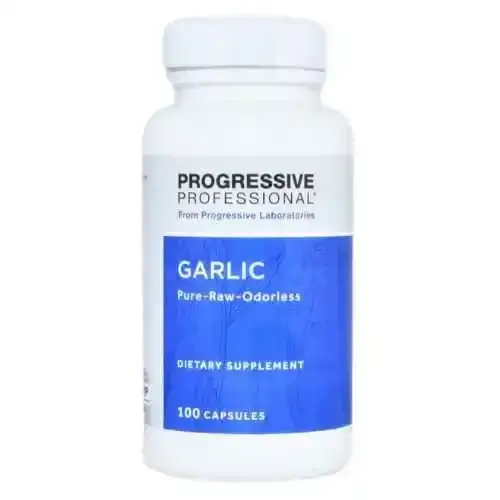
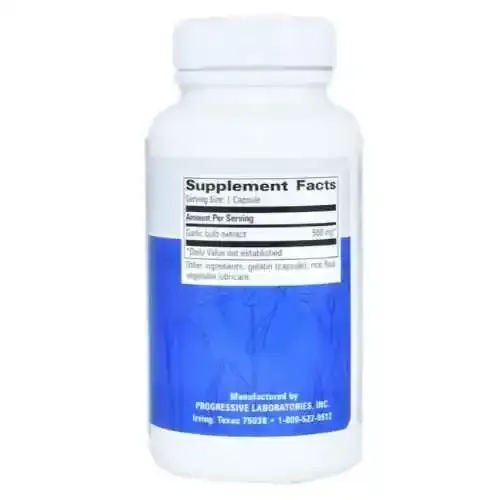
Progressive Laboratories Garlic (100 Capsules)
Progressive Laboratories Garlic (100 Capsules)
Deodorized garlic extract capsules to support cardiovascular and immune health.
SKU 1094
$24.00
Immune Support
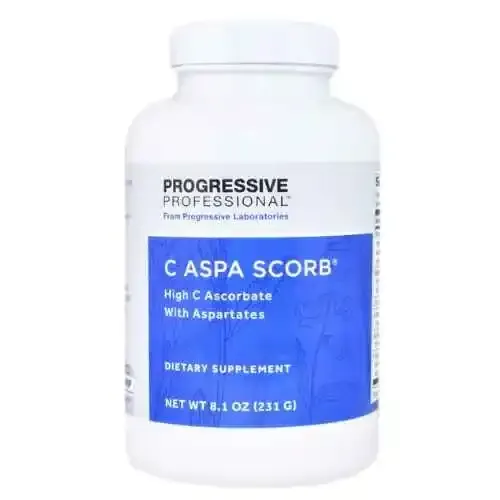
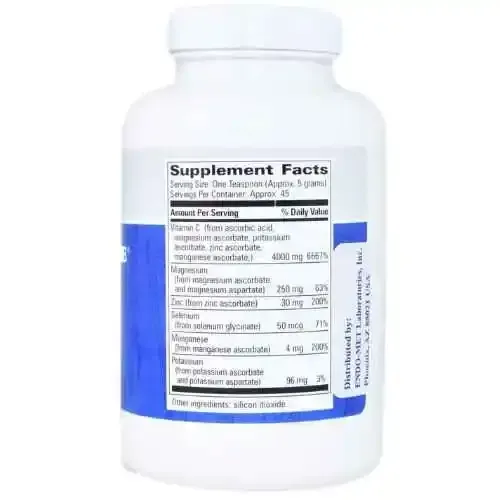
Progressive Labs High C Ascorbate With Aspartates (Powder)
Progressive Labs High C Ascorbate With Aspartates (Powder)
Buffered Vitamin C Supplement for Immune & Cardiovascular Health
SKU 1467
$55.00
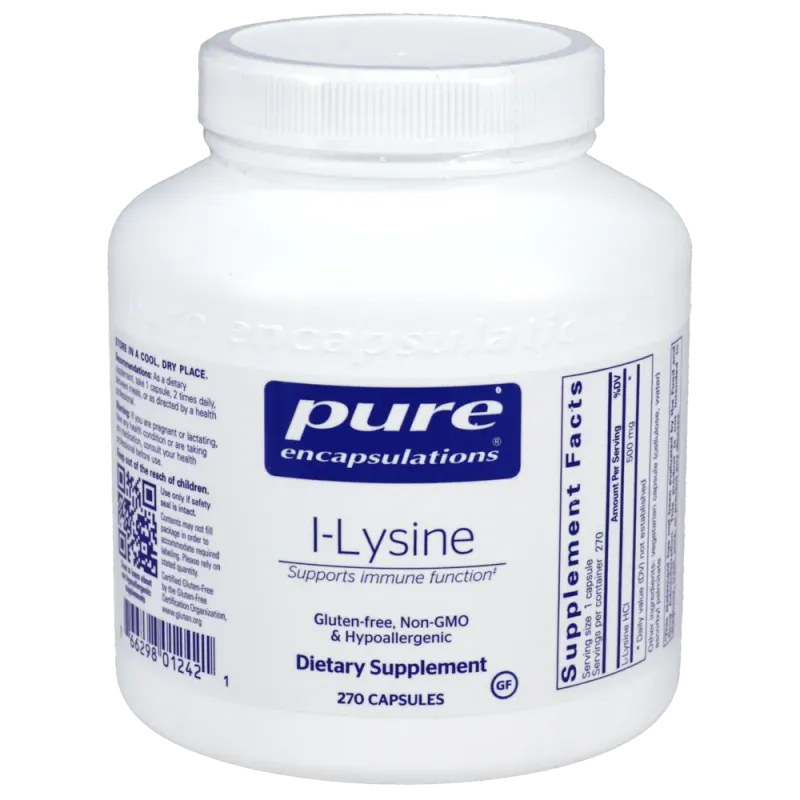
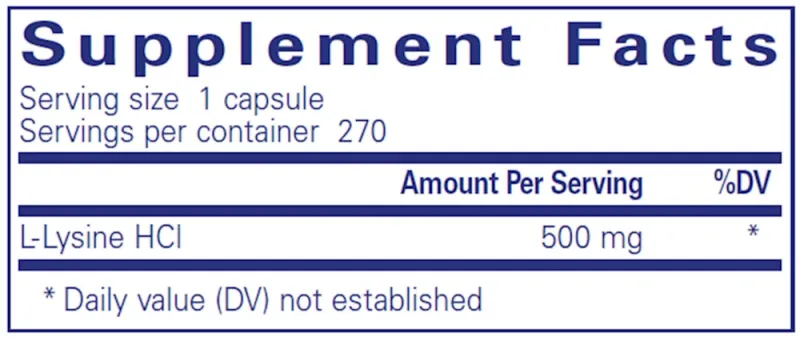
Pure Encapsulations L-Lysine (270 Capsules)
Pure Encapsulations L-Lysine (270 Capsules)
Free-form L-lysine supplement providing 500 mg per capsule to support healthy immune function, natural defenses, and gum and lip tissue wellness.
SKU 1634
$41.50
All Types
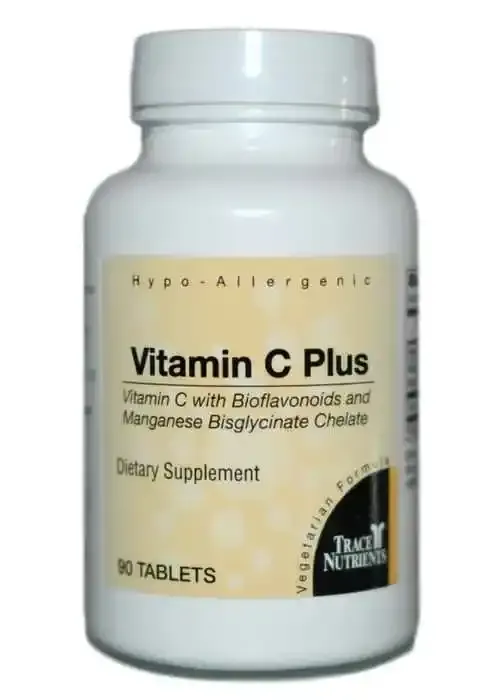
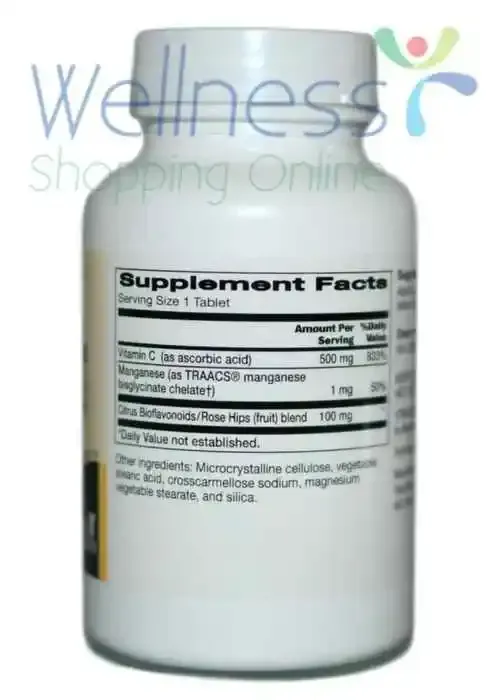
Trace Elements Vitamin C Plus (90 Tablets)
Trace Elements Vitamin C Plus (90 Tablets)
Combination of ascorbic acid, bioflavonoids from rose hips and manganese amino acid chelate complements and potentiates the absorption and utilization of vitamin C
SKU 1381
$12.40
Targeted Mineral
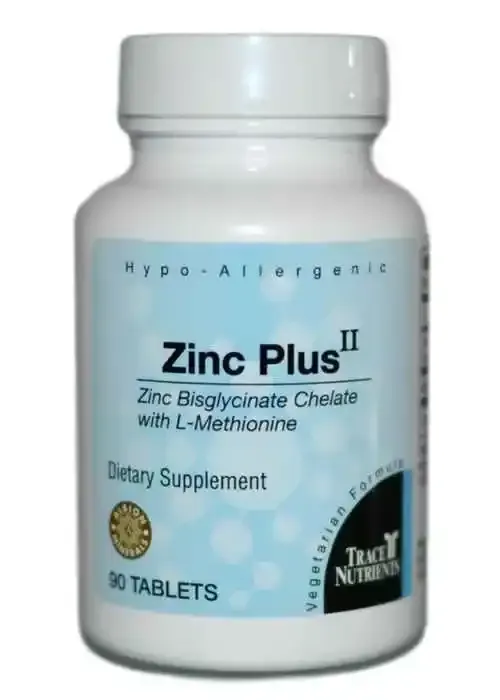
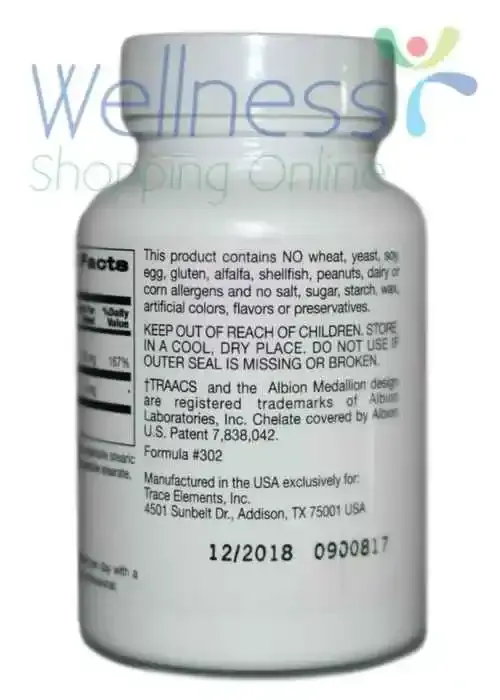
Trace Elements Zinc Plus III (90 Tablets)
Trace Elements Zinc Plus III (90 Tablets)
A hypoallergenic blend of zinc bisglycinate and zinc monomethionine with L-Methionine for enhanced immune function, skin health, and antioxidant support.
SKU 1372
$13.20
Targeted Mineral
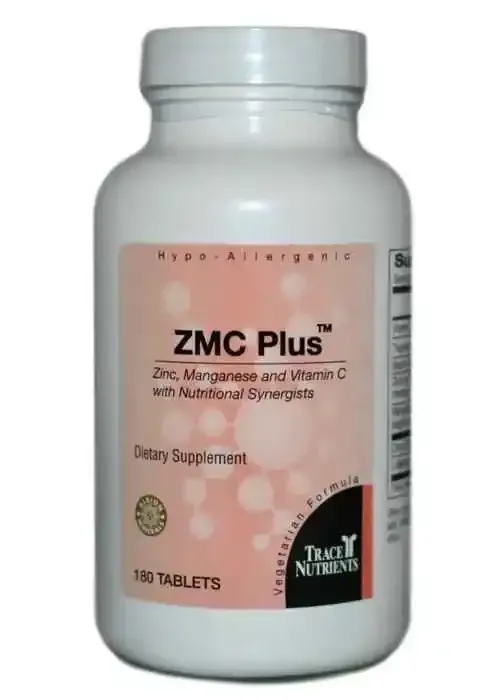
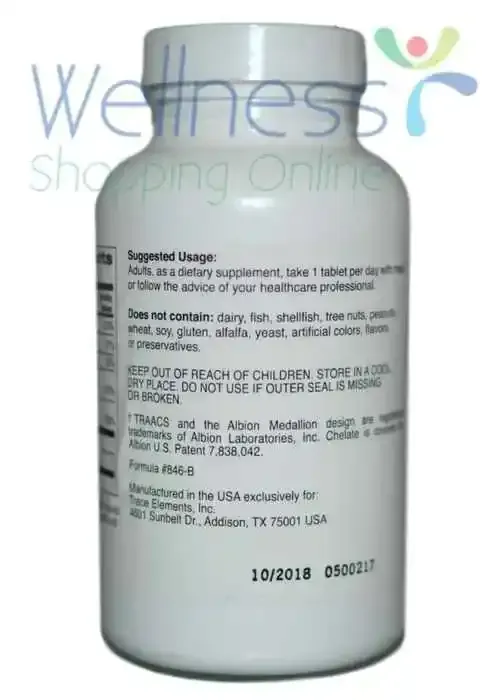
Trace Elements ZMC Plus (180 Tablets)
Trace Elements ZMC Plus (180 Tablets)
A hypoallergenic formula combining zinc, manganese, and Vitamin C with bioflavonoids and amino acids to support immune health and antioxidant defense.
SKU 1391
$44.00
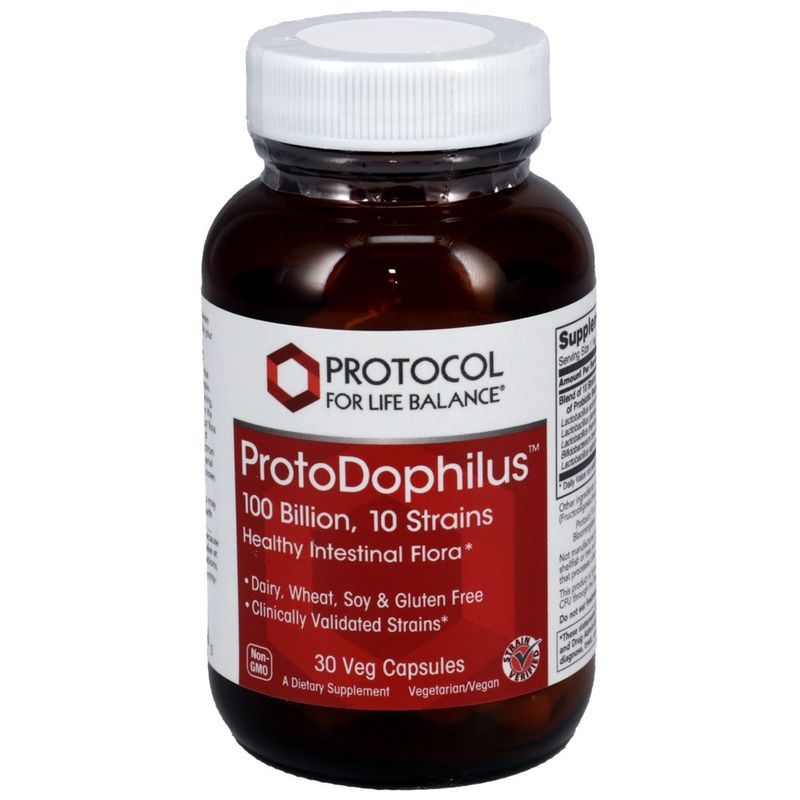
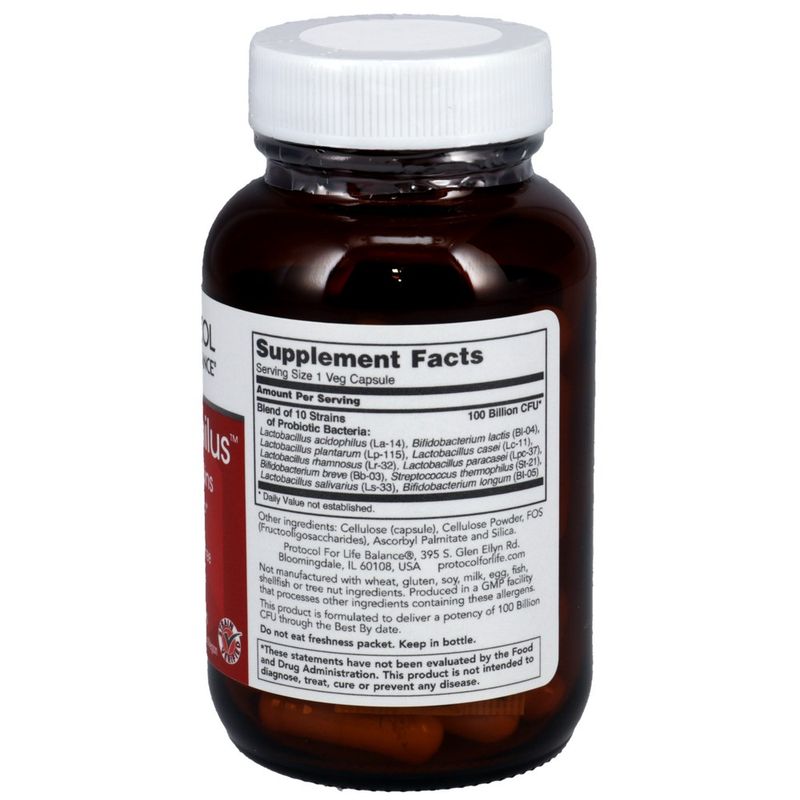
Protocol for Life Balance ProtoDophilus 100 Billion, 10 Strains (30 Veg Capsules)
Protocol for Life Balance ProtoDophilus 100 Billion, 10 Strains (30 Veg Capsules)
100 billion CFU, 10 clinically validated strains - digestive and immune support*
SKU 2363
$52.00