Dragon Herbs Qi Tonics
Dragon Herbs · Qi tonics
Daily energy, produced rather than borrowed
Qi is the energy of the day: breath, digestion, the protective layer and the drive to get things done. Seven Dragon Herbs formulas are classified as Qi tonics, and two more are Qi-regulating formulas that move energy rather than build it.
- 9 formulas
- Qi tonics · Qi regulating
- Typical schedule 3-0-3
- Ships from Washington State
What Qi tonics do in the tradition
Where Jing is the reserve, Qi is the current. In the tonic tradition Qi tonics support the energy generated every day from food and breath — the digestion that extracts it, the lungs that gather it, and the protective Qi the classical texts describe at the surface of the body. Astragalus, Codonopsis, ginseng and reishi are the great Qi herbs, and most of the formulas on this page are built on them.
A Qi tonic is the most immediate of the three treasures. Many people notice it within weeks rather than months, which is why the tradition often starts a programme here even when the long-term goal is the reserve. Taken alongside a Jing tonic, a Qi tonic covers the day while the Jing formula works on the foundation.
Two formulas here are not tonics at all. Qi-regulating formulas — Easy Qi and Bupleurum & Cyperus — are the tradition’s answer when energy is present but stuck: tension in the back and neck, digestion that feels knotted. They move Qi rather than add to it, and they are used in shorter runs.
Build or move? If you are tired, you want a Qi tonic. If you are tense, you want a Qi-regulating formula. The badges tell them apart: Qi Tonic builds, Qi Regulating moves.
Formulas in this collection
9 Dragon Herbs formulas, each with its verified badge
Every product page carries the traditional classification the manufacturer gives that formula, so what you see here is what you will see on the bottle’s page. Prices and availability are on the product pages.
Qi tonics — building daily energy
Classified as Qi Tonic.
Dragon Herbs Astragalus Advanced (100 Capsules)Concentrated Astragalus extract — the premier Qi tonic of the tradition, associated with the body’s protective energy. Dragon Herbs Codonopsis and Astragalus (100 Capsules)Two foundational Qi herbs paired for everyday energy and digestive strength; the gentlest place to start. Dragon Herbs Diamond Mind (100 Capsules)Qi herbs selected for focus and mental stamina through demanding work. Dragon Herbs Golden Air (100 Capsules)A lung-centred Qi tonic built on American ginseng and Tibetan rhodiola. Dragon Herbs Perilla Clear (60 Capsules)A Perilla-based formula taken for clear, comfortable breathing through the seasons. Dragon Herbs Ten Complete Supertonic (100 Capsules)The classic ten-herb formula (Shi Quan Da Bu Wan) that tonifies Qi and Blood together. Dragon Herbs Wholy Reishi (100 Capsules)Duanwood Reishi fruiting body with cracked spores — a Qi tonic with the calm character of the mushroom.
Qi-regulating formulas — moving what is stuck
Classified as Qi Regulating: used in shorter runs.
How to choose
Three ways in
Start here
Tired, run down, catching everything
Astragalus Advanced or Codonopsis and Astragalus. Astragalus is the tradition’s first Qi herb and the usual first purchase.
Breath
Breath and the chest
Golden Air is the lung-centred Qi tonic; Perilla Clear is the seasonal companion for clear breathing.
Tense
Wound up, knotted, stuck
Not a tonic problem. Easy Qi for the back and neck, Bupleurum & Cyperus for digestion that tightens under stress.
Still deciding? That is exactly what the TCM consultation is for — Eileen reviews your completed TCM health history questionnaire and matches formulas to your situation.
How these are dosed
The bottle gives the manufacturer’s general serving suggestion. For Dragon Herbs tonics the typical schedule is 3-0-3 — three in the morning and three in the evening, none at midday — unless your health provider specifies otherwise. Tonic herbs are judged over months, not days: the tradition takes them daily, gently, for the long run.
Qi tonics follow the standard 3-0-3 schedule and are usually taken with or after food. The two Qi-regulating formulas are traditionally used for a run of weeks rather than as a daily fixture; when the tension eases, the tradition stops them.
Di Tao sourcing. Dragon Herbs works to the principle that a herb should come from the region where it grows best — the original terroir the classical texts named — rather than wherever it is cheapest to farm. It is one of the main reasons we chose this line over commodity Chinese herb brands.
From Eileen
I added Dragon Herbs to this store because mineral balancing and tonic herbalism answer different questions. A hair analysis tells me what your chemistry needs; the tonic tradition offers time-tested support for the reserve, the energy and the calm that a demanding life spends. I take these formulas myself, and when clients ask what to add once their minerals are moving, this collection is usually where I point them.
If you want help choosing, the TCM consultation is the right door — and if you already have a schedule from your provider, remember it wins over anything printed on a label.
Questions about qi tonics
What is the difference between a Qi tonic and a Jing tonic?
Qi is daily energy and Jing is the long-term reserve. Qi tonics tend to be felt sooner; Jing tonics work over a season. Many programmes use one of each: a Qi tonic for the day and a Jing tonic for the foundation.
Is Astragalus Advanced the same as plain astragalus?
It is a concentrated extract of the same root, standardised by Dragon Herbs for consistency. The product page carries the manufacturer’s details; the advantage of the extract is potency per capsule.
Why are Easy Qi and Bupleurum & Cyperus on a Qi tonics page?
They belong to the Qi family but regulate rather than tonify. We keep them here because the question people arrive with — I have no energy — sometimes turns out to be stuck energy, and the badge on each page makes the distinction visible.
Can I take a Qi tonic in the evening?
Most people take the second serving in the late afternoon or early evening without trouble. If a Qi tonic feels too lively late in the day, move the second serving earlier or pair the evening with a Shen tonic.
Energy the tradition builds daily
Nine Qi-family formulas, badges verified against the manufacturer, shipped from our Washington State warehouse at manufacturer retail prices.
Explore the other Dragon Herbs collections
These statements have not been evaluated by the Food and Drug Administration. These products are not intended to diagnose, treat, cure or prevent any disease. Traditional-function language records how a formula is classified within Traditional Chinese Medicine — it describes the tradition, not a medical claim. Badges reflect the manufacturer’s own Traditional Function description for each formula. WellnessShoppingOnline.com is operated by Nuco Enterprise Solutions LLC.
Refine by
Qi Tonic

Dragon Herbs Astragalus Advanced (100 Capsules)
Dragon Herbs Astragalus Advanced (100 Capsules)
Powerful Astragalus extract for immune support, vitality, and DNA health.
SKU 2001
$61.00
Qi Tonic
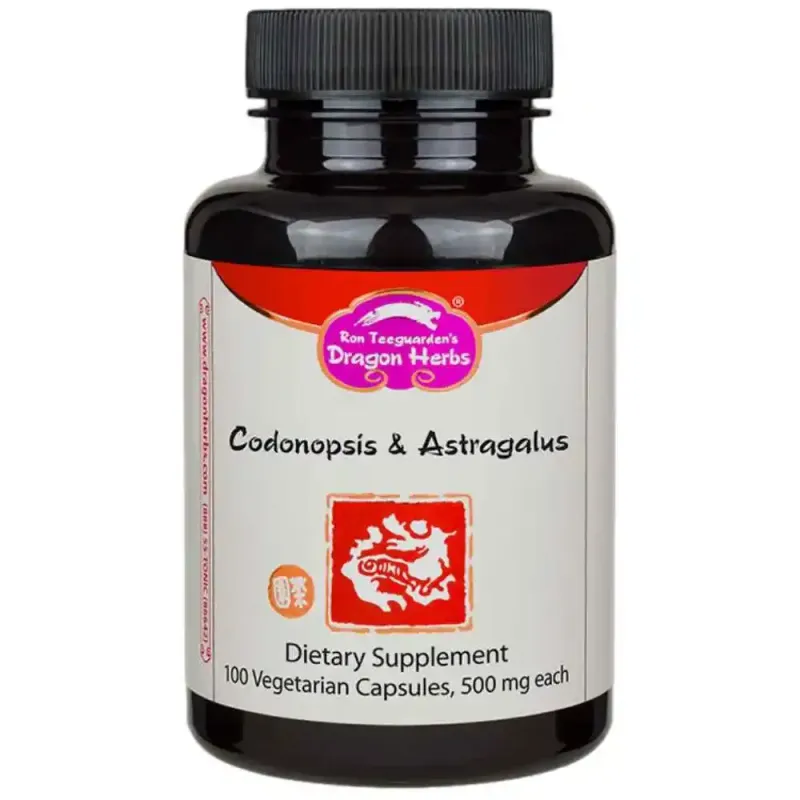
Dragon Herbs Codonopsis and Astragalus (100 Capsules)
Dragon Herbs Codonopsis and Astragalus (100 Capsules)
Powerful Qi tonic for energy, strength, and immune support.
SKU 2160
$29.00
Qi Regulating

Dragon Herbs Bupleurum & Cyperus (100 Capsules)
Dragon Herbs Bupleurum & Cyperus (100 Capsules)
Promote digestive balance and Qi circulation with Cyperus Formulation by Dragon Herbs. This time-tested herbal blend supports digestion, liver health, and energy flow for enhanced wellness.
SKU 2173
$29.00
Qi Tonic

Dragon Herbs Diamond Mind (100 Capsules)
Dragon Herbs Diamond Mind (100 Capsules)
A powerful blend of brain-enhancing herbs, designed to support mental clarity, focus, and overall vitality in today’s demanding world.
SKU 1974
$28.50
Qi Regulating

Dragon Herbs Easy Qi (100 Capsules)
Dragon Herbs Easy Qi (100 Capsules)
Promotes relaxation, supports Qi flow, and relieves tension in the back and neck.
SKU 2177
$27.99
Qi Tonic

Dragon Herbs Golden Air (100 Capsules)
Dragon Herbs Golden Air (100 Capsules)
Premium Lung Tonic with American Ginseng and Tibetan Rhodiola
SKU 2162
$23.00
Qi Tonic
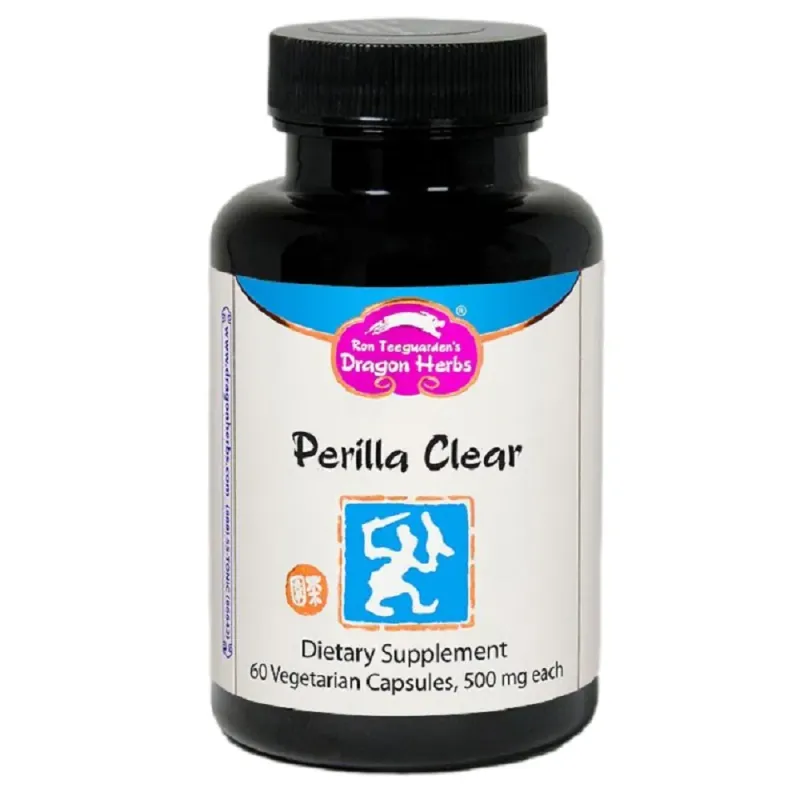
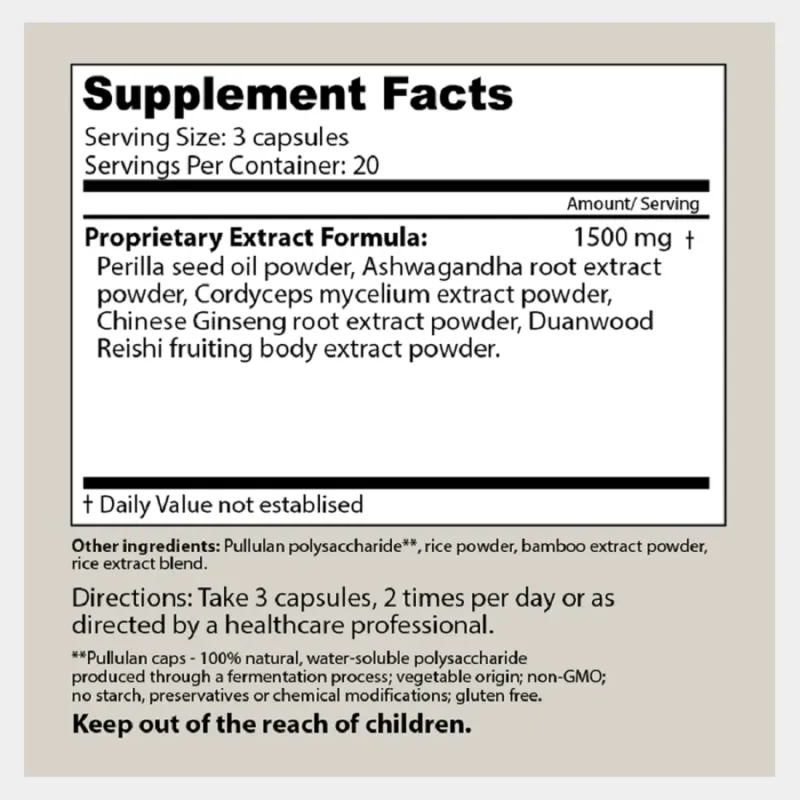
Dragon Herbs Perilla Clear (60 Capsules)
Dragon Herbs Perilla Clear (60 Capsules)
Designed to help you maintain clear, comfortable breathing while supporting a balanced immune response.
SKU 2263
$26.00
Qi Tonic

Dragon Herbs Ten Complete Supertonic (100 Capsules)
Dragon Herbs Ten Complete Supertonic (100 Capsules)
A classic formula for Qi, Blood, and immune support.
SKU 2133
$26.00
Qi Tonic
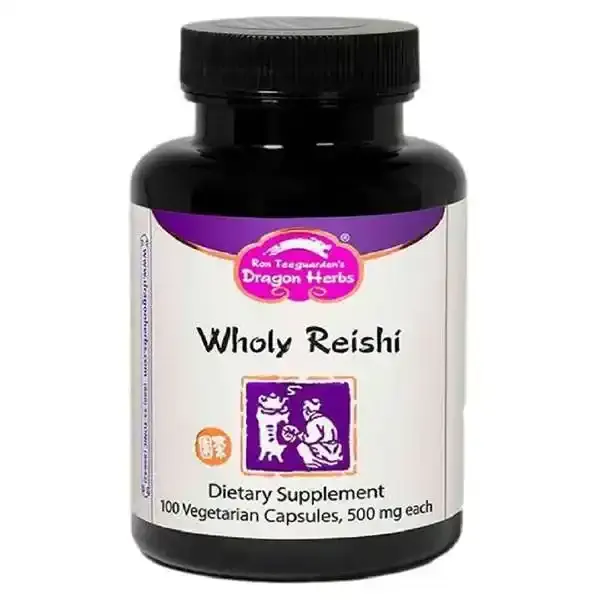
Dragon Herbs Wholy Reishi (100 Capsules)
Dragon Herbs Wholy Reishi (100 Capsules)
Dragon Herbs Wholy Reishi is a potent blend designed for profound foundational restoration, combining 50% Duanwood Reishi fruiting body extract with 50% cracked Reishi spores.
SKU 2201
$55.00