Thyroid & Metabolism
Shop By Health Concern
Thyroid & Metabolism
Thyroid function is a four-stage process, and support that ignores three of them tends to disappoint. Production is only the first step.
- Iodine from kelp
- Selenium
- Glandular formulas
- Cellular utilization
Four stages, not one
Thyroid hormone has to be produced, released, absorbed into cells, and then used inside them. A difficulty at any one of those stages produces similar-looking symptoms with entirely different causes.
Stage 1 & 2
Production and release
Making thyroxine draws on iodine, manganese, tyrosine, vitamin C and the B-complex. Releasing it depends on sympathetic nervous stimulation — which is why a depleted adrenal picture can slow this step even when raw materials are adequate.
Stage 3
Getting into the cell
Hormone in circulation still has to cross the cell membrane. Biounavailable calcium and magnesium stabilize membranes and reduce permeability, so uptake falls even when circulating levels look unremarkable.
Stage 4
Being used inside it
Once inside, thyroxine is converted and used in the mitochondria. Potassium participates in sensitizing mitochondria to thyroid hormone, and manganese is required for production upstream.
What the formulas here actually supply
Raw materials
Kelp supplies natural iodine, the substrate for hormone synthesis. Selenium participates in the conversion between hormone forms. These address stage one, and they are the reasonable starting point when intake has genuinely been low.
Glandular and metabolic support
Thyro Complex and the SBF formulas combine glandular concentrates with the cofactors involved across several stages, and they are typically matched to metabolic type rather than taken universally.
Why calcium and potassium appear on a thyroid chart
In this framework the hair calcium level is read as an approximate indicator of thyroid effect, because thyroid hormone lowers calcium in the body. A higher tissue calcium generally corresponds to lower effective activity — not because calcium is the problem, but because it reflects what the hormone is managing to do.
Tissue potassium matters for the same reason. Low potassium is associated with reduced sensitivity of the mitochondrial receptors, so hormone can be present, absorbed, and still underused. This is why a thyroid conversation in nutritional balancing spends so much time on minerals that are not iodine.
A note on testing. Blood work and hair tissue mineral analysis answer genuinely different questions here and belong together. Serum testing measures circulating hormone and pituitary signaling; a hair tissue mineral analysis reflects the mineral conditions that govern uptake and utilization at the cellular level. Neither replaces the other. Any thyroid concern deserves a conversation with your healthcare provider, and nothing here is a substitute for that.
When the labs are normal and you still feel it — Eileen Durfee
This is the single most common story I hear in this category, and it is worth explaining rather than dismissing. Someone has had thyroid blood work done, been told it is normal, and still has every symptom they walked in with.
The physiology explains it. Serum testing measures what is circulating and what the pituitary is signalling. It does not describe whether that hormone is crossing into cells or being used once it arrives. Biounavailable calcium and magnesium make cell membranes less permeable, so uptake drops while circulating levels stay unremarkable. Low tissue potassium leaves the mitochondrial receptors less sensitive, so even hormone that gets in may go underused.
The other thread I follow is manganese, because it is required for hormone production and it becomes biounavailable when the adrenals are depleted — the binding protein simply is not made in sufficient quantity. So an adrenal picture quietly becomes a thyroid picture, which is why I rarely treat these as separate projects.
None of this means a blood test was wrong or that anyone missed something. It means the two tests describe different parts of the same system, and I would rather have both in front of me than argue about which one counts.
Where to start
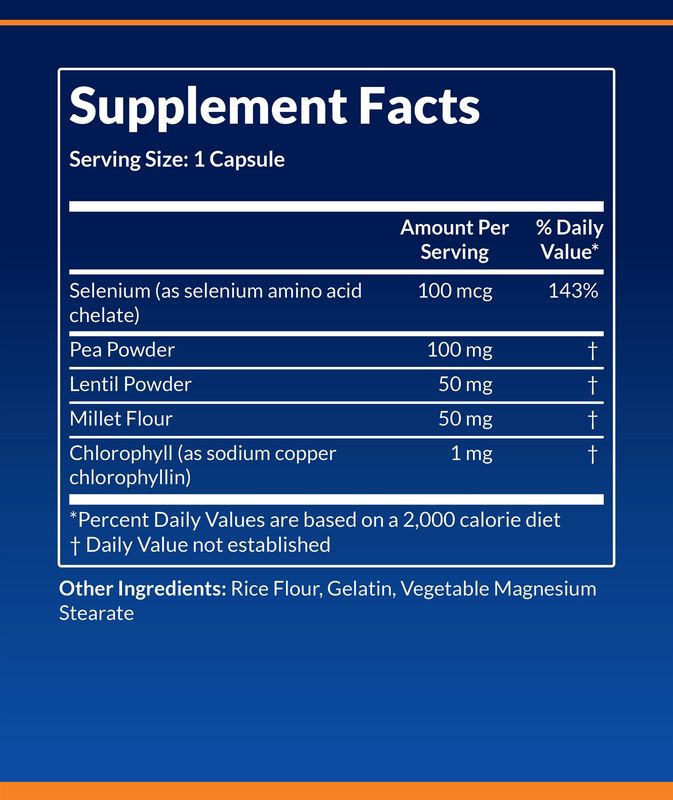
Endo-met Kelp (180 Capsules)Natural iodine from Ascophyllum nodosum, a nutrient-dense North Atlantic seaweed. Endo-met Thyro Complex (180 Capsules)Freeze-dried thyroid, adrenal, pituitary and spleen glandulars with kelp iodine. Endo-met Selenium (180 Capsules)Naturally chelated selenium, involved in thyroid hormone conversion. Endo-met SBF Formula (180 Tablets)Minerals, vitamins and glandular concentrates for extreme slow oxidation patterns. Trace Elements Manganese Plus II (90 Tablets)Manganese bisglycinate and aspartate with vitamin B1 — manganese is required for T4 production. Progressive Laboratories Poligugul Complex (90 Capsules)Gugulipid, policosanol and tocotrienols, traditionally used for lipid and thyroid support.
Common questions
My thyroid blood work is normal but I still have symptoms. What now?
Serum testing describes circulating hormone and pituitary signaling; it does not describe whether that hormone is entering cells or being used inside them. A hair tissue mineral analysis reflects the mineral conditions governing those steps. The two are complementary, and both are worth discussing with your healthcare provider.
Should I take iodine?
Iodine is the substrate for hormone production, so it matters — but it is only stage one of four, and more iodine does not help when the limitation is uptake or utilization. Anyone with a diagnosed thyroid condition should discuss iodine with their provider before adding it.
Why is selenium in a thyroid formula?
Selenium participates in the conversion between thyroid hormone forms, which is why it appears alongside iodine rather than as a separate concern. It also supports antioxidant defense and detoxification.
What does manganese have to do with the thyroid?
Manganese is required for producing thyroxine. It also becomes biounavailable when adrenal function is depleted, because the protein that carries it is not produced in sufficient quantity — one of several reasons adrenal and thyroid pictures tend to travel together.
Can I take these alongside prescribed thyroid medication?
That is a question for the provider managing your prescription, and it is worth asking rather than assuming. Bring the specific formulas with you so they can account for iodine content and timing.
Production, uptake, or utilization?
The three look alike from the outside and need different support. A hair tissue mineral analysis shows the mineral conditions behind uptake and utilization, alongside your toxic element exposure.
These statements have not been evaluated by the Food and Drug Administration. These products are not intended to diagnose, treat, cure, or prevent any disease. Wellness Shopping Online is operated by Nuco Enterprise Solutions LLC. Your healthcare provider can help you shape a program that fits your individual situation.
التحسين حسب
Slow Oxidizer
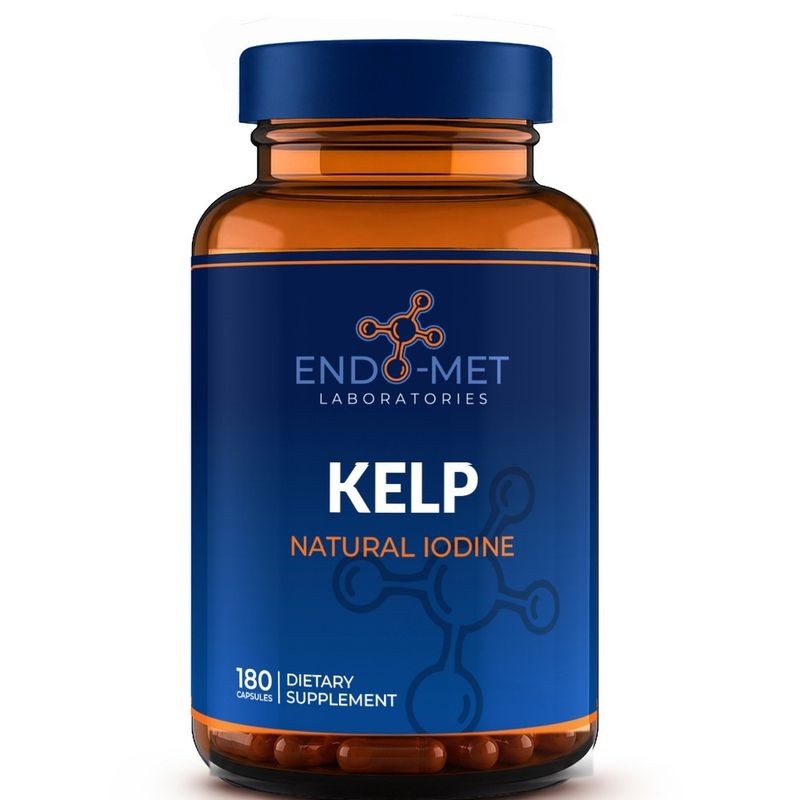
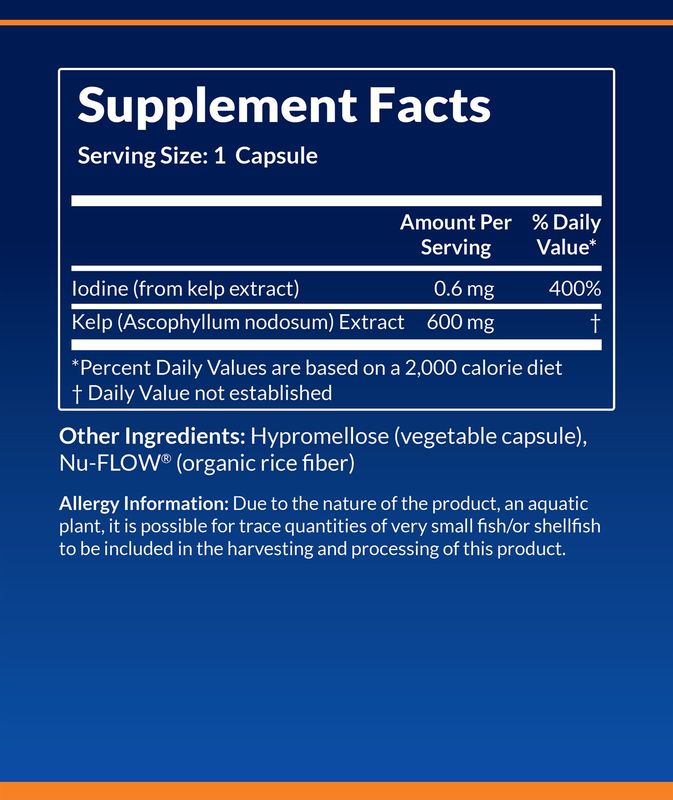
(معامل إندوميت-أعشاب كيلب (180 كبسولة
(معامل إندوميت-أعشاب كيلب (180 كبسولة
Extended Iodine Support from Premium North Atlantic Kelp
SKU 1204
$27.00
Slow Oxidizer
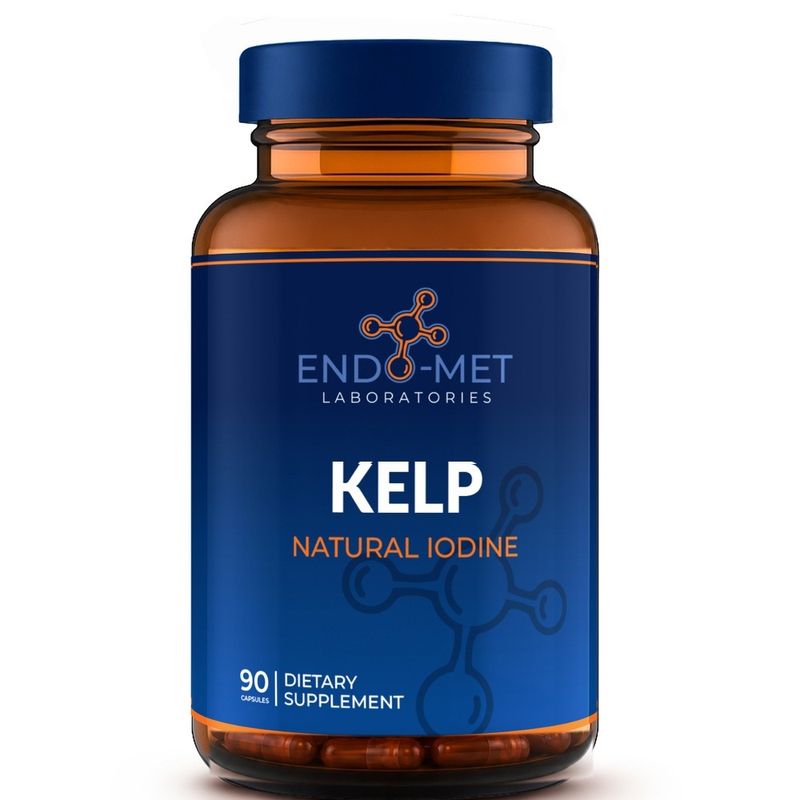
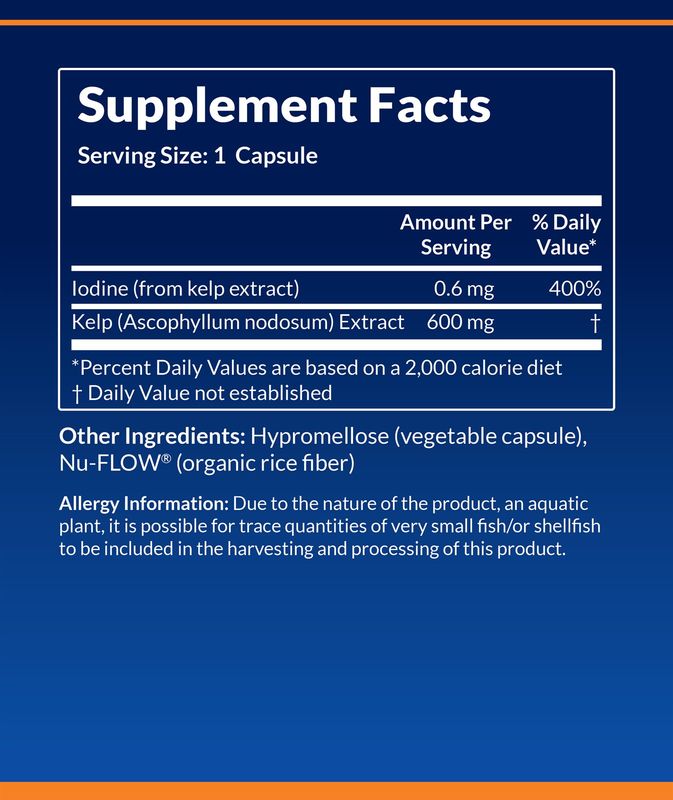
(معامل إندوميت-أعشاب كيلب (90 كبسولة
(معامل إندوميت-أعشاب كيلب (90 كبسولة
Natural Iodine Support with Premium Kelp for Thyroid and Wellness
SKU 1203
$14.00
Slow Oxidizer
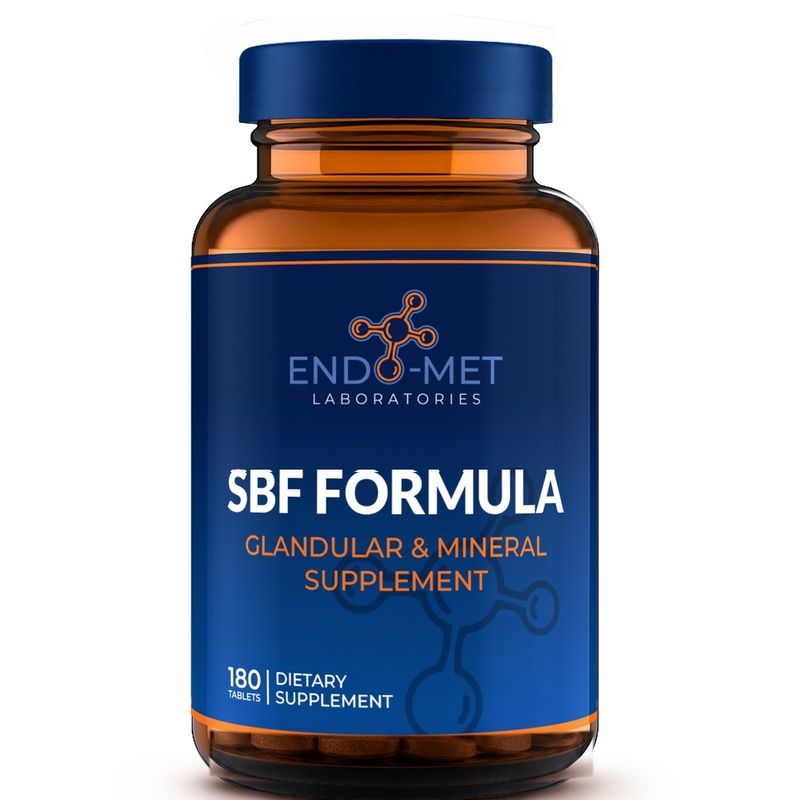
(معامل إندوميت-التركيبة الغذائية الشاملة (180 قرص
(معامل إندوميت-التركيبة الغذائية الشاملة (180 قرص
A blend of minerals, vitamins, and glandular extracts to boost energy and detoxification, ideal for slow oxidizers and adrenal fatigue.
SKU 1070
$55.00
Slow Oxidizer
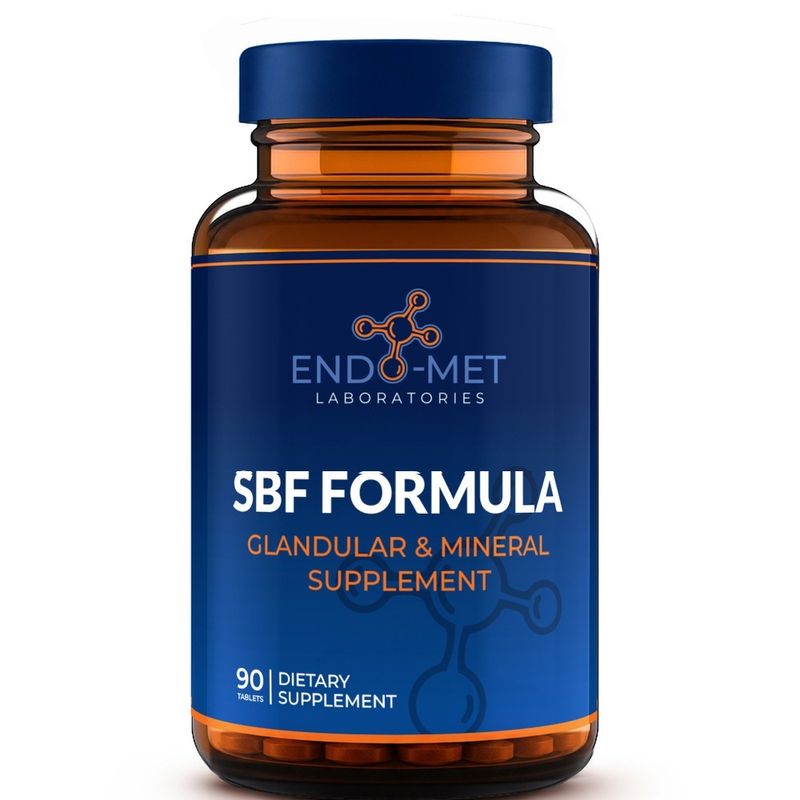
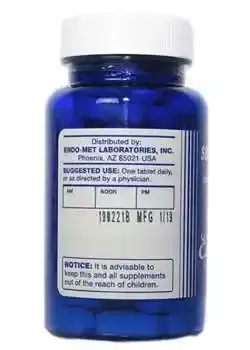
(معامل إندوميت-التركيبة الغذائية الشاملة (90 قرص
(معامل إندوميت-التركيبة الغذائية الشاملة (90 قرص
Targeted Nutrients for Boosting Cellular Energy and Enhancing Heavy Metal Detoxification – Ideal for Adrenal Burnout Recovery
SKU 1069
$28.00
All Oxidation Types
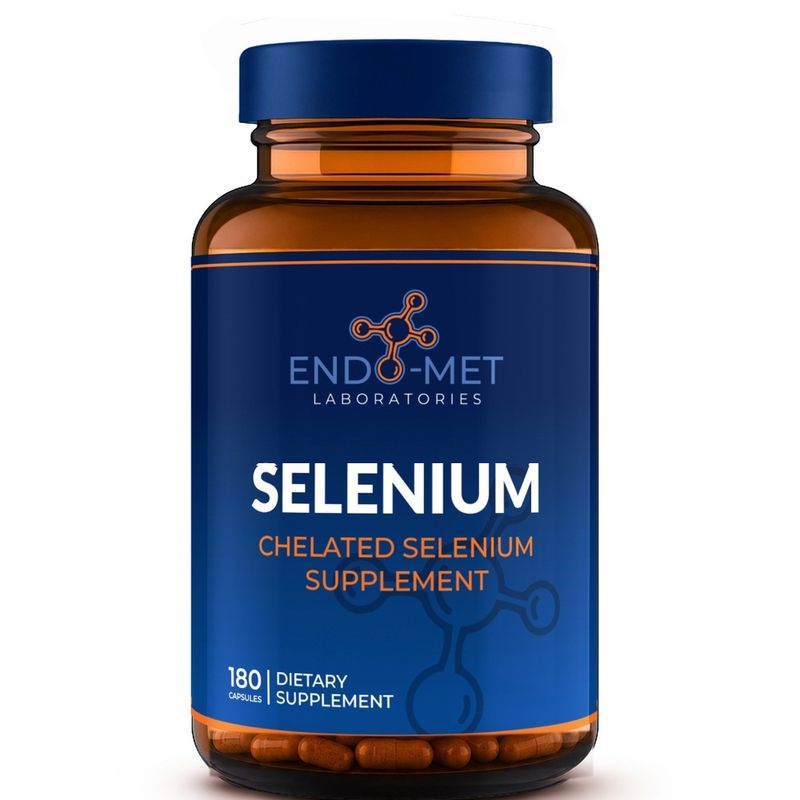
(معامل إندوميت-تركيبة السيلينيوم (180 كبسولة
(معامل إندوميت-تركيبة السيلينيوم (180 كبسولة
Extended Support with Naturally Chelated Selenium for Detox and Thyroid Health
SKU 1086
$35.00
All Oxidation Types
(معامل إندوميت-تركيبة السيلينيوم الغذائية (90 كبسولة
(معامل إندوميت-تركيبة السيلينيوم الغذائية (90 كبسولة
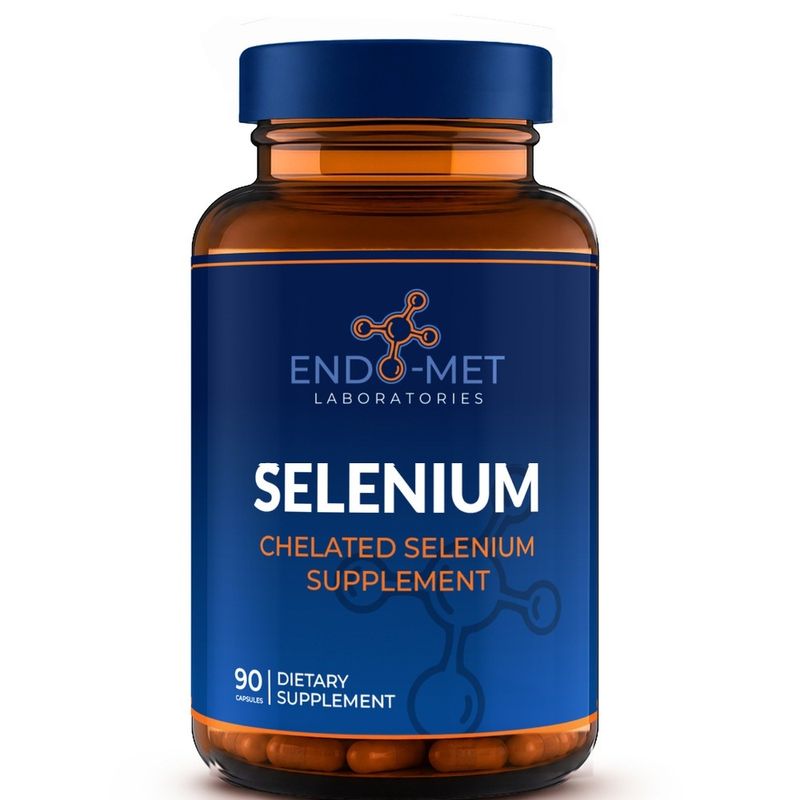
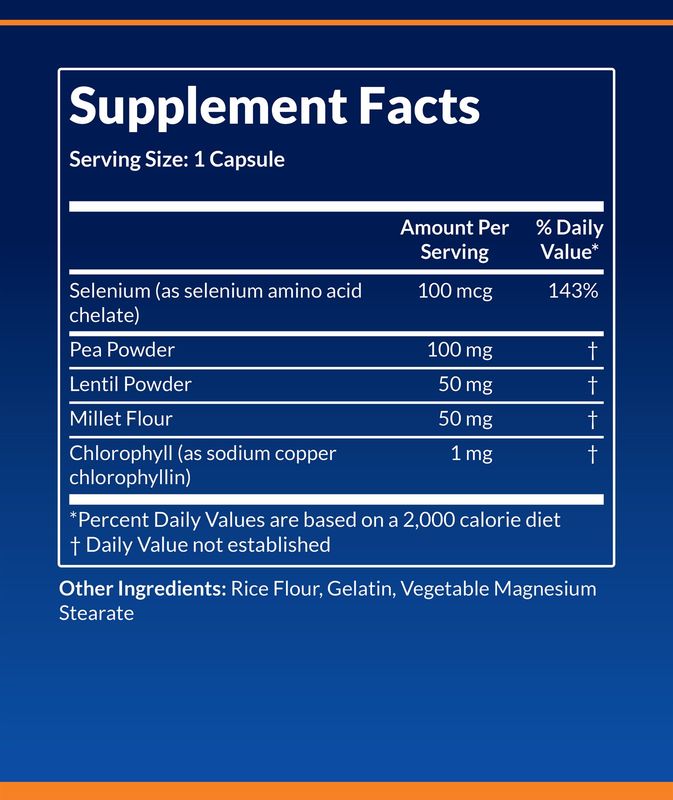
Naturally Chelated Selenium for Heavy Metal Detox & Thyroid Health
SKU 1085
$18.00
Slow Oxidizer
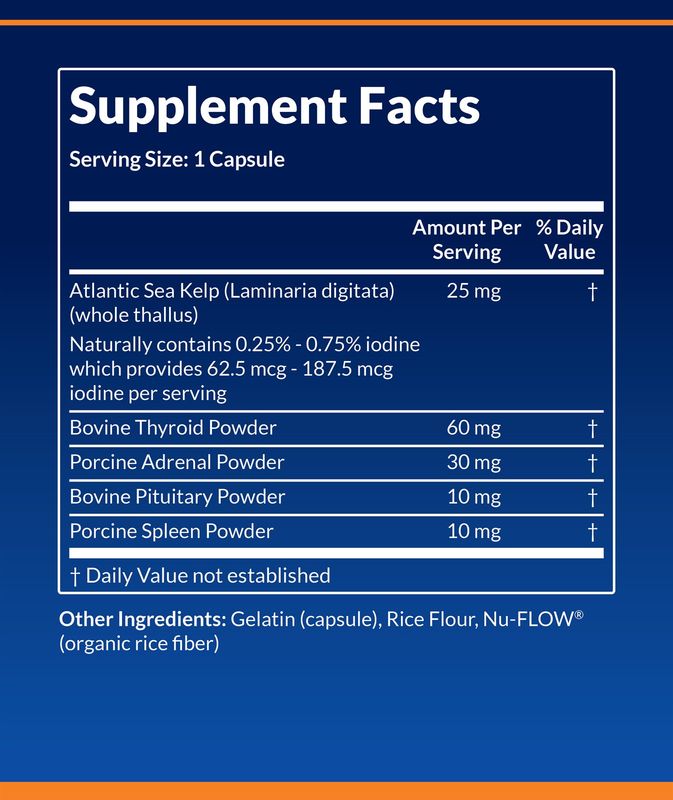
(معامل إندوميت-تركيبة ثايرو كومبلكس (180 كبسولة
(معامل إندوميت-تركيبة ثايرو كومبلكس (180 كبسولة
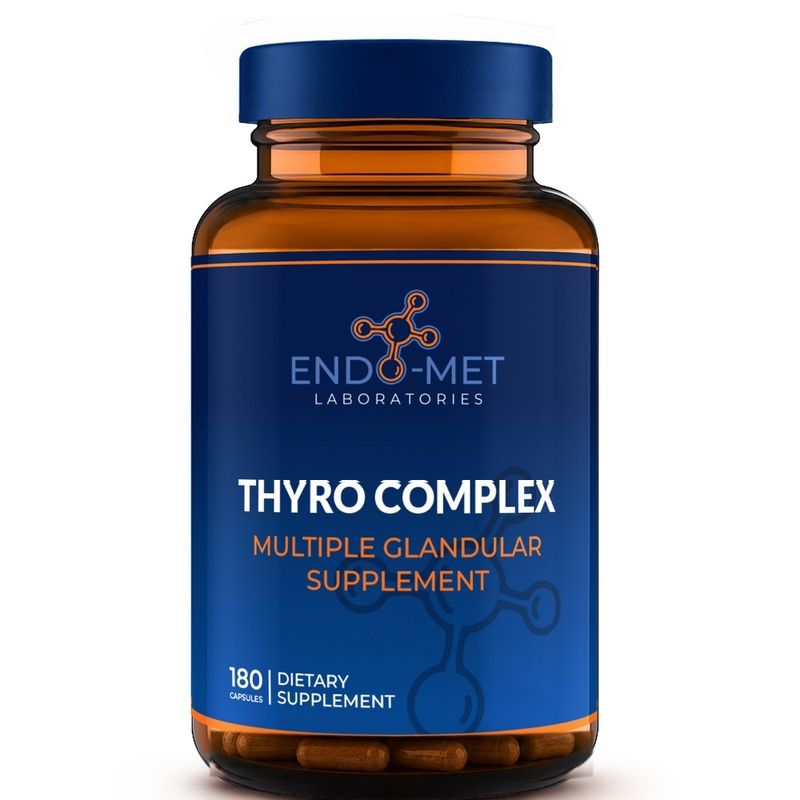
A comprehensive glandular supplement with thyroid, adrenal, pituitary, and spleen extracts to support thyroid health and balance.
SKU 1078
$51.00
Slow Oxidizer
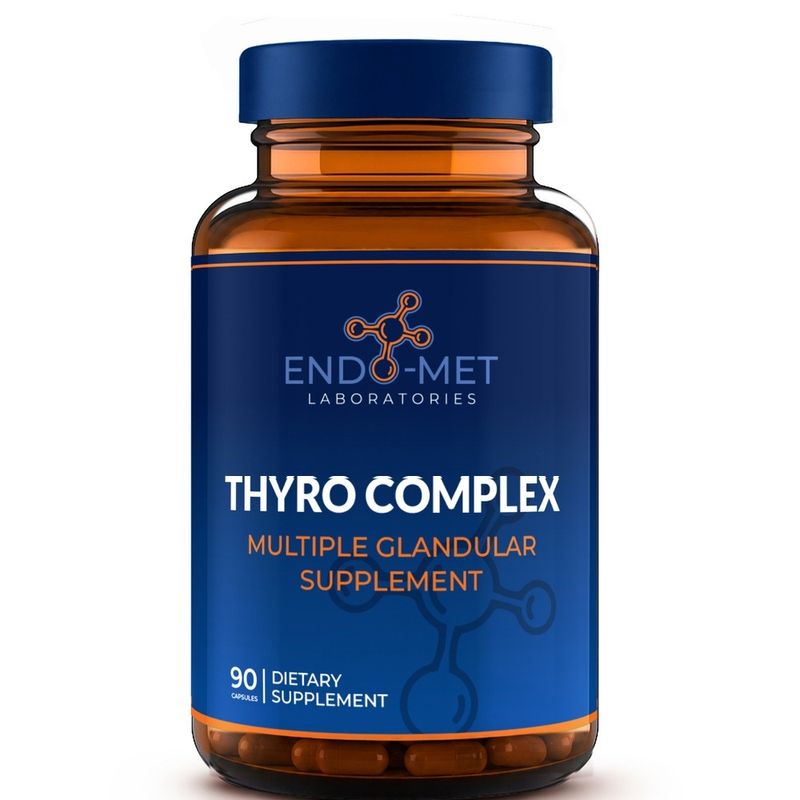
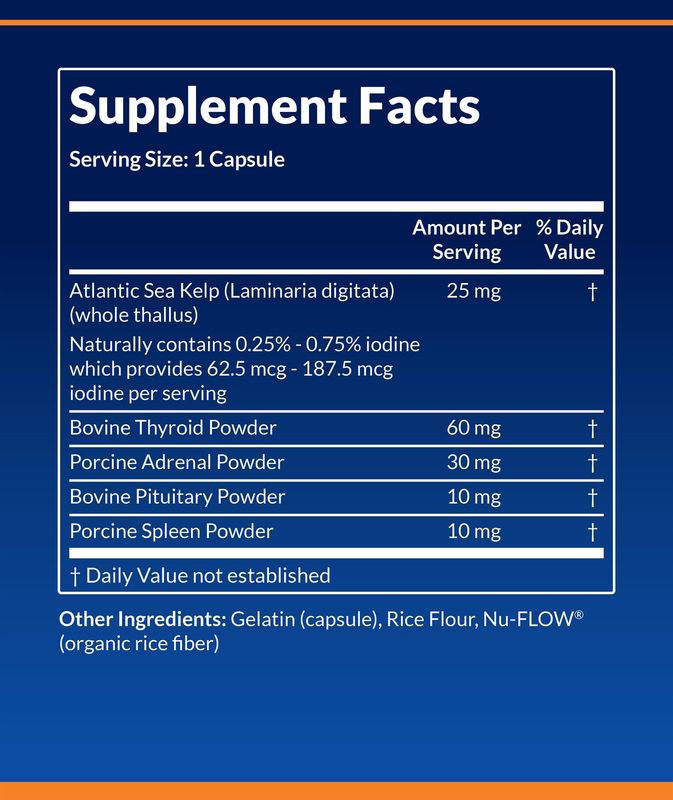
(معامل إندوميت-تركيبة ثايرو كومبلكس (90 كبسولة
(معامل إندوميت-تركيبة ثايرو كومبلكس (90 كبسولة
A comprehensive glandular formula designed to support healthy thyroid function and endocrine balance with iodine from kelp and glandular extracts.
SKU 1077
$26.00
Raise Na/K
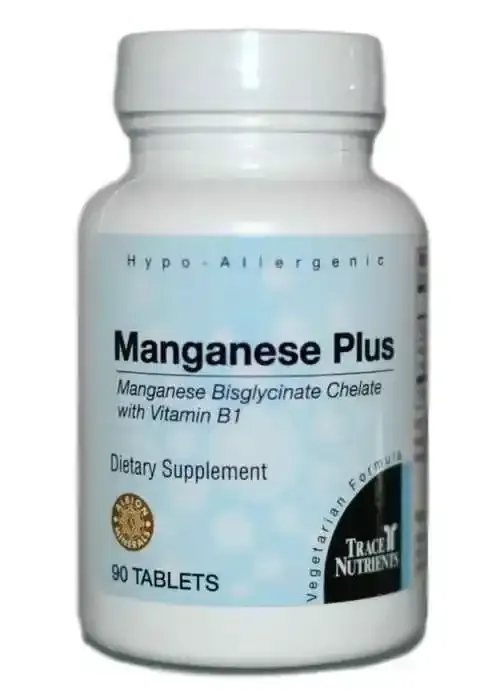
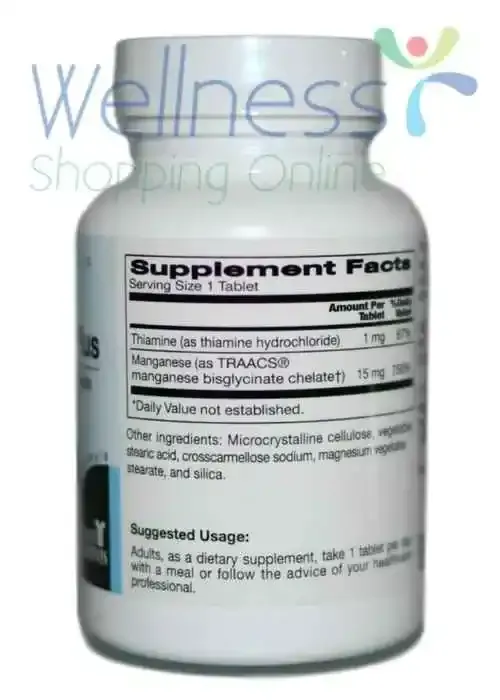
Trace Elements Manganese Plus II (90 Tablets)
Trace Elements Manganese Plus II (90 Tablets)
A hypoallergenic blend of manganese bisglycinate and aspartate with Vitamin B1 for enhanced bone health, enzyme function, and antioxidant support.
SKU 1371
$10.80
Heart & Circulation
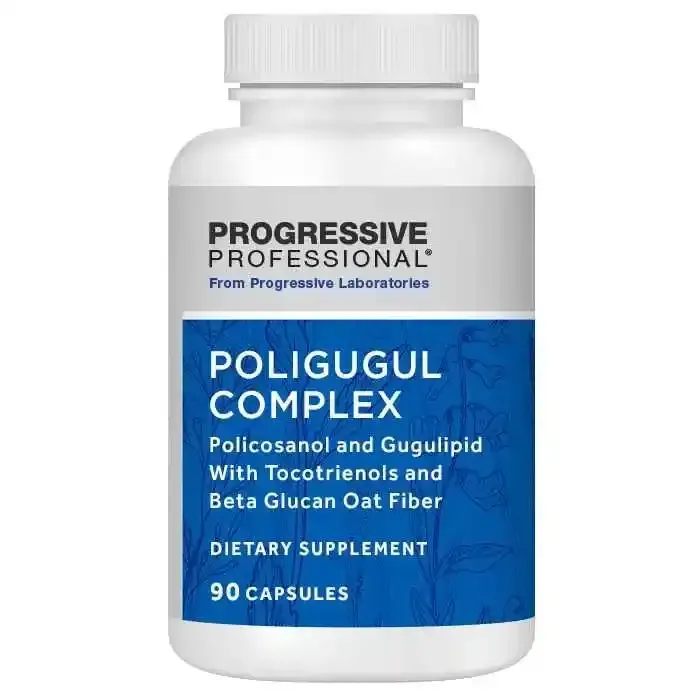
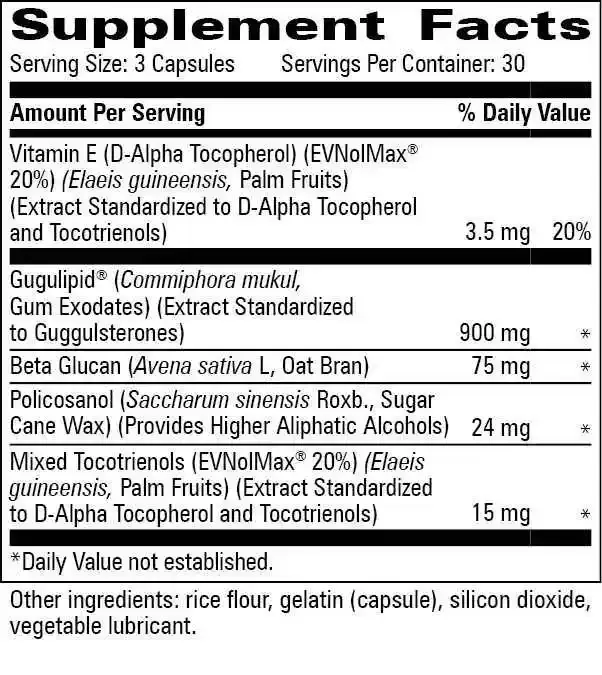
Progressive Laboratories Poligugul Complex (90 Capsules)
Progressive Laboratories Poligugul Complex (90 Capsules)
Comprehensive Cardiovascular, Thyroid, and Joint Support with Clinically-Studied Nutrients for Heart Health, Cholesterol Management, and Arthritis Relief
SKU 2181
$42.00
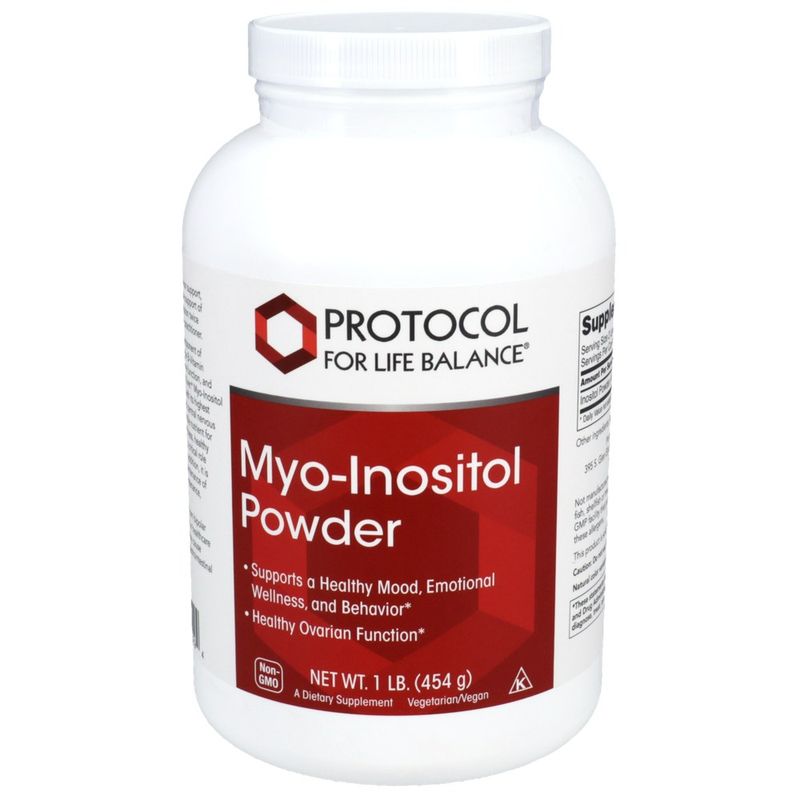
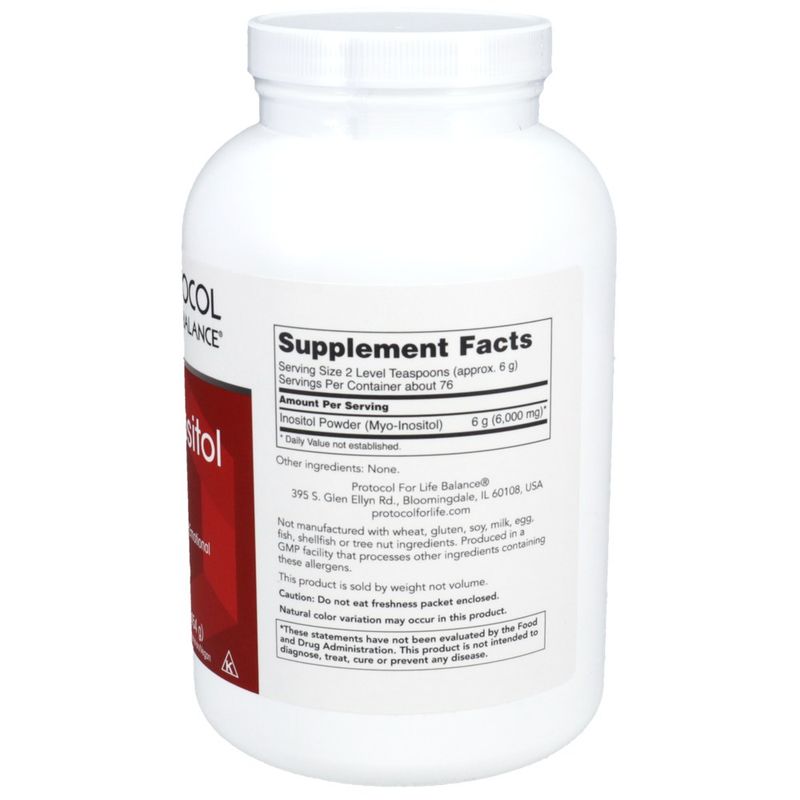
Protocol for Life Balance Myo-Inositol Powder (1 lb)
Protocol for Life Balance Myo-Inositol Powder (1 lb)
Pure myo-inositol powder - 6,000 mg per serving for mood, ovarian and blood sugar support*
SKU 2360
$62.00