Hair Analysis: Arthritis
Unlocking Better Health: What Hair Analysis Shows About Your Mineral Patterns
Having your hair analyzed through a Hair Analysis test can be a transformative step toward improving your overall health, increasing your energy levels, and feeling your best every day. Beyond simply boosting vitality, this innovative testing method provides valuable insights into your body's internal balance, giving you and your practitioner a longer-term view of your mineral status. Many people exploring joint comfort use it as the starting point for a nutritional balancing program, alongside the care of their healthcare provider.
What is Hair Analysis and How Does It Work?
Hair Analysis is a non-invasive laboratory test that examines a small sample of hair to assess mineral and metal levels within your body. Unlike blood tests, which reflect short-term states, hair analysis offers a long-term view of mineral accumulation and depletion over several months. This means it can reveal chronic deficiencies or toxic exposures that might otherwise go unnoticed.
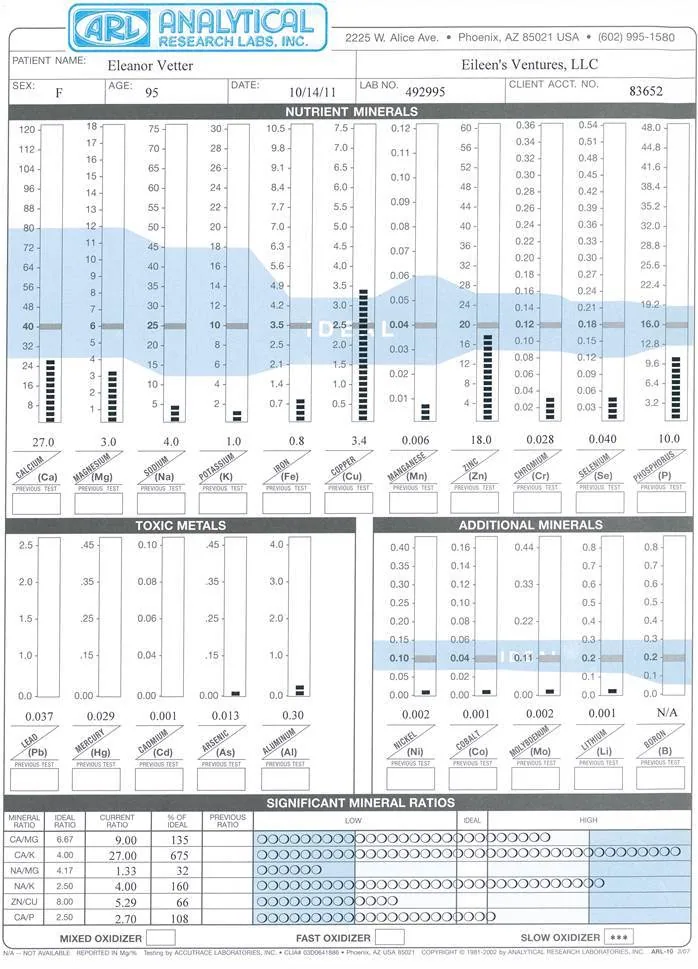
When performing a Hair Analysis, laboratories measure various minerals, including calcium, magnesium, zinc, copper, and iron, as well as toxic metals like mercury, lead, cadmium, and arsenic. The results are then interpreted to understand the body's mineral ratios, oxidation rate (metabolic speed), and toxic metal burden.
Why Minerals Matter in Arthritis and Overall Health
Minerals play a crucial role in maintaining joint integrity, reducing inflammation, and supporting the immune system. An imbalance—whether deficiencies or excesses—can contribute to the development or worsening of arthritis symptoms. For example:
Calcium and Magnesium: Essential for bone health and joint function. Deficiencies can weaken bones and cartilage, increasing susceptibility to arthritis.
Zinc and Copper: Vital for immune regulation and tissue repair. Imbalances may lead to inflammation or delayed healing.
Toxic Metals: Heavy metals like mercury and lead can interfere with mineral metabolism, cause oxidative stress, and promote tissue degeneration.
When these minerals are out of balance, they can contribute to joint inflammation, stiffness, and pain characteristic of arthritis. Knowing where your mineral levels sit allows for targeted nutritional support as part of a broader plan.
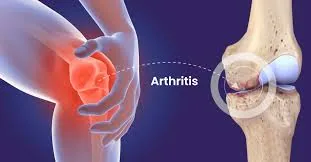
Understanding Oxidation Rate and Its Role in Arthritis
One of the key insights provided by Hair Analysis is the oxidation rate, also known as metabolic rate. This indicates how quickly your body processes nutrients and eliminates waste. A slow oxidation rate often correlates with sluggish metabolism, which can lead to the buildup of toxins and improper mineral utilization.
In the context of arthritis, a slowed metabolism can result in inadequate repair of joint tissues and increased inflammation. Conversely, a faster oxidation rate may signal an over-accelerated metabolism, which can deplete vital nutrients necessary for joint health. Balancing this rate through dietary adjustments and supplementation is a cornerstone of Nutritional Balancing Science.
Recognizing Mineral Ratios and Their Impact on Joint Health
Beyond individual mineral levels, the ratios between minerals are critical. For example:
Calcium to Magnesium Ratio: An imbalance may cause muscle cramps, stiffness, and joint pain.
Copper to Zinc Ratio: Excess copper relative to zinc can promote inflammation and oxidative stress.
Potassium to Sodium Ratios: Disruptions here can influence fluid retention and swelling in joints.
By analyzing these ratios, practitioners can pinpoint specific mineral dysregulations that contribute to arthritic symptoms and develop personalized correction plans.
What the Patterns Can and Cannot Tell You
Hair analysis shows mineral patterns and trends over several months. That is useful context for building a nutritional program, but it is important to be clear about what it is not: it does not diagnose arthritis or any other condition, it does not predict whether you will develop one, and it is not a substitute for the tests and examination your healthcare provider uses.
For individuals at risk of developing arthritis—perhaps due to family history, lifestyle factors, or existing minor symptoms—nutritional balancing programs can be implemented proactively. These programs focus on correcting mineral imbalances and supporting nutritional status generally.
The Role of Toxic Metals in Joint Degeneration
Toxic metals such as mercury, lead, cadmium, and arsenic are insidious contributors to joint deterioration. They can:
- Disrupt mineral metabolism
- Cause oxidative damage to joint tissues
- Trigger inflammatory responses
Often, these metals are stored in the body's tissues and only mobilized under certain conditions. Hair Analysis can detect their presence, providing a snapshot of your body's toxic burden. When toxic metals are identified, detoxification strategies—aligned with Nutritional Balancing Science—can be employed to gradually eliminate these harmful substances.
Implementing a Nutritional Balancing Program
Once hair analysis results are obtained, a comprehensive Nutritional Balancing Program can be tailored to your specific needs. This approach typically includes:
- Targeted Nutritional Supplements: To correct mineral deficiencies and excesses.
- Dietary Modifications: Emphasizing nutrient-rich, anti-inflammatory foods.
- Detoxification Protocols: To aid in the removal of heavy metals and other toxins.
- Lifestyle Recommendations: Including stress reduction, exercise, and adequate hydration.
Together these focus on restoring mineral balance and supporting general nutritional health.
Why Retesting is Important
Nutritional imbalances and toxic metal burdens can change over time, especially with lifestyle adjustments and ongoing treatment. Therefore, periodic Hair Analysis retests are vital to monitor progress, verify the effectiveness of interventions, and make necessary adjustments. Regular retesting ensures that your program remains aligned with your evolving health status.
Taking Action Today
If you're experiencing joint pain, stiffness, or other early signs of arthritis, or if you're simply interested in proactive health maintenance, consider getting a Hair Analysis test. It can reveal mineral deficiencies, excesses and toxic-metal exposure that are worth discussing with your practitioner. Armed with this knowledge, you can pursue a personalized Nutritional Balancing Program designed around your own mineral pattern.
Invest in your health today—buy your Hair Analysis test and start your journey toward optimal wellness.
Disclaimer: This material is for educational purposes only. The statements made have not been evaluated by the Food and Drug Administration. This information is not intended to diagnose, treat, cure, or prevent any disease. Always consult with a qualified healthcare professional before starting any new health program or treatment.